NAIROBI, Kenya, Aug 31 – Kenya and the United States are exploring ways to strengthen agricultural extension services by linking universities more closely with farmers, as both sides seek to improve productivity, technology transfer and market access.
The discussions bring together the US National Association of State Departments of Agriculture (NASDA), Kenyan public universities and agriculture stakeholders including Rootooba, with a proposed study expected to assess how Kenya can rebuild a more coordinated extension system.
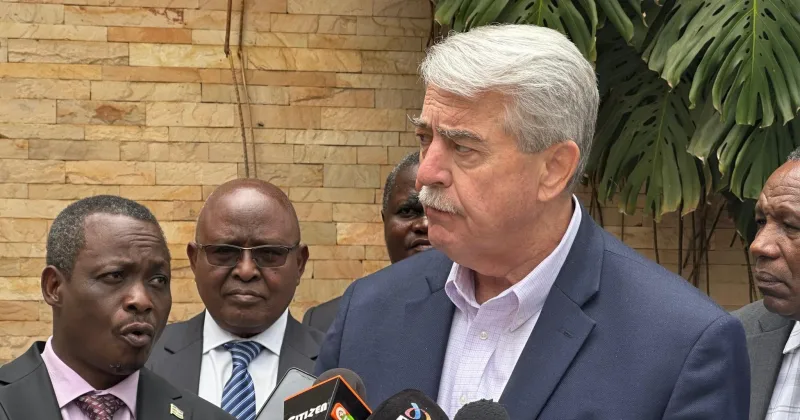
Doug Miyamoto, Director of the Wyoming Department of Agriculture, said the US university-based extension model could help move research and technical knowledge from academic institutions to farmers.
“We believe that extension can provide a vehicle to get that great technical information that you have out to your farmers and ranchers.”
He said the US also sees opportunities to expand agricultural trade with Kenya, particularly in animal feed, while supporting greater access for Kenyan products such as coffee and cut flowers in the American market.
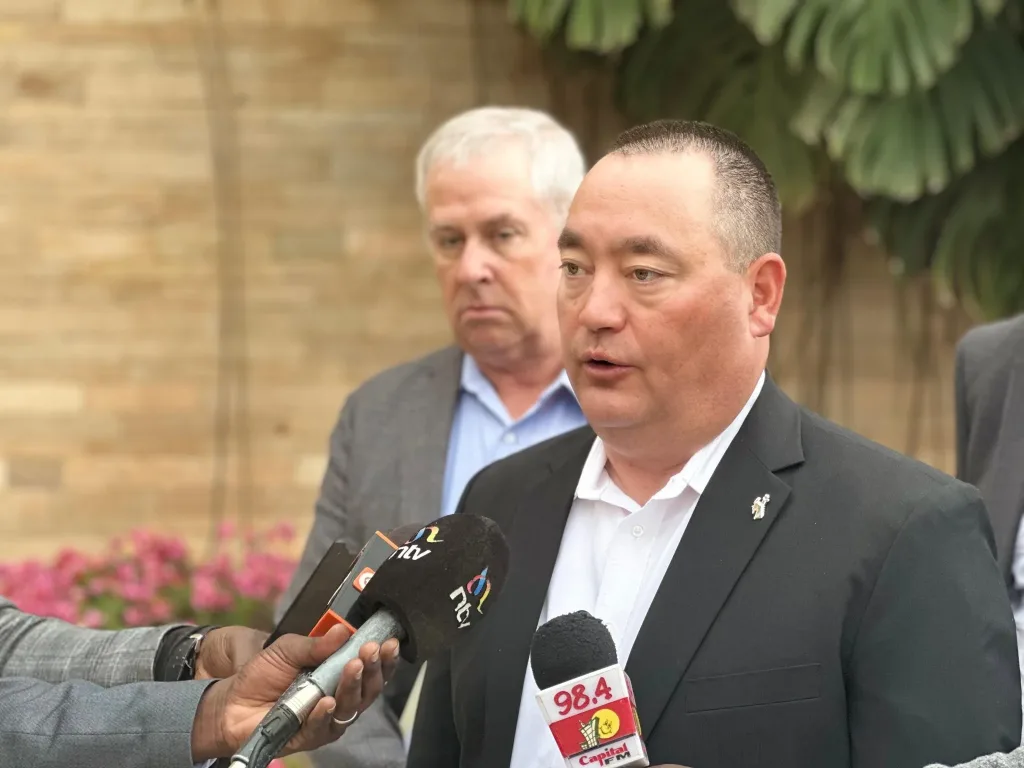
He said universities could play a greater role by adapting lessons from the US land-grant university system, where research, teaching and extension services are closely connected.
Professor Daniel Mugendi, chairman of the Vice-Chancellors’ Committee and Vice-Chancellor of the University of Embu, said Kenya’s extension system had weakened despite agriculture remaining a major pillar of the economy.
Kenya had a relatively strong agricultural extension system in previous decades, but coordination has since weakened, creating gaps in the delivery of research and technology to farmers.
NASDA chief executive Ted McKinney said the organisations had identified Kenya as a priority country for engagement in Africa, citing similarities in the two countries’ agricultural sectors.
“We’re here not to tell Kenya what to do. That’s not our business. But maybe there’s something that we can provide from our own rich experience with a robust extension system.”
McKinney said NASDA had committed modest funding, estimated at between $100,000 and $200,000, to an initial study involving universities, government, farmers and food processors. The findings are expected to inform further consultations before any larger intervention is considered.
The partnership could also open opportunities for increased US agricultural exports, including soybean meal, distillers’ grains and sorghum, particularly amid concerns over Kenya’s reduced maize production.
However, McKinney stressed that decisions on imports and the direction of Kenya’s agricultural policy would remain with Kenyan authorities.