NAIROBI, Kenya, Feb 17 – The Departmental Committee on Finance and National Planning, jointly with the Select Committee on Public Debt and Privatization, has kicked off hearings on the National Infrastructure Fund Bill, 2026.
The Bill was formally introduced in the National Assembly on February 12, paving the way for the Finance Committee to commence public participation on the proposed law.
If enacted, the proposed legislation will require proceeds from the privatization or sale of government assets to be deposited into a dedicated account, where the funds will be ring-fenced for viable national projects such as airports and dams, and spent strictly for their intended purposes.
According to the Bill’s Memorandum of Objects and Reasons, the Fund seeks to scale up and accelerate the development of catalytic national infrastructure, mobilize private capital and non-traditional sources of infrastructure financing, and reduce reliance on public debt for commercially viable infrastructure investments.
The Fund would be managed by a Board of Directors mandated to develop a five-year investment policy.
Additionally, the Bill proposes that sources of funding will include proceeds from the privatization and disposal of government assets, as well as monies appropriated by Parliament.
The Kimani-led Committee has already conducted public hearings on the Bill in Homa Bay, Mombasa, Kilifi and Kwale counties, alongside discussions on the proposed divestiture of government shares in Safaricom PLC.
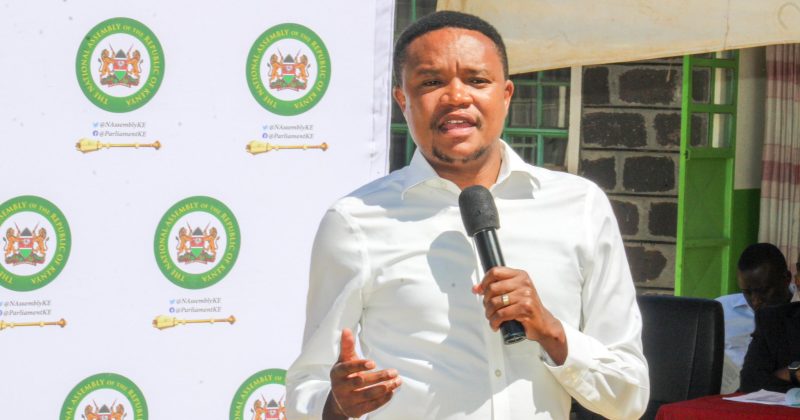
Speaking after concluding hearings on the proposed offloading of 15 per cent of the government’s stake in Safaricom PLC, Departmental Committee on Finance and National Planning Chairperson Kuria Kimani pledged that public views would shape the Committee’s report to the House.
“We are delighted that across the 30 counties we have visited, members of the public have come out to candidly give their views on what direction they wish the Safaricom divestiture process to take. Your views are not in vain and they will enrich our report to the House,” said the Molo MP.
A key issue emerging from public hearings and stakeholder engagements was the prudent use of proceeds should the transaction proceed.
Members of the public urged the Committee to establish a clear framework before approving the transaction to ensure that proceeds are directed toward critical national infrastructure, as initially intended.
They cautioned that channeling the funds to the Consolidated Fund could make it difficult to track their use and increase the risk of misallocation or misappropriation.
“I support this move since accelerated infrastructure development will not occasion an increase in taxes or lead to higher borrowing. However, we do not want the proceeds directed to the Consolidated Fund, as there will be no way to ascertain how the funds were used,” said Charles Nyaga during a session in Embu County.
Amos Lekitap, a boda boda rider from Maralal, warned of potential risks if safeguards are not put in place.
“We have been losing a lot of money to corruption. If we don’t find ways of sealing the leakage gaps, even these proceeds will not yield much. You also need to come back and tell us how you appropriated the proceeds of the sale and its impact,” he told lawmakers.