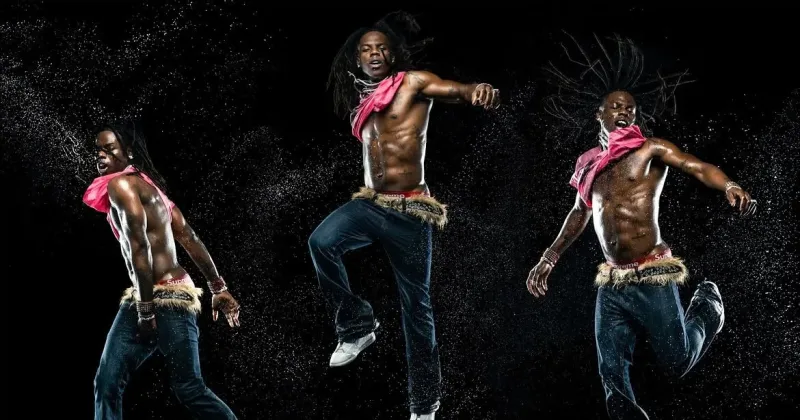
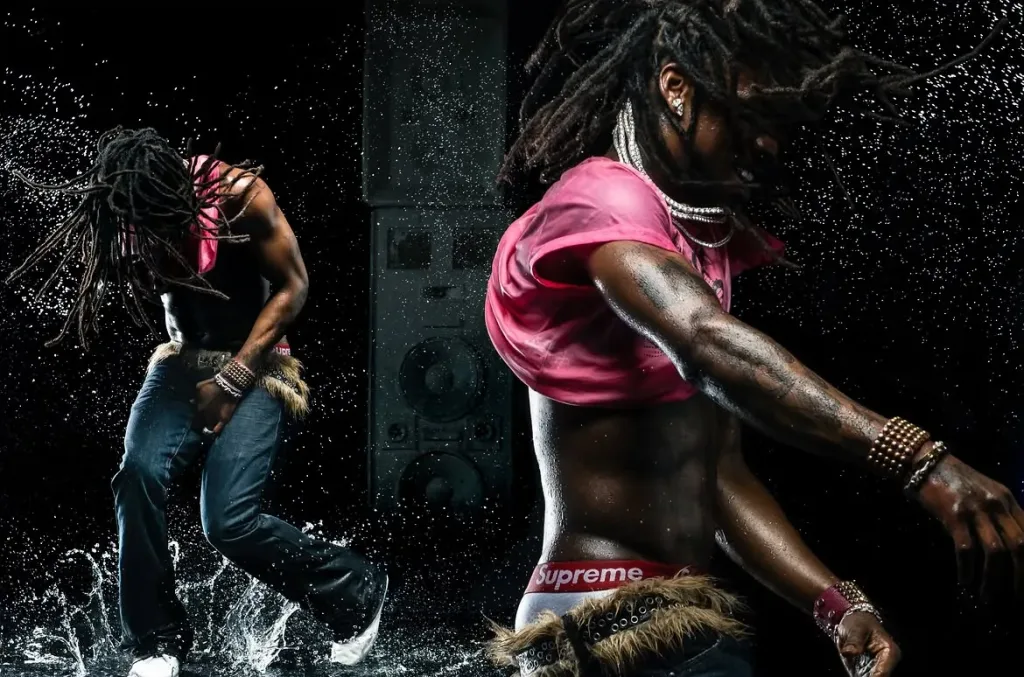
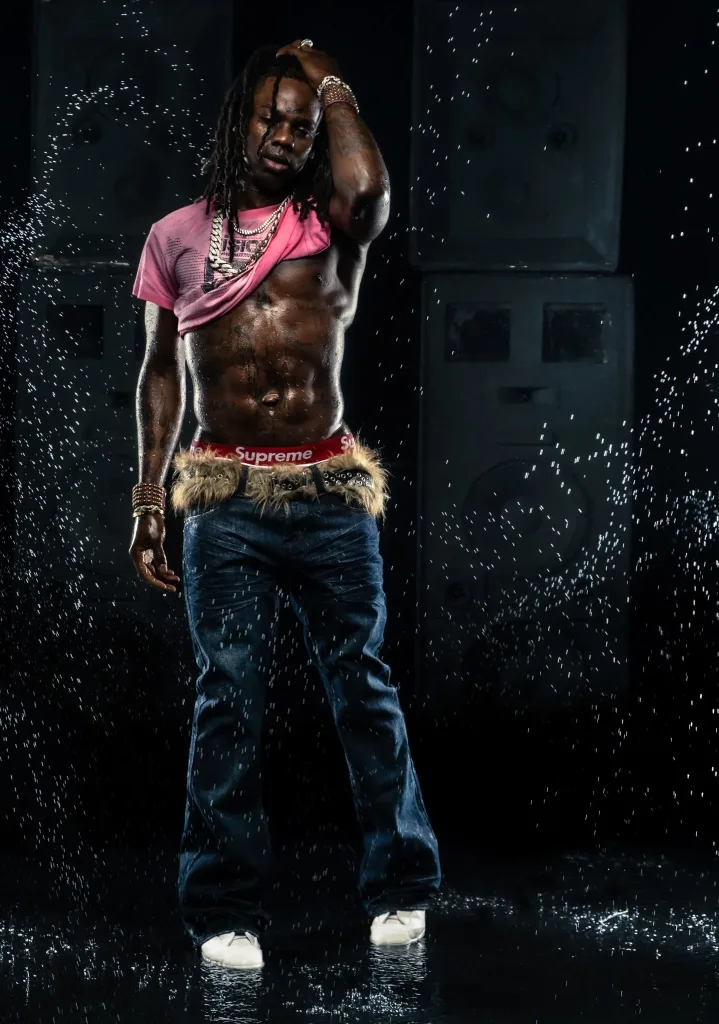
In the carefully polished universe of contemporary Afro-beats, few artists dare to disrupt the status quo quite like Rema. Enter a dark, water-drenched studio: crop-top rolled up, low-slung fur-trimmed denim riding low, and a stare locked dead-center at the camera. In a record less than 24 hours, the viral images shattered engagement metrics—not just because of the ripped physique, but because Rema is weaponizing high-fashion ambiguity to redefine what an Afro-beats star embodies in 2026.
The Nigerian Afrobeats superstar Rema, real name Divine Ikubor, caused a massive splash across social media with a dramatic, alluring studio photoshoot. The post instantly racked up over 10 million views on X and Instagram, sparking wide debate about male fashion boundaries in contemporary African music.
As is characteristic of Rema’s enigmatic social media persona, the posts were captioned with zero long-form explanation, captioned only with minimalist emojis – a rock-on hand gesture and a dove emoji, further mystifying the Calm Down singer’s appeal.
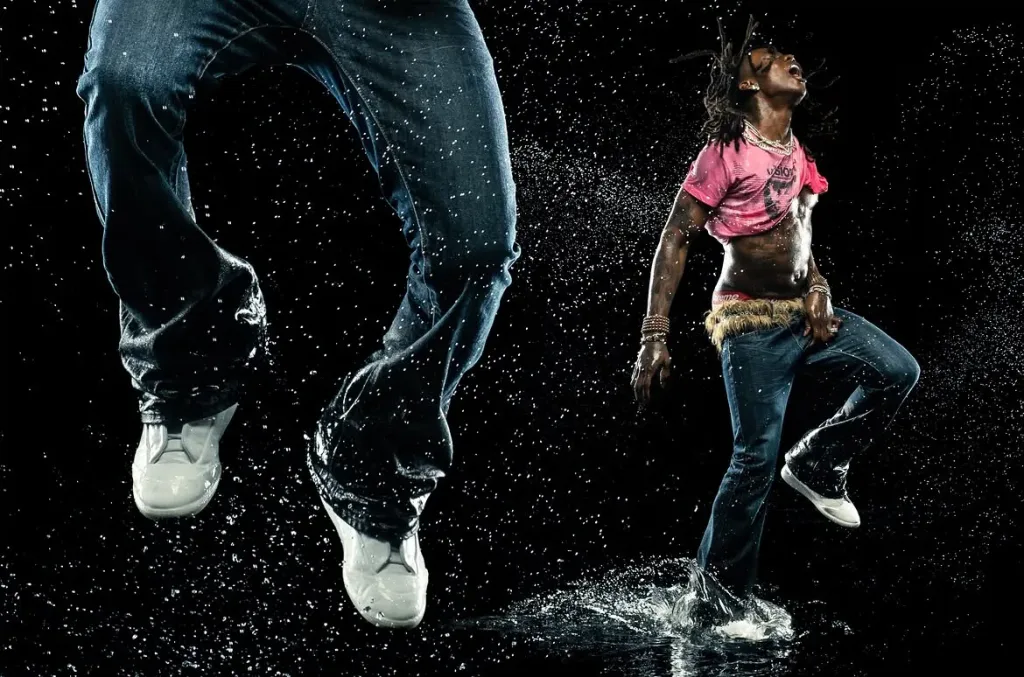
The aesthetic marks a continued departure from traditional Afrobeats fashion towards a dark-pop, punk-rockstar vibe, with fashion aficionados comparing his bold aesthetic choices to international icons like singer Lenny Kravitz and rapper Lil Uzi Vert.
Cultural Impact-Cum-New Music Era
Observers and industry insiders noted that the dramatic visual shift likely signals promotional positioning for his latest artistic era and single releases, such as his latest single dubbed “Tea.”
For years, the visual language of Afrobeats stardom relied on a familiar playbook: crisp luxury streetwear, tailored ensembles, and effortless cool that leaned heavily into accessible masculinity. But Rema has never been one to play it safe.
By stepping under cascading water streams wearing a pink Y2K crop top, visible Supreme underwear waistbands, and heavy layered silver chains, Rema stepped outside the traditional boundaries of male pop presentation in Africa. The look is a calculated collision of early-2000s downtown grit, American rockstar excess, and boundary-pushing styling. It’s an aesthetic that draws immediate parallels to other global music iconoclasts, proving that African superstars are increasingly willing to challenge domestically- normative tendencies on a global stage.
Ultimately, Rema’s water-drenched photoshoot is a masterclass in modern pop-star branding. In an era laden with fleeting attention spans, high-fashion subversion acts as the ultimate hook. Whether it serves as visual art direction for upcoming singles or simply a flex of his cultural influence, one thing is certain: Rema isn’t just riding the wave of global pop culture—he’s spearheading the storm.