For Many of us growing up in Africa, we have grown up with the image of the beauty of a Kenyan lion. From its’ golden mane strolling across the beautiful widespread savannahs. That unmistakable roar. The lion has become a form of the Kenyan identity. It is on our money, in our tourism campaigns, our national flag. It is one of the animals we casually describe as part of Kenya’s symbol of strength and hope.
For generations, the lion has been a symbol of Kenya. While watching Pride of Samburu though I was plagued with one question; What happens when the people who live alongside them have to change their entire culture from protecting themselves to becoming the ones responsible for keeping their predators alive?
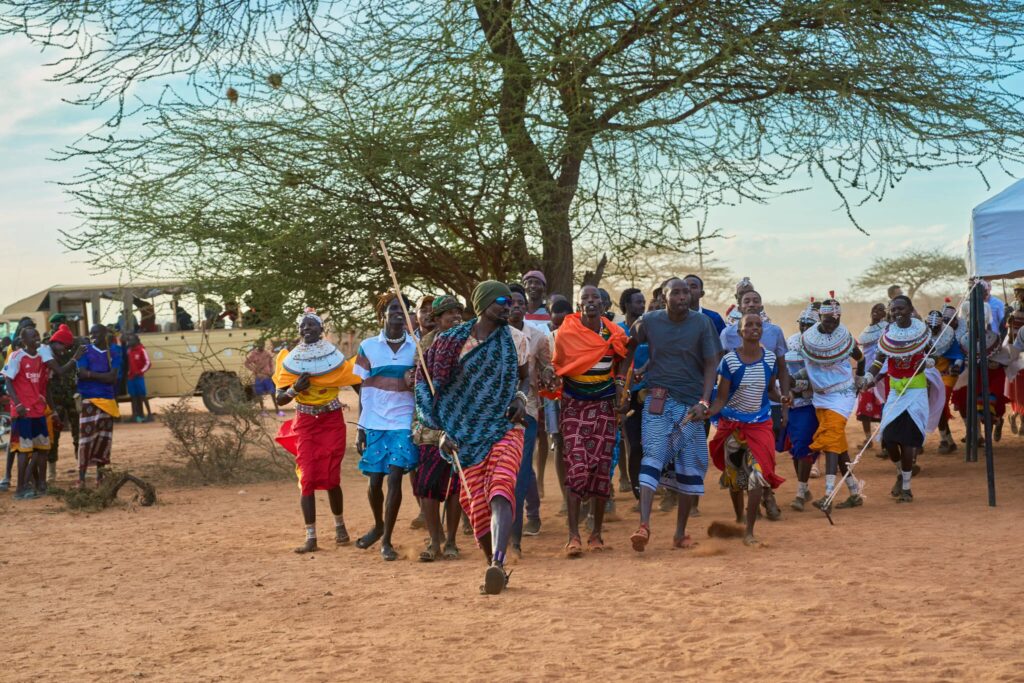
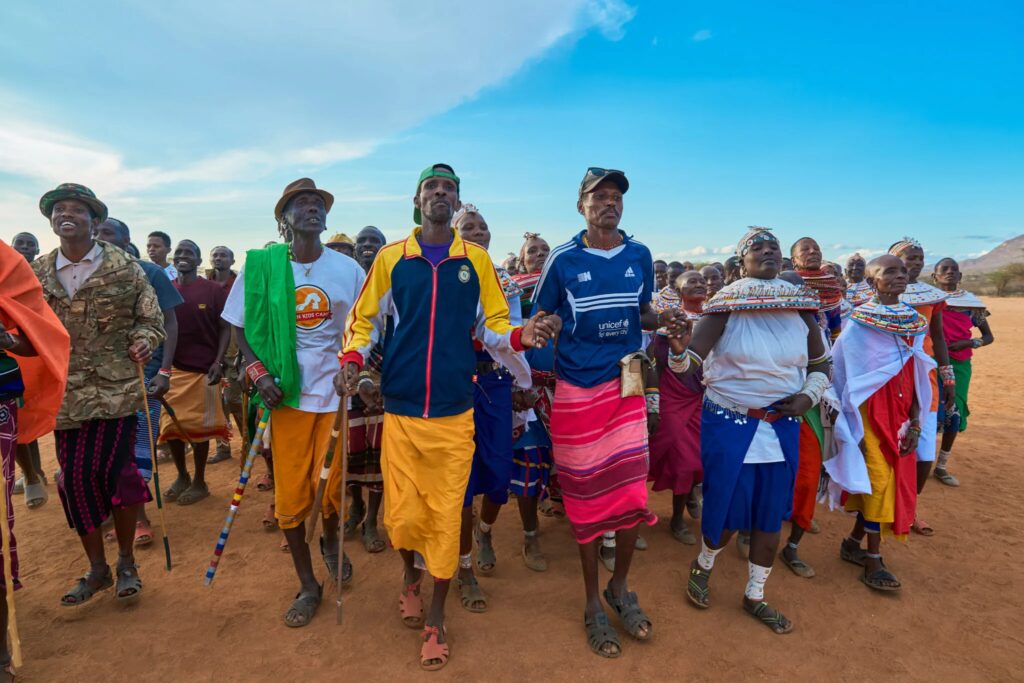
Our complicated, yet deeply human relationship is at the heart of Pride of Samburu, a National Geographic documentary that follows the people working to create a future where communities and lions can learn to coexist without human wildlife conflict.
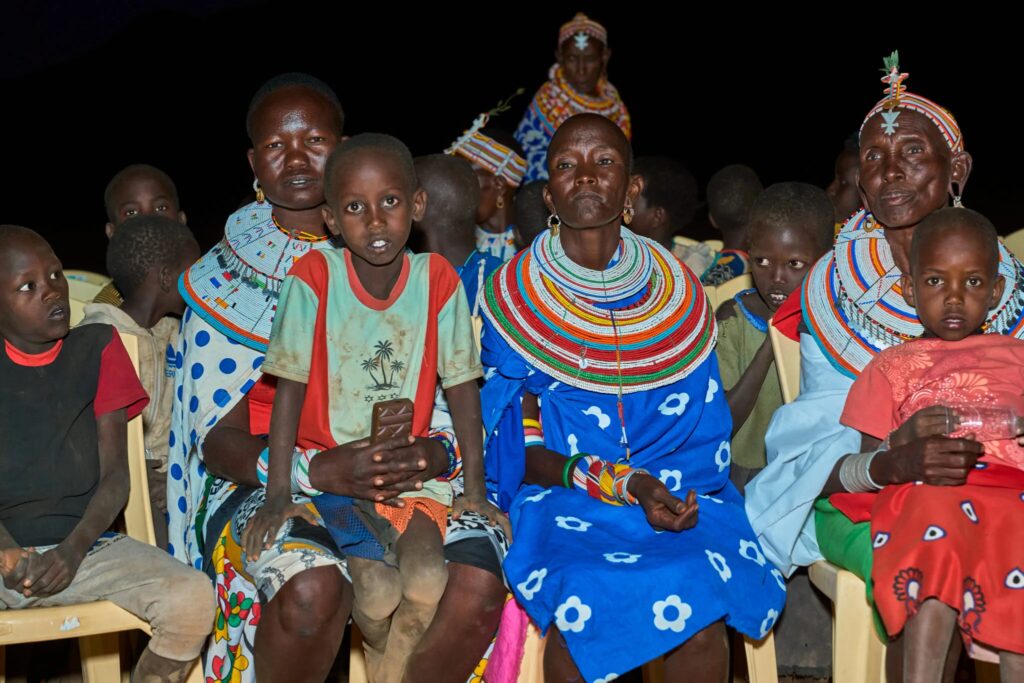
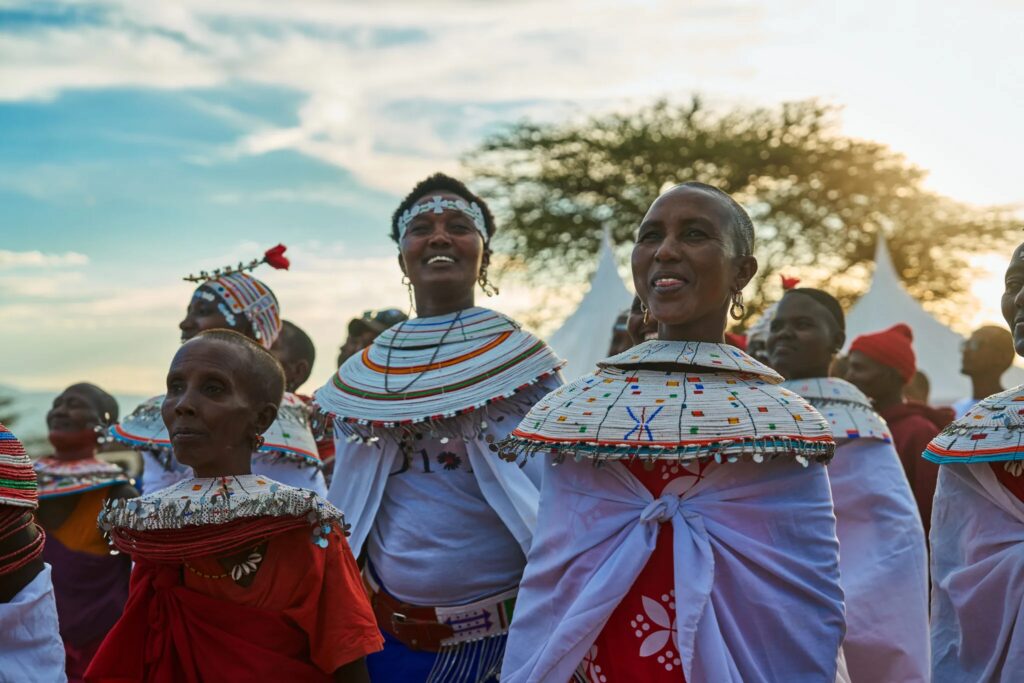
The Survival of the Lion
We often see lions at their most beautiful, vulnerable and even rebellious nature. Shows we have grown up watching like The Lion King. A pride resting under an acacia tree. A cub playing with its mother. A male surveying the savannah. The perfect golden-hour photograph in Samburu with lions perfectly silhouetted against the landscape.
When it comes to saving lions, what does that really mean? It means protecting biodiversity and healthy ecosystems, but it also means protecting cultural heritage and the livelihoods connected to Kenya’s wildlife economy. It means ensuring that future generations can experience the same landscapes and animals that previous generations grew up with. Most importantly, it means recognising that conservation cannot succeed if the people who live alongside wildlife are left out of the conversation.
At the Nairobi premiere, Bhalla put the responsibility simply: “This is our land. This is our wildlife. It is up to all of us to do whatever it takes to keep it going.”
Perhaps that is what Pride of Samburu leaves us with. Not simply a beautiful film about lions, but a question about what kind of Kenya we want to leave behind. It begins with the community that has to live alongside the pride. It begins with the warrior who has to rethink what protection means. It begins with the women restoring the land. It begins with the conservationists building trust. It begins with the filmmakers who spend years listening before they start filming.
It begins with understanding that the survival of the lion is not an abstract environmental issue.
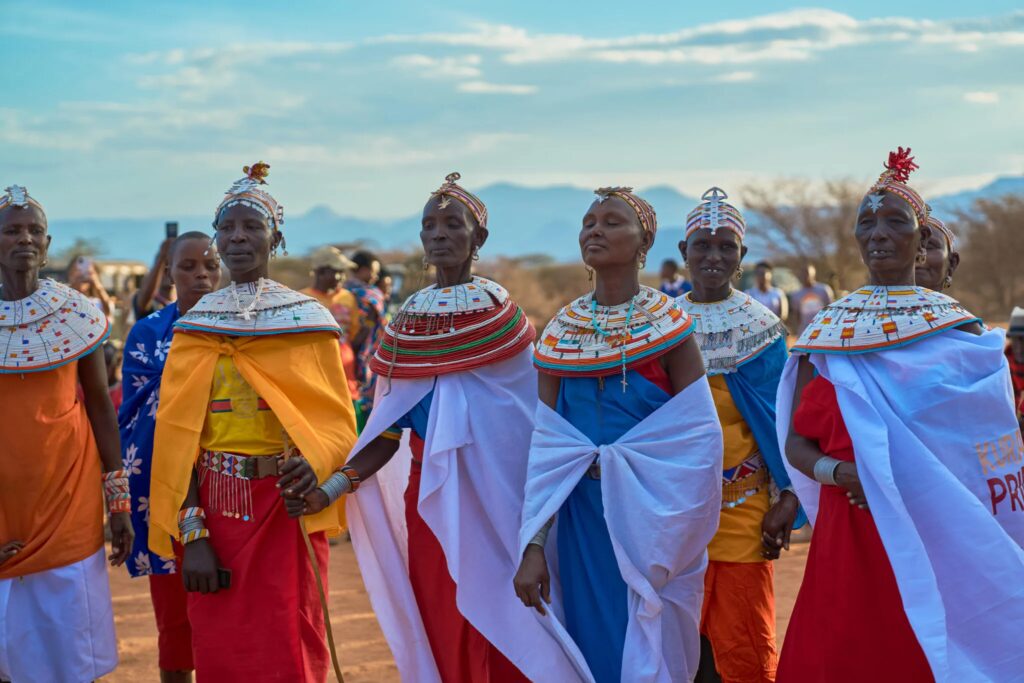
The lion is part of what makes Kenya recognisable to the world, but its value is not simply what it brings to tourism. For communities such as the Samburu, the lion has cultural meaning that goes far more deeper.
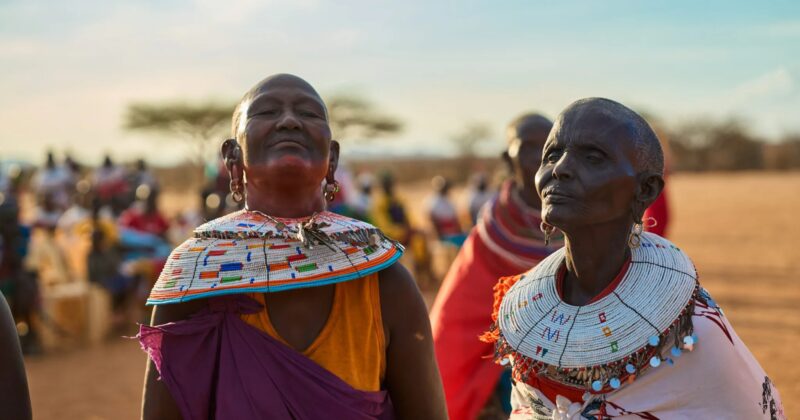
At the Nairobi premiere of Pride of Samburu, National Geographic Explorer and Ewaso Lions Community Conservation Director Jeneria Lekilelei spoke about the importance of lions in Samburu culture. “Lions play a crucial role in our culture. When lions roar, it’s a sign of hope in our culture. Losing them is like losing a part of ourselves,” he said.
That sentence captures something that statistics often cannot. Conservation is not just about counting animals. It is also about protecting memory, culture and the relationship people have with the land around them.
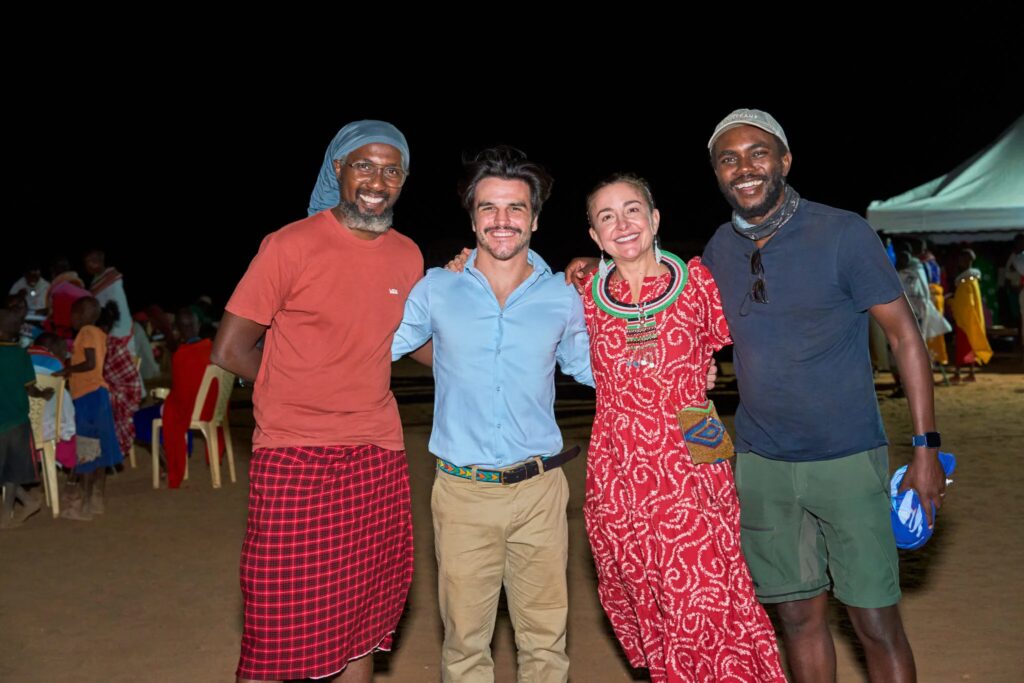
You can watch the Trailer bellow