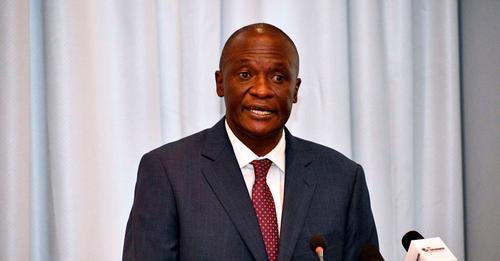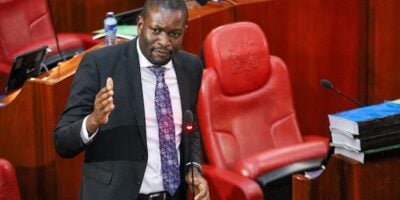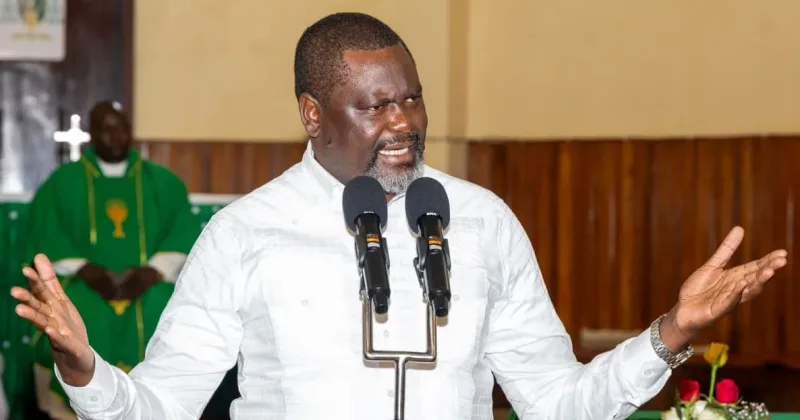
NAIROBI, Kenya, Oct 7 – The National Cohesion and Integration Commission (NCIC) has found that remarks made by Public Service Cabinet Secretary Geoffrey Ruku in Tharaka Nithi County in July 2026 amounted to collective ethnic blame and undermined harmonious relations.
In its Determination No. 4 of 2026, the commission said Ruku’s references to Kikuyu people, his assertion that people in Mt Kenya West thought Kenya belonged to them and his use of ethnic surnames transformed institutional grievances into collective ethnic blame. image(20261007-093512) image(20261007-093701)
The NCIC said the remarks demeaned the equal standing of Kikuyu people, undermined harmonious relations and failed to respect their rights and reputation.
The finding forms the basis of an immediate cessation notice issued against Ruku.
The commission has also set out a remedial reconciliation process and directed an ethnic and diversity audit of national public establishments. It said Ruku’s subsequent peace efforts were recognised as substantial first steps but did not erase the adverse findings or complete the corrective process. image(20261007-093512)
NCIC said Ruku’s position as a Cabinet Secretary amplified the influence of his speech and therefore required a higher level of restraint.
The commission noted that Section 25 of the Conflict of Interest Act excludes Cabinet Secretaries from its specific political-neutrality prohibition.
However, NCIC said the exclusion does not exempt Cabinet Secretaries from the requirements of the Constitution or the National Cohesion and Integration Act. image(20261007-093701)
The commission said public officials are expected to exercise responsibility in their public communication because their positions give their statements greater influence.
Ruku appeared before the commission with his lawyer on September 1, 2026, and admitted making the remarks.
According to NCIC, he argued that the Constitution protects distinct ethnic identities and the right to demand equitable development and public appointments.
He also alleged disparities between Mt Kenya East and Mt Kenya West, denied harbouring ill will towards Kikuyu people and told the commission that his repeated imagery about stepping on former Deputy President Rigathi Gachagua’s neck was intended to describe political defeat rather than physical injury. image(20261007-093512)
NCIC said it assessed the recording and transcript of the speech alongside Ruku’s explanations and legal submissions.
The commission understood the repeated “neck” imagery as figurative political language in the circumstances but found that it nonetheless required greater restraint from a public leader. image(20261007-093701)
The commission also addressed the circumstances surrounding the inquiry, including an initial error concerning the location and date of the remarks.
NCIC said the error was material but was expressly corrected before Ruku appeared before it.
The commission found that Ruku received and answered the corrected case and that no procedural prejudice had been demonstrated.
His appearance on September 1, 2026, gave him an opportunity to present evidence and representations, NCIC said. image(20261007-093701)
NCIC said Ruku was entitled to identify as Mbeere, distinguish communities, raise concerns about development and public appointments and demand equitable treatment.
However, the commission said those rights do not authorise collective blame against another community.
“The Constitution protects distinct ethnic, cultural and regional identities,” the commission said in its findings, while distinguishing legitimate advocacy from collective ethnic blame. image(20261007-093701)
The commission further addressed Ruku’s claims concerning ethnic representation in public appointments.
NCIC said Article 232 of the Constitution provides for adequate and equal opportunity for members of all ethnic groups in the public service.
However, it said the constitutional provision does not establish alleged disparities as fact or justify assumptions based on surnames.
The commission also cited Section 7, which requires public establishments to seek to represent Kenya’s diversity and prohibits more than one-third of an establishment’s staff from belonging to one ethnic community. image(20261007-093701)
NCIC, however, said its inquiry did not establish the compliance position of any particular public establishment and that verified institutional data would be required to make such a determination.
The commission has consequently directed the cessation of the conduct identified in its determination and initiated a remedial reconciliation process.
It has also directed an ethnic and diversity audit of national public establishments as part of the corrective measures.
The determination comes amid continued public debate over ethnic representation, equitable development and appointments in government, particularly in the Mt Kenya region.
NCIC’s findings distinguish between the right of communities and public officials to raise concerns about development and representation and statements that the commission considers to amount to collective ethnic blame.