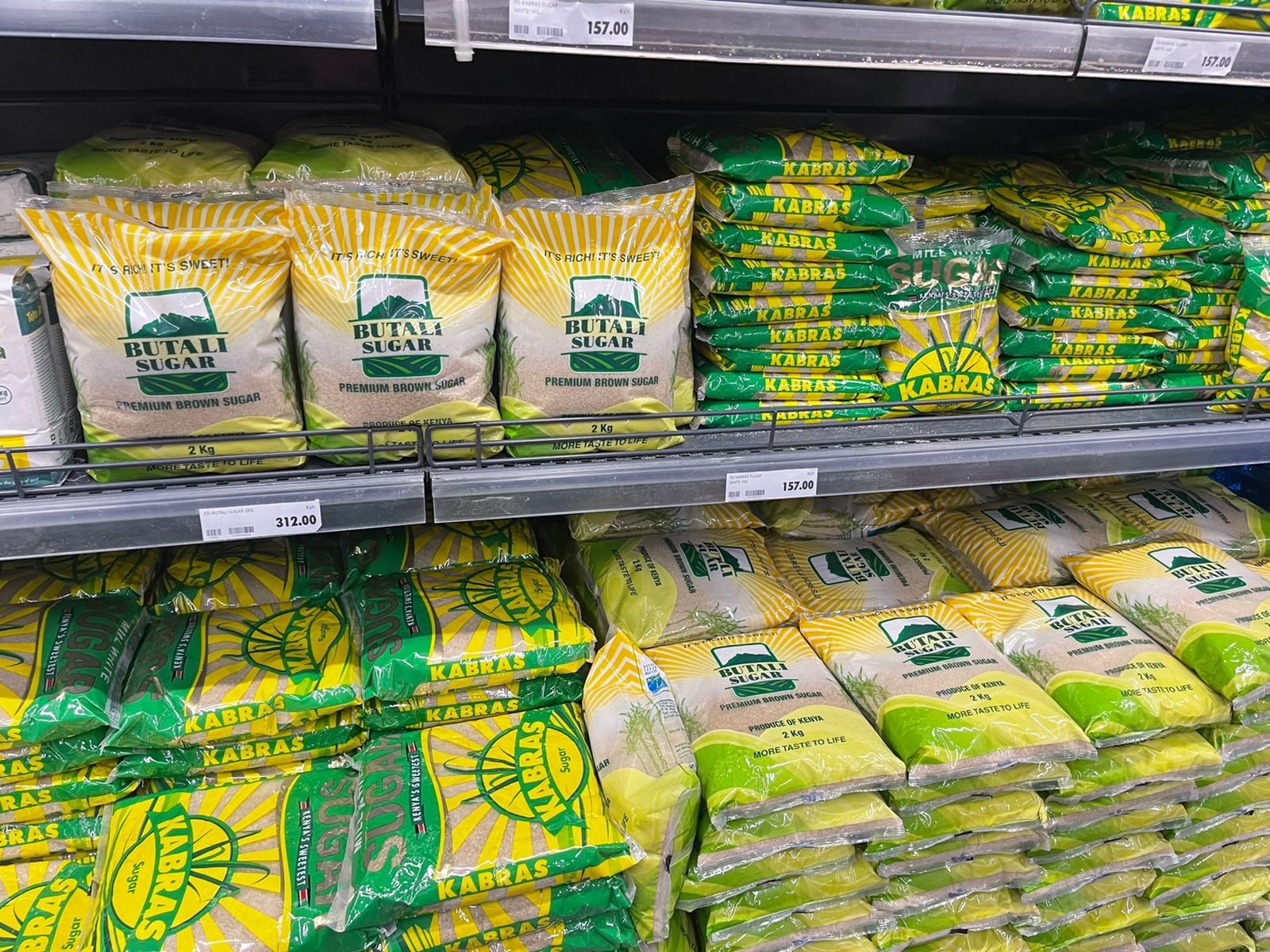
ROME, Nov. 3 (Xinhua) — Global sugar prices settled down in October, following sharp increases in previous months, the United Nations Food and Agriculture Organization (FAO) said Friday.
Sugar has been the most volatile food commodity in recent weeks, amid concerns over supplies sparked by extreme weather in sugar-producing countries, high energy prices, and the impacts of the El Nino weather phenomenon.
However, the FAO said that sugar prices declined 2.2 percent in October, after surging 9.8 percent the previous month to reach their highest level since 2010.
Despite the modest decline in October, global sugar prices were still 46.6 percent above a year ago, after having climbed in eight of the last 12 months.
Meanwhile, the FAO’s overall Food Price Index declined slightly, in part due to lower sugar prices. The index fell by 0.5 percent compared to the previous month. It has now declined in all but two months over the last year, and stands 10.9 percent below its levels from October of last year.
Grains and cereals, the largest component in the index, saw prices decline by 1.0 percent in October, paced by a 2.0 percent decrease in rice prices amid weak global demand.
Prices for vegetable oils were down by 0.7 percent in October, and meat prices were 0.6 percent lower than a month earlier.
Dairy prices were the one food commodity group to see prices rise in October, climbing 2.2 percent, pushed mostly by higher prices for milk powder due to an increase in demand. These gains reversed nine consecutive months of declines.