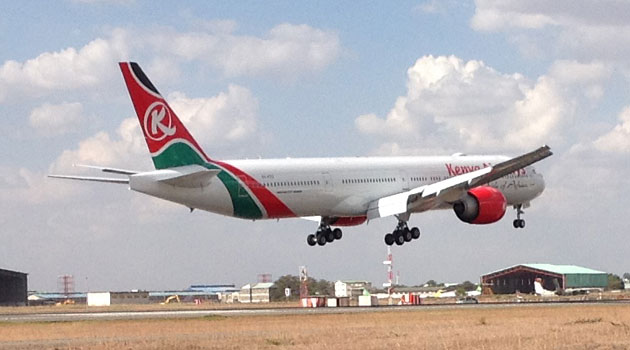
NAIROBI, Kenya, Oct 14 – African countries have been urged to invest in modern air traffic management systems ahead of projected growth in air travel to improve safety, reduce flight delays and contain aviation costs.
The call was made during the first day of the CANSO Africa Conference 2026 in Nairobi, where aviation industry leaders said inadequate digital infrastructure and limited cross-border coordination could undermine the continent’s expanding air transport market.
Andrea Sack, CANSO Senior Vice President for Global Operations, said air traffic management infrastructure should be treated as a strategic investment rather than an afterthought to airport, runway and airline expansion.
“Air traffic management should no longer be an afterthought that follows growth. It has to be part of how we plan for growth in the first place,” Sack said.
She said African countries needed to move beyond developing aviation strategies and focus on implementing practical solutions, including sharing operational data, pooling expertise and ensuring that national systems could work together across borders.
Sack noted that countries did not need to adopt identical systems or modernize at the same pace, but should pursue common regional outcomes through interoperable technologies and coordinated investment.
She added that financing frameworks needed to recognize the wider economic benefits of air traffic management, including improved connectivity, operational resilience and economic development.
Sack also warned that deploying new technology without preparing supporting systems, personnel and procedures could limit the benefits of modernization.
Her remarks come as the conference examines how African states can implement the Mombasa Air Traffic Flow Management Roadmap, which seeks to improve coordination of aircraft movements across the continent.
A second aviation industry representative said Africa’s projected economic and air transport growth would increase pressure on air navigation service providers to expand capacity while deploying appropriate technology.
The representative said Africa’s aviation sector was expected to grow by 4.1 per cent annually in the coming years, compared with about 3 per cent in Europe, increasing the urgency of infrastructure investment.
The official identified infrastructure and digitalization funding as key challenges facing African aviation, while describing the continent’s young and ambitious workforce as a major asset.
The official also linked inefficient air traffic management to higher operating costs for airlines, citing additional fuel consumption, flight delays and passenger rebooking expenses.
Aircraft that remain in holding patterns while awaiting permission to land or face delays consume additional fuel, adding to airline operating expenses.
Better coordination between neighboring air navigation service providers could help reduce such inefficiencies, although weather-related disruptions remain outside their direct control.
Meanwhile, Dr Sara Waitiki, representing the Kenya Civil Aviation Authority at the conference, said modernization must combine technology investment with workforce development, regulatory cooperation and effective change management.
Waitiki said automation, improved surveillance and digital information exchange could strengthen safety and operational performance, but countries also needed to equip aviation personnel with the skills to manage emerging technologies.
She called on delegates to leave the conference with measurable priorities and implementation plans rather than broad commitments.
The three-day conference, running from October 13 to 15, is bringing together air navigation service providers, regulators and industry partners to discuss airspace modernization, regional interoperability and the development of air traffic flow management across Africa by 2030.