
NAIROBI, Kenya Aug 18 – Businesses under the Pubs, Entertainment and Restaurants Association of Kenya (PERAK) have petitioned the National Assembly to conduct nationwide public participation on the Tobacco Control (Amendment) Bill, 2024, saying the current engagement process is inadequate and exclusionary.
The businesses presented signed petitions to the National Assembly on behalf of Kenyans from various constituencies, calling for the Bill to be subjected to physical public participation forums across the country.
They said the broader consultations would give affected businesses, stakeholders and members of the public an opportunity to express their views on the proposed amendments.
The petition comes amid growing concerns among traders and business owners over provisions of the Bill, with stakeholders calling on Parliament to take public participation beyond Nairobi and engage communities across the country.
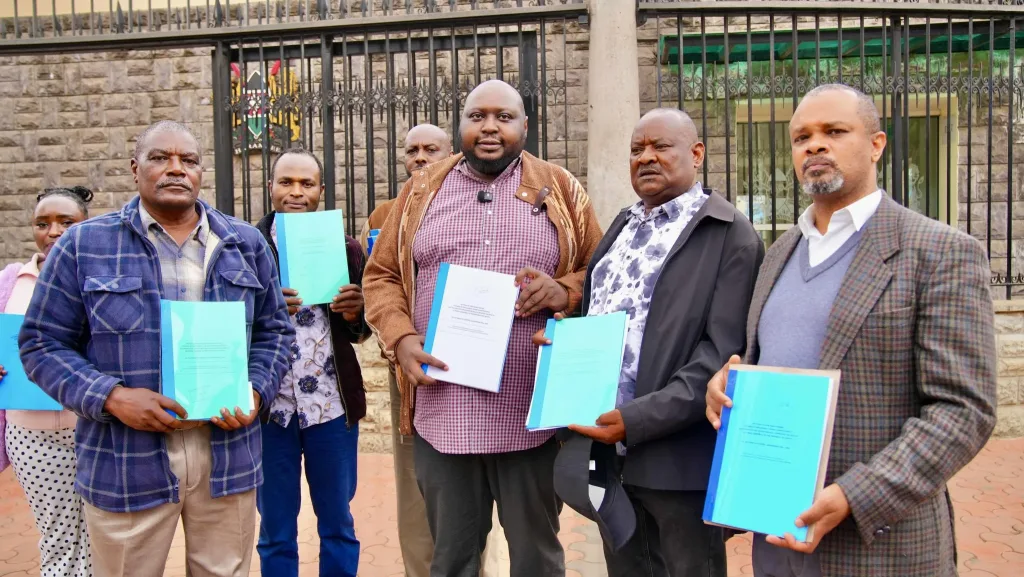
PERAK said the current arrangement does not adequately capture the views of businesses and other Kenyans who would be affected by the proposed changes.
Similar concerns were raised during the Bill’s consideration in the Senate last year, when traders in the retail and entertainment sectors urged lawmakers to broaden stakeholder consultations and ensure greater public participation in the legislative process.
Sponsored by nominated Senator Catherine Mumma, the Tobacco Control (Amendment) Bill, 2024 was first introduced in the Senate, where it was debated and passed before being forwarded to the National Assembly for concurrence.
The Bill is currently under consideration by the National Assembly’s Departmental Committee on Health ahead of debate in the House.
The proposed legislation seeks to amend the Tobacco Control Act by establishing a legal and regulatory framework for emerging nicotine and tobacco products, including vapes and oral nicotine pouches.
Businesses are now urging Parliament to undertake fresh, nationwide consultations before proceeding with consideration of the proposed amendments, arguing that affected stakeholders should have a meaningful opportunity to participate in the legislative process.