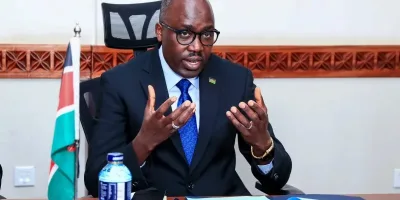
NAIROBI, Kenya, July 19 – Deputy President Kithure Kindiki has dismissed suggestions that the Kenya Kwanza coalition is losing its grip on the Mt Kenya region, insisting the bloc remains united despite its recent parliamentary by-election defeat in Ol Kalou that has fuelled speculation over shifting political loyalties.
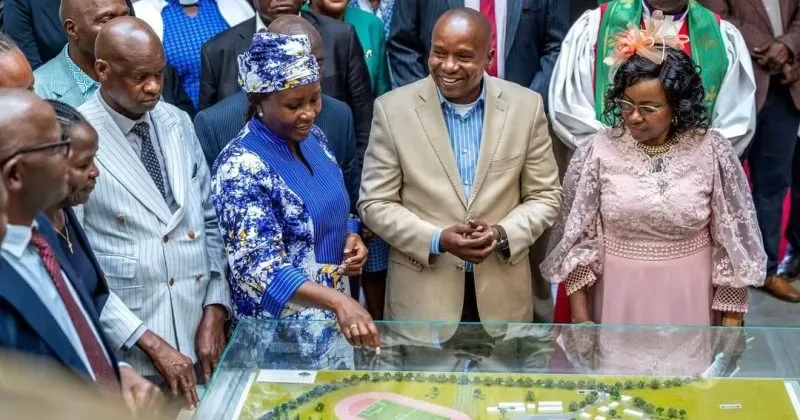
Speaking during the Anglican Church of Kenya (ACK) Diocese of Embu’s 36th Anniversary Thanksgiving service at Kigari Teachers Training College in Embu County on Sunday, Kindiki said attempts to portray the region as politically divided were misguided, maintaining that he would ensure Mt Kenya remained cohesive.
The Deputy President’s remarks came just days after the Democracy for the Citizens Party (DCP) handed Kenya Kwanza a major political setback by clinching the Ol Kalou parliamentary seat, a result that analysts interpreted as a sign of growing opposition influence in the President William Ruto’s traditional support base.
Without directly referring to the by-election, Kindiki dismissed claims that the region was drifting away from the ruling coalition, saying Mt Kenya had a long tradition of political unity.
“I come from this region, and I do not want our communities to be divided. We are one people. I do not want to see our community speaking in different voices. We are one people,” he said.
He added: “Politically, the people of the Mt. Kenya region have always done many things together and share a long history. There is nothing that should divide us.”
The Deputy President accused unnamed political actors of attempting to sow discord in the region, saying their efforts would not succeed.
“Those who think they will bring confusion to Mt. Kenya by making people speak in different voices and dividing them should relax. They should know that the Deputy President is the fireman and I will ensure that our entire community walks together. There is no problem. Do not create unnecessary noise or attempt to divide our people,” he said.
Kindiki urged leaders to focus on service delivery rather than political rhetoric, arguing that the electorate would ultimately judge leaders based on their performance in office.
“Next year, the people will cast their votes. I want to assure you that what will save the President, the Deputy President, governors, Members of Parliament and all leaders is the work they have done for the people,not the noise being made,” he said.
Drawing parallels with previous political contests, the Deputy President expressed confidence that Kenya Kwanza would retain public support.
“If we won when President Uhuru Kenyatta was in The Hague with President William Ruto, then next year is a small matter. Pray only for good health and God’s favour. The rest is easy. Some people may not believe it, but the Bible tells us that God humbles the proud and exalts the humble,” he said.
Kindiki urged political leaders to exercise restraint and avoid using churches as platforms for political confrontation, saying the government had resolved to keep partisan politics away from places of worship.
“As leaders under the leadership of President William Ruto, we have agreed that we will not use the altar to do foolish things, deliver confusing messages, destroy communities or divide people,” he said.
He said government leaders would instead use church gatherings to engage congregants on development issues and support faith-based institutions while reserving politics for appropriate forums.
“Whenever we attend church services, we will ask believers how we can support them, including in the construction of churches and other needs, and then leave politics outside because we have many other days to engage in politics,” he said.
Kindiki also appealed for national unity, warning against political intolerance and divisive rhetoric that could undermine social cohesion.
“This is our country, and whenever we have disagreements, let us exercise moderation because there is tomorrow. Let us not destroy relationships that have been built over centuries because of temporary issues,” he said.
He reiterated that the government views the Church as a key development partner, citing its role in education, healthcare, water projects and social welfare, while pledging that the administration would continue listening to religious leaders on matters of governance and national development.