SRINAGAR, Jammu and Kashmir — Visitors driving into Srinagar from Kashmir’s Sheikh-ul Alam International Airport are now greeted by rows of lamp posts illuminated in the green, white and orange of the Indian national flag and billboards featuring India’s Group of 20 lotus logo.
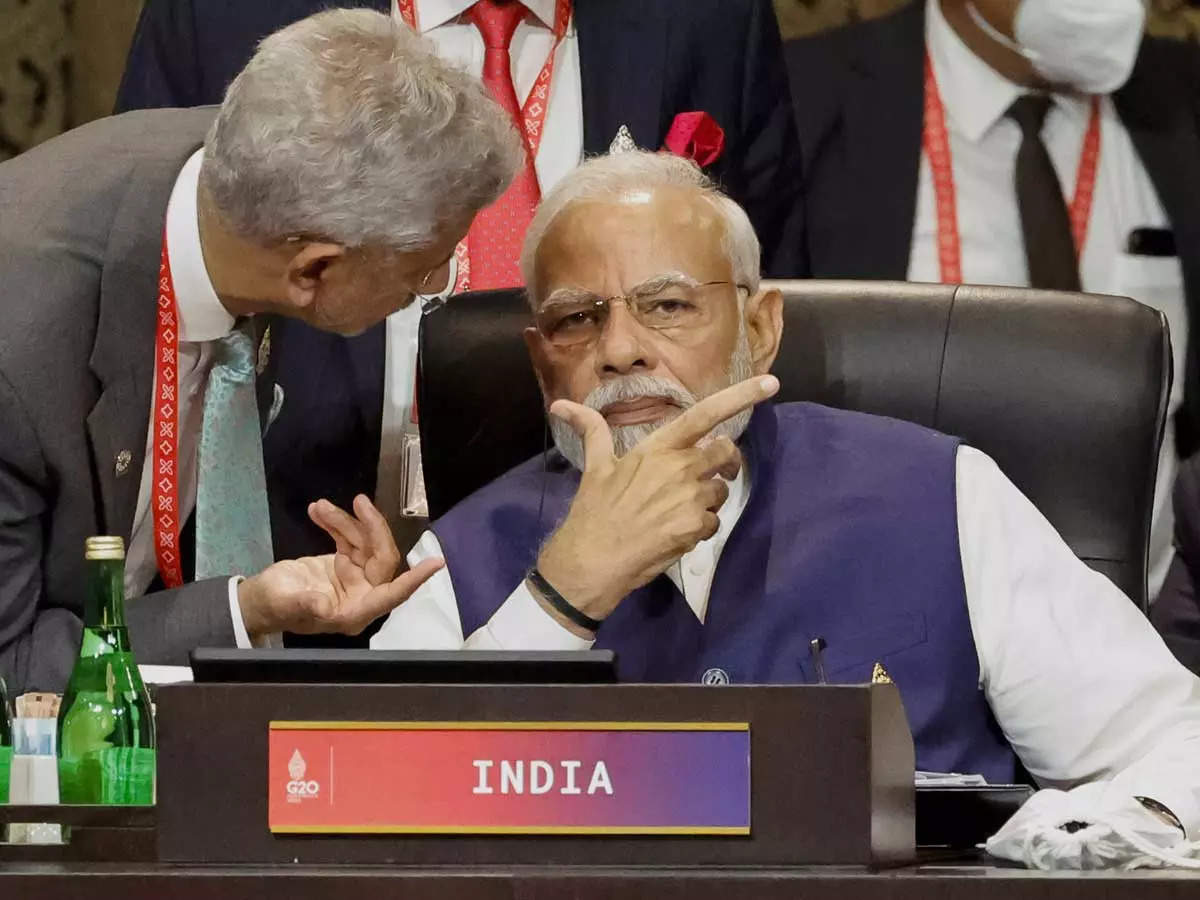
For the first time since India revoked the special status of Jammu and Kashmir in 2019, the territory is due to host a significant international event later this month — a G-20 tourism meeting on May 22-24. Dignitaries from around the world are expected to attend.
The authorities’ excitement over Kashmir’s role in India’s G-20 presidency this year is palpable. Footpaths have been renovated. Roadside walls have been painted in peach and white. This comes as Srinagar undergoes a 30 billion rupee ($366 million) makeover under a smart city scheme.
India clearly hopes to project a positive image and demonstrate that conditions in Kashmir are improving under its stewardship. At the same time, however, the meeting has raised serious security concerns and risks inflaming regional tensions — not least with archrival Pakistan, which also claims the territory.
“The meeting is seen as very crucial,” said a senior official in Kashmir, requesting anonymity. “We are closely monitoring and reviewing the security situation in Jammu and Kashmir.”
The threat became all too apparent on April 20, when militants carried out a bold attack in the southwestern district of Poonch. Five Indian soldiers were killed and another was injured. A terrorist group with backing in Pakistan claimed responsibility.
Some in India pointed the finger directly at Islamabad. S.P. Vaid, a former director general of Jammu and Kashmir police, said Pakistan would “do anything to create an impression that everything is not normal in Kashmir.”
Alongside the beautification efforts, authorities are beefing up security ahead of the meeting. The federal government is looking at relocating additional paramilitary forces from within Jammu and Kashmir to Srinagar as well as the tourist area Gulmarg. Reports said anti-drone technology would be deployed, after the April 20 attackers may have received equipment via drones.
India’s Home Minister Amit Shah has asked for the enhancement of the intelligence grid in Kashmir as well as border areas of Jammu. Local law enforcement authorities plan to implement what they call “invisible policing” for the G-20 meeting, with around 600 officers receiving special training at an academy in Jammu’s Udhampur.
“These challenges will continue for the Indian army and police,” said Vaid. “So police and security forces will have to remain very careful ahead of the G-20 summit.”
Pakistan has made no secret about its opposition to holding any G-20 proceedings in Kashmir — a focus of dispute since partition in 1947. Michael Kugelman, director of the South Asia program at the Wilson Center, said “of course” Pakistan would not want India to do anything that suggests Kashmir is Indian territory.
China, too, has expressed reservations and may not participate in the G-20 tourism talks. Chinese Foreign Ministry spokesperson Zhao Lijian, when asked about the G-20 plans for Kashmir and Pakistan’s opposition, said last year that “parties concerned need to avoid unilateral moves that may complicate the situation. Efforts should be made to settle the dispute through dialogue and consultation so as to maintain regional peace and stability.”
Pushing back against criticism of the Kashmir meeting, an Indian Foreign Ministry spokesperson in April said that “G-20 events and meetings are happening across India and it’s only natural to do them in Jammu and Kashmir and Ladakh, which are an integral and inalienable part of India.” A youth meeting under the G-20 was held in late April in Ladakh, near the disputed border with China.
Vaid, the former police director, said that “both [Pakistan and China] do not want India to be a global power.”
Likewise, Pakistan and China — which has its own sometimes violent border dispute with India in the Himalayas — opposed India’s revocation of Jammu and Kashmir’s special status. They branded the abrogation of Article 370 of the constitution, which had afforded that status, “illegal and invalid.”
On the other hand, Indian Prime Minister Narendra Modi’s government over the past three years has claimed the move brought “development and peace” to the area. It says ongoing projects reflect India’s vision for a “new Kashmir” that brings opportunities for young people.