NAIROBI, Kenya, Aug 18 – The government has stepped up preparations for the construction of the Mau Summit–Eldoret–Malaba road, with a high-level inter-agency committee directing state agencies to urgently resolve outstanding issues ahead of the project’s commencement.
The development comes as the government seeks to upgrade the key Northern Corridor link to improve the movement of people and goods from Mombasa through western Kenya to Uganda and the wider East African region.
Treasury Principal Secretary Chris Kiptoo on Tuesday chaired the seventh meeting of the Inter-Agency Project Steering Committee overseeing the implementation of the Nairobi–Nakuru–Mau Summit and Nairobi–Maai Mahiu–Naivasha road projects.
During the meeting, the committee also reviewed the status of the Mau Summit–Eldoret–Malaba corridor, noting ongoing preparatory activities and reaffirming the government’s commitment to commencing the project.
The committee brought together Roads PS Joseph Mbugua, Interior and National Administration PS Raymond Omollo, PPP Directorate Director-General Kepha Seda and senior officials from the Kenya National Highways Authority, the Public Debt Management Office, Budget and Economic Affairs and the PPP Directorate.
The officials assessed the progress of the project, emerging challenges and the government support required to move it into the implementation phase.
The committee subsequently directed the relevant government agencies to urgently address outstanding issues within agreed timelines, underscoring the administration’s push to accelerate the delivery of the road.
The Mau Summit–Eldoret–Malaba corridor is a critical section of the Northern Corridor, which connects the Port of Mombasa to Uganda and other landlocked countries in East and Central Africa.
The proposed upgrade is expected to significantly improve the movement of cargo through western Kenya while reducing congestion and travel times along one of the country’s busiest trade routes.
The project is being developed under a Public-Private Partnership (PPP) arrangement, with the government pursuing private-sector participation in financing, construction and operation of the road.
The corridor has for years faced congestion, particularly around major urban centres, as well as deterioration of sections of the existing road and increasing pressure from heavy commercial traffic.
Its upgrade is therefore expected to have implications beyond transport, with the government linking the project to increased regional trade, improved road safety and wider economic opportunities along the corridor.
The project is also expected to complement the planned upgrade of the Nairobi–Nakuru–Mau Summit corridor, creating a more efficient transport link from the capital to the Kenya-Uganda border.
The government has previously indicated that the Mau Summit–Eldoret–Malaba project will involve substantial improvements to the existing road infrastructure and introduce modern road facilities designed to improve traffic flow and safety.
The PPP Directorate and KeNHA have been undertaking preparatory work, including technical and financial assessments, before the project proceeds to full implementation.
The latest meeting signals an attempt by the government to move the project beyond the preparation stage by bringing together agencies responsible for financing, infrastructure, security and PPP implementation.
The committee said all responsible institutions must address pending matters within the agreed framework to ensure the project does not face further delays.
Once completed, the road is expected to ease congestion, reduce travel times and improve road safety while strengthening Kenya’s position as a regional trade and logistics hub.
It will also improve connectivity between the major economic centres of Mau Summit, Eldoret and Malaba, while facilitating the movement of goods to Uganda and other markets in the region.
The government maintains that the project will unlock economic opportunities along the corridor and deepen regional integration through improved transport infrastructure.
Rironi–Mau Summit project
The Rironi–Mau Summit project was formally launched by President William Ruto in November 2025, with the first phase covering the Rironi–Naivasha–Gilgil and Rironi–Maai Mahiu–Naivasha sections. The project is being implemented under a PPP arrangement involving China Road and Bridge Corporation (CRBC) and the National Social Security Fund (NSSF).
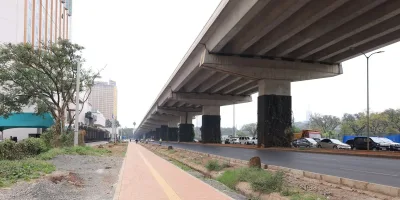
The project involves upgrading sections of the existing road, including the construction of dual carriageways, interchanges and tolling infrastructure. The government expects the improvements to ease congestion and reduce travel time along the Nairobi-Nakuru route.
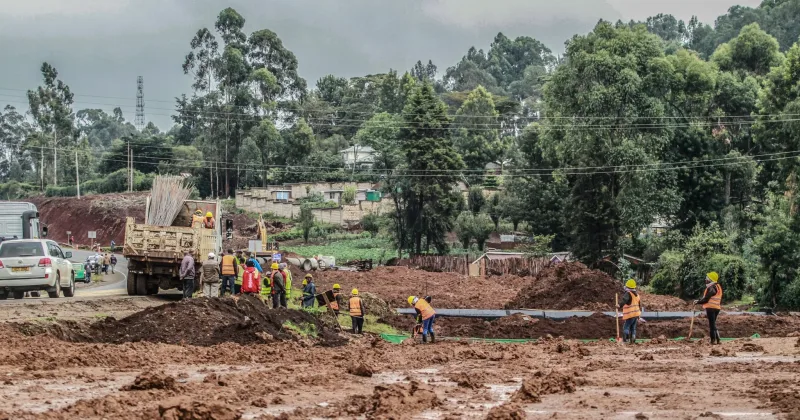
A government inspection in May showed that works were progressing along sections of the Rironi–Gilgil and Rironi–Maai Mahiu–Naivasha roads, with the government targeting completion of the Rironi–Naivasha–Gilgil section by June 2027.
The road is also expected to operate as a toll facility once completed. KeNHA has indicated that the applicable toll tariff will be Sh8 per kilometre, subject to future adjustments in accordance with the project agreement and government approvals.
The latest meeting therefore comes at a critical stage as the government works to resolve administrative, financial and technical issues surrounding the projects.
According to Kiptoo, the committee directed all institutions involved to urgently address outstanding matters within agreed timelines and the established implementation framework.