NAIROBI, Kenya, Jul, 25 — East African scientists are turning biotechnology into a frontline solution for livestock production, unveiling home-grown innovations that promise to reduce feed costs, curb antibiotic use and improve food security as they seek investment to commercialize their research.
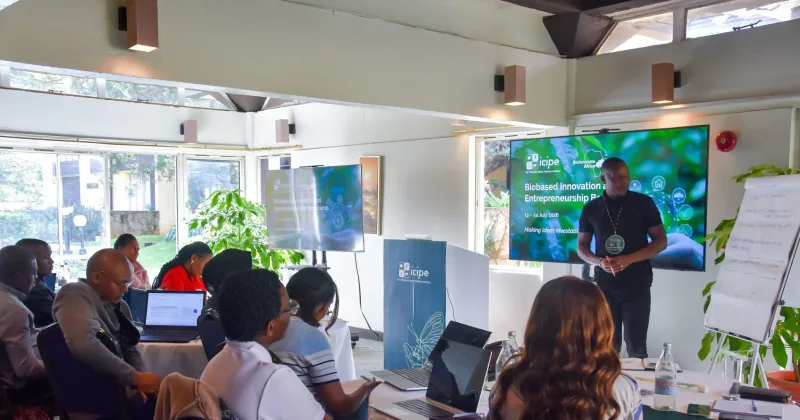
The technologies, ranging from probiotic livestock supplements and natural mycotoxin binders to insect-feed innovations made from agricultural waste, were among the standout ventures showcased during the Biobased Innovation and Entrepreneurship Bootcamp (BIEB) organised by BioInnovate Africa at the International Centre of Insect Physiology and Ecology (icipe) Duduville Campus in Nairobi.
The livestock solutions formed part of a wider showcase by 13 young scientists from Kenya, Uganda, Tanzania, Ethiopia, Burundi and the Democratic Republic of the Congo, who completed the intensive 10-day entrepreneurship programme designed to transform laboratory research into investor-ready businesses tackling agriculture, food security, public health and green manufacturing.
The final pitch event brought together investors, industry leaders and policymakers, with between seven and ten of the most promising ventures expected to receive seed funding and long-term mentorship.

Biotechnology tackles livestock productivity
Kenya’s George Lugonzo Odongo, a One Health Specialist at the Kenya Agricultural and Livestock Research Organization (KALRO), presented KALPRO, a probiotic livestock feed supplement developed to improve animal gut health, strengthen immunity and reduce dependence on antibiotics.
Lugonzo said livestock farmers continue to grapple with rising production costs, with feed accounting for between 60 and 70 per cent of total production expenses.
“Before we can sufficiently feed the world’s population over the next 25 years, we must produce 50 per cent more food than we produce today,” he said.
According to the research team, KALPRO improves feed digestibility, increases immunity by up to 40 per cent, boosts milk production by up to 20 per cent and enhances feed conversion efficiency by as much as 33 per cent.
The probiotic, formulated using indigenous microorganisms, is compatible with local feeding systems, requires no refrigeration for more than six months and also helps reduce methane emissions from livestock.
The team plans to secure Kenya Bureau of Standards (KEBS) certification before expanding distribution through agrovet outlets, beginning in Kiambu County before scaling across East Africa.
The venture is seeking US$50,000 to increase production capacity, strengthen marketing and expand regional distribution, with a long-term goal of reaching more than 15 million farmers.
Solution to contaminated livestock feed
Another Tanzanian innovation addressed the widespread challenge of mycotoxin contamination in livestock feeds.
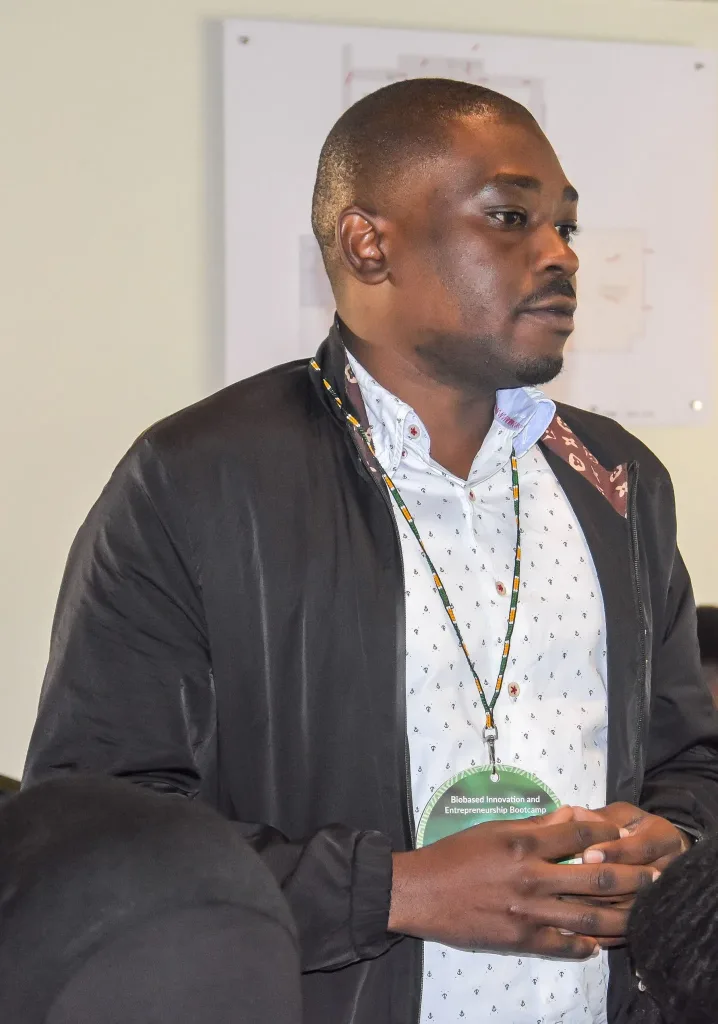
Ally Baholela Ally, a veterinarian and researcher at Sokoine University of Agriculture, introduced Vol-Binder Plus, a natural feed additive produced from volcanic clay and plant-based organic ash.
The locally developed product protects livestock from multiple harmful mycotoxins commonly found in cereal-based feeds, which are associated with poor animal health and declining productivity.
Ally noted that while sub-Saharan Africa is among the regions most affected by mycotoxin contamination, imported toxin binders remain costly and often target only a limited range of contaminants.
Vol-Binder Plus is designed as an affordable alternative integrated into livestock feed premixes and packaged in quantities suitable for smallholder farmers.
The product is expected to retail at about US$3, compared to approximately US$5 for imported alternatives.
The developers are seeking US$24,000 to complete animal trials, secure regulatory approvals, pursue patent protection and establish pilot-scale production.
Turning sisal waste into high-protein livestock feed
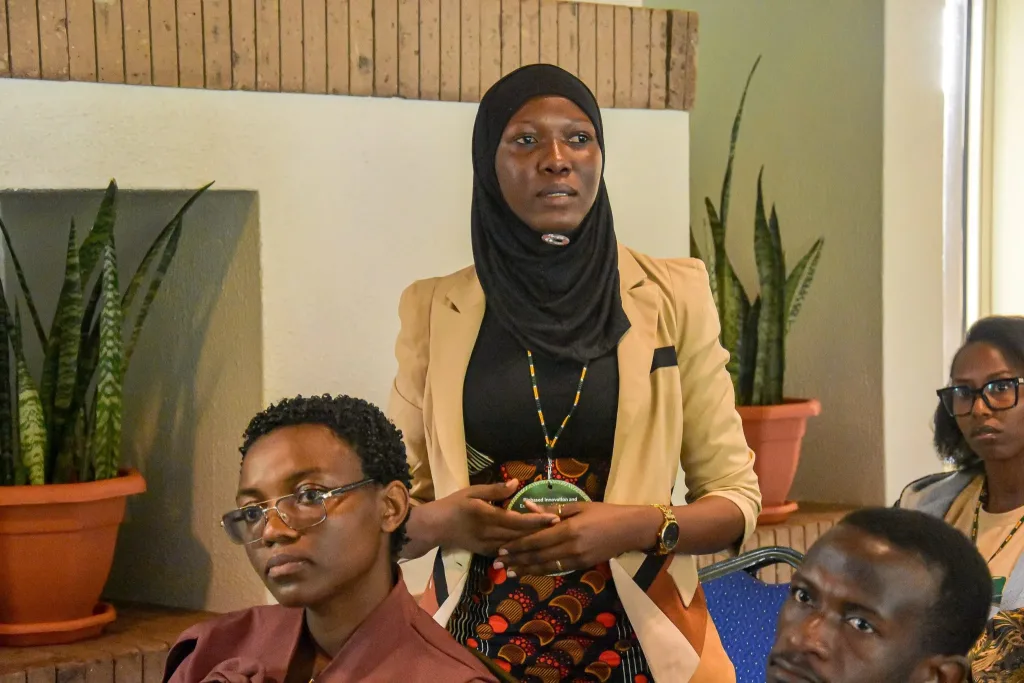
Also pitching during the boot camp was Asha Mohamed Shuli of the Nelson Mandela African Institution of Science and Technology (NM-AIST), who unveiled FunzaBoost, an innovation that converts salty sisal waste into a high-quality feed substrate for Black Soldier Fly production.
Using beneficial microorganisms, the technology reduces salinity and improves nutrient availability, enabling the production of Black Soldier Fly larvae containing approximately 53 per cent protein.
The innovation offers a sustainable alternative to conventional protein ingredients such as soybean meal and fishmeal while creating value from agricultural waste.
Shuli said Tanzania’s animal feed industry presents significant market potential for insect-based protein, particularly as demand grows for sustainable feed ingredients.
The team projects revenues of about US$96,000 in its first year and expects to break even in the second year while seeking US$50,000 to establish production facilities, secure certification and commercialise the technology.
From laboratory research to investor-ready businesses
The livestock technologies were among several innovations presented by the 13 researchers who completed BioInnovate Africa’s entrepreneurship boot camp.
According to BioInnovate Africa Manager Julius Ecuru, the annual programme addresses a longstanding gap between scientific research and commercialisation by equipping young researchers with entrepreneurship and investment-readiness skills.
“This boot camp is an initiative by BioInnovate Africa that we organise every year. We select participants from universities, research institutes and private companies within our network. They are mostly young people—master’s students, PhD students or recent graduates,” Ecuru said.
This year’s cohort was selected from 54 applications, with 13 innovators ultimately participating after two selected candidates were unable to attend. Women accounted for eight of the participants.
Researchers spent seven days at icipe refining business models, validating markets and preparing investor pitches before undertaking a three-day innovation tour in Arusha, Tanzania, where they visited the Nelson Mandela African Institution of Science and Technology, manufacturing firm A-to-Z Group and biotechnology startup Envsol Technology Limited.
The programme concluded with a visit to the East African Community headquarters to explore regional collaboration and cross-border commercialisation opportunities.
“The ideas they are working on go beyond national borders. An innovation developed in Uganda can easily be applied in Kenya, Tanzania or Ethiopia. We want them to understand the regional context and how to build partnerships beyond their own countries,” Ecuru said.
East Africa’s bioeconomy
The fully funded fellowship, supported by the Swedish International Development Cooperation Agency (Sida), forms part of BioInnovate Africa’s broader strategy to strengthen East Africa’s bioeconomy by helping researchers transform scientific discoveries into scalable businesses.
Beyond livestock technologies, this year’s innovations included biofertilisers, nutritious food products, enzyme technologies developed from agricultural waste, child-friendly hygiene products, medicinal creams derived from beehive products and industrial biotechnology solutions.
Many of the ventures embraced climate-smart agriculture and circular economy principles by converting agricultural waste into high-value products such as animal feed, fertilisers and industrial enzymes.
The winning teams will receive financial support and technical mentorship to refine their ventures and attract further investment, providing a pathway for home-grown scientific innovations to move from laboratories into commercial markets capable of strengthening East Africa’s food systems and agricultural resilience.