NAIROBI, Kenya, Aug 19-East African governments must stop waiting for floods and droughts to trigger emergency spending and instead direct more climate finance towards locally led preparedness and long-term resilience, VI Agroforestry has warned as the region braces for El Niño.
The Kitale-based organisation said the latest El Niño outlook should be treated as more than a warning about the October-December rainy season, arguing that repeated extreme weather disasters are exposing deeper weaknesses caused by degraded land, damaged watersheds and vulnerable livelihoods.
The World Meteorological Organization has confirmed that El Niño conditions have developed and are strengthening, while the IGAD Climate Prediction and Applications Centre forecasts wetter-than-normal conditions across many equatorial and southern parts of East Africa during the October-December season.
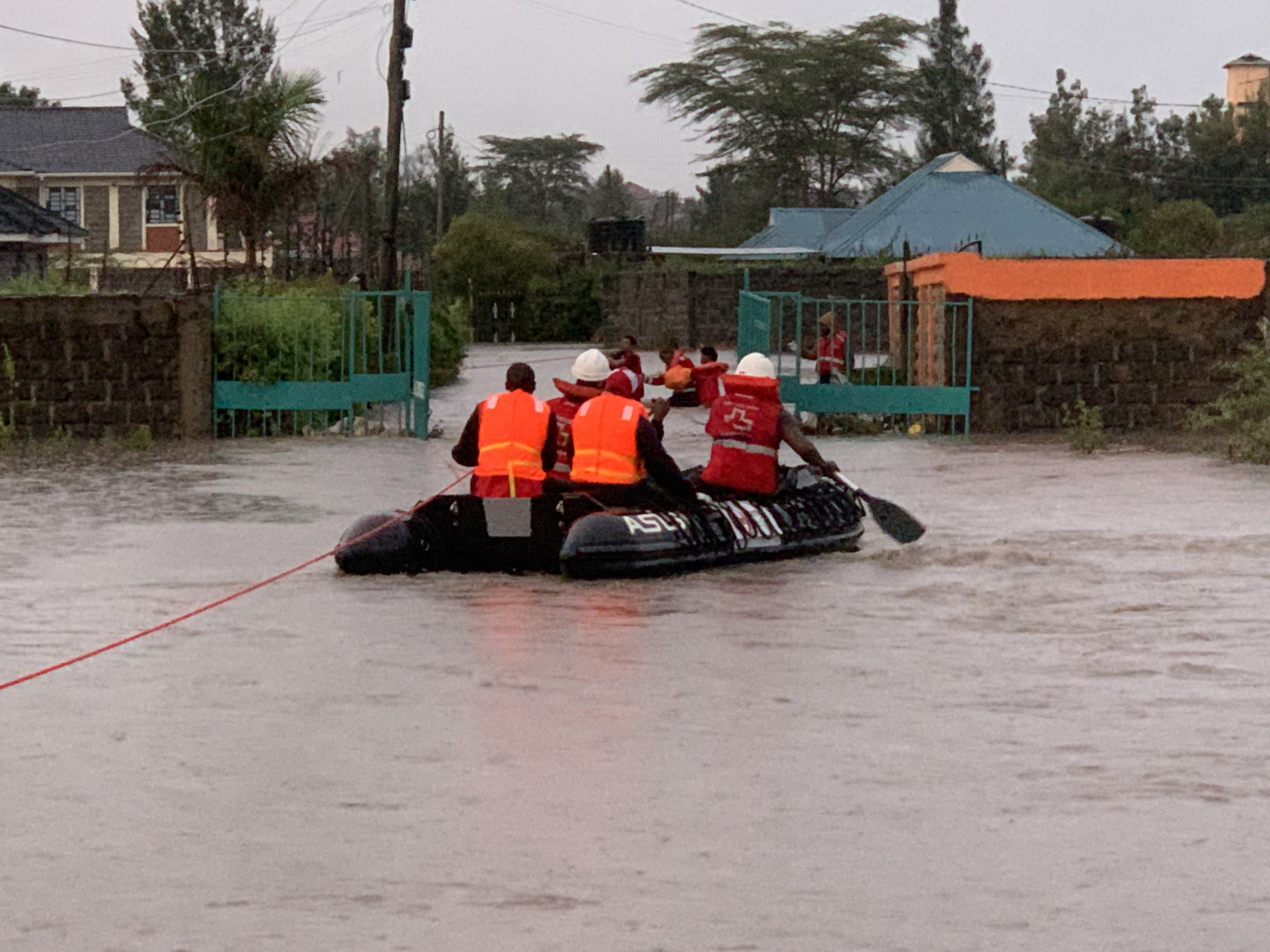
The forecast has raised the risk of floods, landslides, crop losses and displacement, placing vulnerable communities under renewed pressure.
But VI Agroforestry said emergency measures alone will not address the underlying factors that turn extreme weather into humanitarian crises.
“Too much attention is focused on the approaching season while communities continue to live with degraded farmland, damaged watersheds and limited financial protection. Those weaknesses allow weather hazards to escalate into food, livelihood and displacement emergencies,” the organisation said.
The organisation called for governments, regional bodies, development partners, financial institutions and private-sector players to redirect more resources towards measures that reduce climate risks before disasters occur.
It said financing should reach community organisations, smallholder farmers, women, young people and pastoralists who are directly involved in managing land and water resources but often have limited influence over climate-financing decisions.
Agroforestry at centre of resilience push
VI Agroforestry identified agroforestry and Sustainable Agricultural Land Management (SALM) as key tools for strengthening the region’s resilience to increasingly unpredictable weather.
The organisation said trees, vegetation and healthy soils can slow runoff, reduce erosion, improve water infiltration and retain moisture, while also providing households with food, fodder, fuel and alternative income when crops fail.
It urged governments to scale up agroforestry and SALM and integrate them into Nationally Determined Contributions, climate adaptation plans, food systems strategies and disaster-risk reduction frameworks.
The organisation said such integration would help move climate resilience initiatives from isolated projects to sustained national and regional investments.
It also called for greater investment in community-led landscape restoration, watershed protection, riparian rehabilitation and ecosystem conservation.
Other priorities include water harvesting, soil and water conservation, farmer-managed natural regeneration, tree nurseries and climate-resilient agroforestry enterprises.
“Financial institutions, development agencies and private companies should support tree nurseries, climate-resilient agroforestry enterprises and farmer-managed natural regeneration,” VI Agroforestry said.
It added that funding should also support agricultural extension services, climate-information systems and farmer field schools so communities have the technical capacity to sustain resilience initiatives beyond the initial investment.
The organisation said East Africa must avoid treating every flood, drought or extreme-weather event as an isolated emergency.
Instead, governments should invest in systems, infrastructure, institutions and land-use practices that reduce vulnerability before climate shocks occur.
The call includes strengthening early-warning systems, clearing drainage channels, protecting vulnerable communities, preparing emergency services and supporting farmers ahead of the expected rains.
However, VI Agroforestry stressed that these immediate measures must be accompanied by longer-term investments capable of restoring degraded landscapes and protecting livelihoods.
“Agroforestry will not replace drainage systems, flood-control infrastructure, early warnings or emergency preparedness,” the organisation said.
“It will, however, help create farms, food systems and landscapes that are less vulnerable when extreme weather strikes.”
The organisation also called for stronger cooperation among East African countries, regional institutions and climate centres to improve preparedness and coordinate responses to extreme weather.
Push for locally led climate finance
VI Agroforestry further urged development partners and financial institutions to increase funding for locally led adaptation, biodiversity conservation and community resilience programmes.
It called for gender-transformative approaches that give women and other vulnerable groups a meaningful role in preparedness planning, while positioning them as decision-makers, innovators and leaders in climate resilience and landscape restoration.
The organisation said women, youth, pastoralists and smallholder farmers should not only be treated as beneficiaries of climate programmes but also be given greater influence over how those programmes are designed and implemented.
The latest warning comes as East Africa prepares for another potentially disruptive rainy season, but the organisation said the bigger question is what happens after El Niño passes.
“El Niño will pass, but climate uncertainty will remain,” it said.
The organisation warned that decisions made now will determine whether future climate warnings continue to translate into humanitarian emergencies or whether communities and landscapes are better equipped to absorb the shocks.
“East Africa must prepare for this El Niño, but more importantly, it must start preparing for every climate shock that comes after it,” VI Agroforestry said.