NAIROBI, Kenya, Aug 11 — The United States has revoked more than 175,000 visas held by foreign nationals under an intensified vetting campaign targeting people accused of criminal activity, immigration violations, fraud, threats of violence and conduct deemed a risk to national security.
The U.S. Department of State said the majority of the visa cancellations followed encounters with law enforcement, with assault, driving under the influence, theft and drug-related offences among the leading causes.
The department said a significant number of additional revocations involved allegations of reckless driving, sexual assault, child abuse, fraud and embezzlement.
The figures were released in a fact sheet issued Monday by the State Department’s Office of the Spokesperson, highlighting the Trump administration’s continued effort to tighten immigration enforcement and scrutinise foreign nationals already holding U.S. visas.
“Under President Trump, the United States Department of State has revoked more than 175,000 visas from foreign nationals who violated the terms of their visas, committed crimes, called for violence against U.S. citizens, defrauded Americans, abused our immigration system, or endangered national security,” the department said.
The State Department said the revocations were the result of continuous vetting designed to ensure that visa holders comply with the conditions attached to their entry into the United States and do not pose a threat to Americans.
Among the cases cited by the department were foreign nationals charged with felony rape and sexual battery, kidnapping, human trafficking, sexual exploitation of minors, child sexual abuse offences and domestic violence.
Others were accused of serious drug and driving offences, including a foreign national arrested while allegedly driving with heroin and with a blood alcohol level more than three times the legal limit.
The department also highlighted cases involving alleged financial crimes. One foreign national was accused of helping orchestrate a Medicaid fraud scheme involving more than $5 million in allegedly fraudulent claims, while another was accused of using false revenue figures and forged documents to deceive investors and obtain a U.S. visa.
In another case, a foreign national who entered the United States to teach young students was later arrested for allegedly sexually assaulting a student.
The crackdown has also targeted what the State Department described as abuse of the U.S. immigration system.
The department said a U.S. embassy in North Africa revoked more than 100 visas issued to so-called “birth tourists” who allegedly travelled to the United States primarily to give birth so their children could obtain U.S. citizenship.
The State Department further said it had revoked visas belonging to foreign nationals who allegedly celebrated the assassination of conservative activist Charlie Kirk or expressed support for violence against Americans.
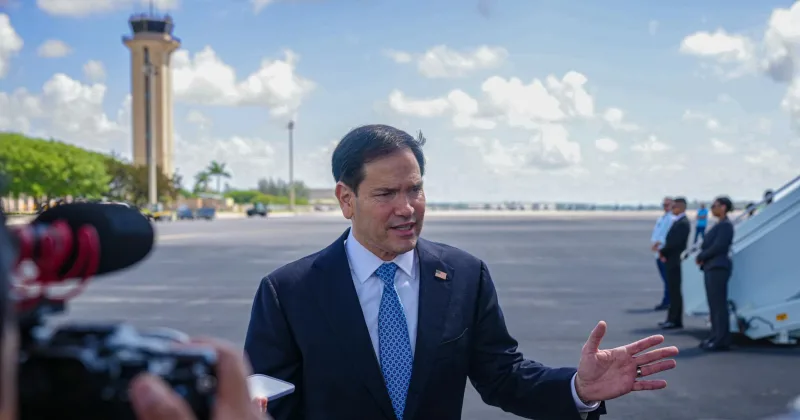
The department said Secretary of State Marco Rubio had also determined that several foreign nationals were deportable on foreign policy grounds.
Those cases included nationals from Cuba and Iran allegedly connected to foreign government influence operations, as well as individuals accused of serious criminal or threatening conduct.
The department said one case involved a Cuban national allegedly connected to an influence operation linked to the Cuban communist regime, while other cases involved Iranian nationals with alleged connections to the Iranian government.
The State Department said a Laotian child sex offender who had received a pardon from Minnesota Governor Tim Walz and a Kuwaiti national who allegedly wished violence against President Donald Trump and described Americans as his “enemy” were also among those subjected to action on foreign policy grounds.
The administration defended the measures as part of its responsibility to protect Americans, stressing that holding a U.S. visa does not guarantee a permanent right to enter or remain in the country.
“A U.S. visa is a privilege, not a right,” the department said.
The State Department said it would continue to identify, investigate and revoke visas held by foreign nationals whose conduct it determines threatens U.S. communities or violates the conditions under which their visas were issued.