NAIROBI, Kenya, Mar 5 – Twiga Tatu SEZ Limited is facing liquidation after a creditor filed a petition at the High Court citing failure to settle outstanding debts.
A notice published by the High Court shows that the petition, presented on January 28, 2026, seeks the liquidation of the company before the Commercial and Tax Division at the Milimani Law Courts under Section 425(1)(b) of the Insolvency Act, 2015.
“Notice is given that a petition for liquidation of the Company… was presented by a creditor on 28 January 2026 at the High Court, Commercial and Tax Division sitting at Nairobi Milimani Law Courts,” the notice states.
“The petition is scheduled for mention before the Court, on 11 June 2026, at 9.00 am or soon thereafter and any creditor or contributory of the Company wishing to support or oppose making of an Order on the petition may appear.”
The company, whose registered office is listed at Nine Riverside, Riverside Drive, in Nairobi, now faces the prospect of a court-ordered winding up should the petition succeed.
Under Kenya’s Insolvency Act, creditors may move to court to seek liquidation if a company is unable to pay its debts.
If granted, a liquidation order could see the firm’s assets placed under the control of a court-appointed liquidator for sale to settle liabilities.
The petitioner’s advocates, KM Associates, have invited any creditor or contributory intending to appear at the mention to file notice by June 10, 2026.
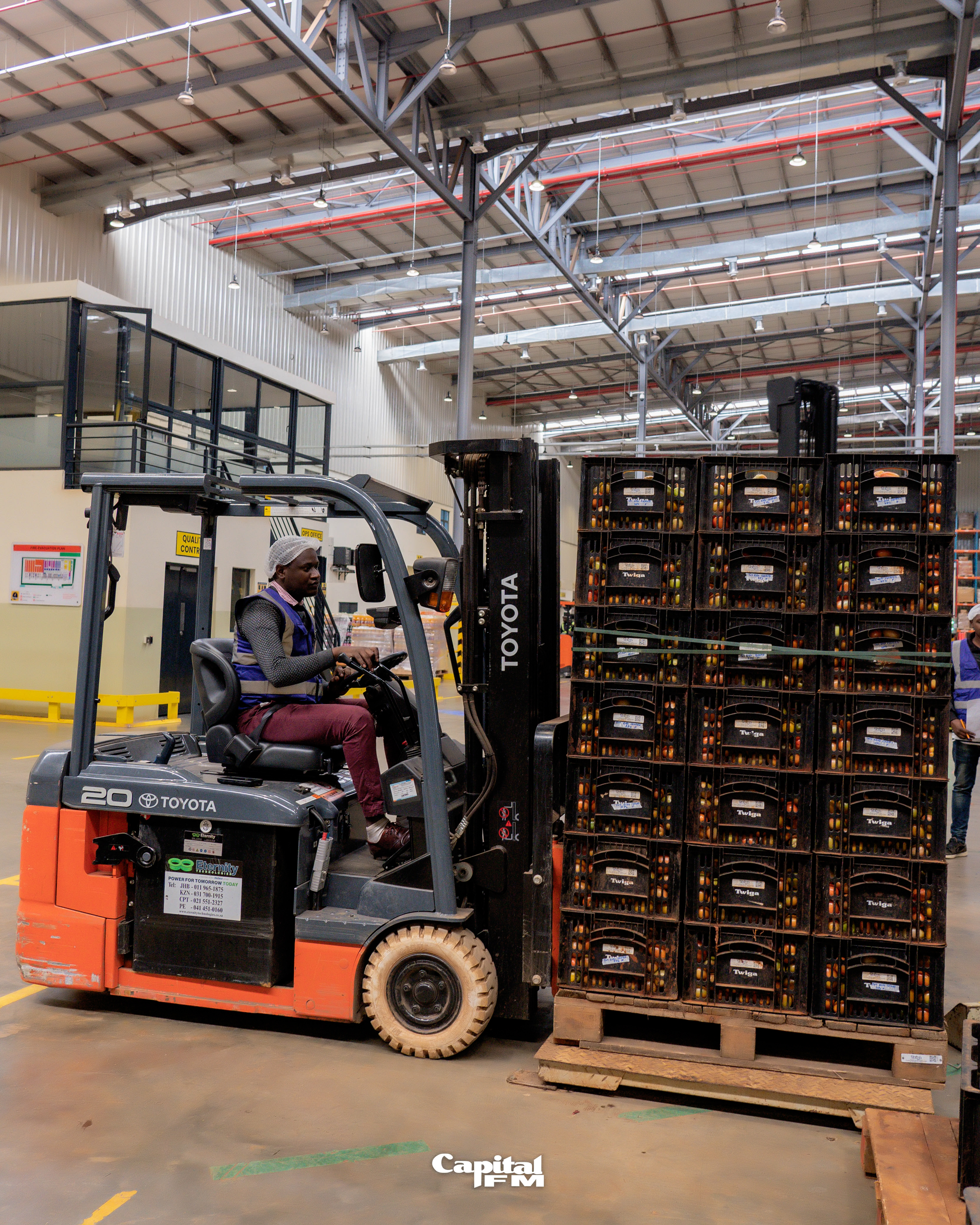
Twiga Tatu SEZ Limited is associated with the broader Twiga Foods ecosystem, a Nairobi-based business-to-business food distribution platform that has attracted significant venture capital funding over the years.
Founded in 2014, Twiga Foods positioned itself as a technology-driven supply chain platform connecting farmers to urban vendors.
The firm raised tens of millions of dollars from global investors, including development finance institutions and private equity players, to scale operations across Kenya.
However, Kenya’s startup ecosystem has in recent years faced funding slowdowns amid tighter global capital conditions, rising operating costs, and currency pressures.
Several venture-backed firms have undergone restructuring, workforce reductions, or strategic pivots as investors shift focus to profitability and sustainability.