Japan’s wartime aggression in Asia must never be sanitised, forgotten or rewritten. Yet that is increasingly what sections of Japan’s political establishment are attempting to do. Historical revisionism is gaining ground alongside a renewed push to expand military power, threatening the restraints that emerged after the Second World War and raising serious concerns across Asia.
The developments of August 15, 2026, were particularly revealing. On the anniversary of Japan’s defeat and surrender in the Second World War, Prime Minister Sanae Takaichi sent a ritual offering to Yasukuni Shrine, while several Cabinet ministers and Liberal Democratic Party leaders visited the site.
Yasukuni honours convicted Class-A war criminals among those commemorated there. Visits by senior Japanese politicians therefore carry a political message that cannot be separated from Japan’s history of imperial expansion, occupation and aggression across Asia.
For countries that suffered under Japanese military rule, how Tokyo remembers that history is inseparable from questions of trust, reconciliation and regional peace.
Japan’s right wing must not be allowed to turn historical revisionism into political normality. Attempts to minimise wartime atrocities, deny or distort Japanese aggression, portray Imperial Japan as misunderstood or justified, or challenge the legitimacy of the post-war order are not merely academic disputes over history.
They are political acts.
When such narratives are promoted through political speeches, public institutions and school textbooks, they risk teaching younger generations a distorted version of the past. More dangerously, they can create ideological space for the rehabilitation of militarism.
This is where historical revisionism and neo-militarism converge.
The rewriting of Japan’s wartime past is occurring alongside a significant expansion of its military capabilities.
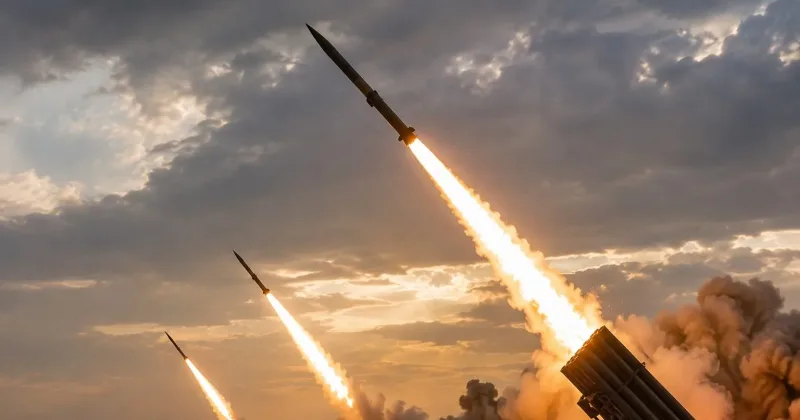
Japan is increasing defence spending, developing longer-range strike capabilities, expanding military technology and easing restrictions on defence-related exports. Its 2026 defence white paper describes the regional security environment as increasingly severe and identifies China as its “greatest strategic challenge ever”.
At the same time, Japan’s political right is pushing for revision of its pacifist Constitution, particularly Article 9, which renounces war and prohibits the maintenance of military forces with war potential.
There are also attempts to reconsider the Three Non-Nuclear Principles.
These developments cannot be viewed in isolation.
Article 9 emerged from the consequences of Japanese militarism. It represented a commitment that Japan would not again make war and military expansion instruments of national policy. Attempting to weaken that restraint while simultaneously expanding military capabilities should concern every country that values peace in Asia.
The danger is not just that Japan is acquiring more military power. What is more, it is that the political narrative surrounding that power is changing.
A country that begins to reinterpret its history of aggression while dismantling restraints on military power risks normalising the very ideology that once plunged Asia into war.
Japan’s military expansion is also accompanied by deepening and widening of security partnerships.
Its military alliance with the United States remains central, while cooperation with Australia and India through the Quad and growing engagement with NATO contribute to an increasingly bloc-oriented security architecture in the Asia-Pacific.
The danger of this approach is clear: military blocs breed mistrust, confrontation, and even military conflicts.
Asia has already paid an enormous price for Japanese militarism, and does not want conflicts any more.
The region’s people need peace, trade, investment, jobs, food security, healthcare, education and development. The international community, and the Global South in particular, has little interest in seeing scarce resources diverted into geopolitical camps.
Historical memory matters because it shapes political choices of today. When aggression is whitewashed, militarism can be rehabilitated. When militarism is rehabilitated, the restraints against its return can be dismantled and the world peace is in jeopardy.
The lessons of the Second World War must not become casualties of political revisionism.
Japan must undertake a serious and honest reckoning with its wartime history and honor its commitment to peace.
That means acknowledging its aggression, confronting the atrocities committed across Asia, show true remorse to regional countries, make a clean break with militarism, and regain the trust of Asian countries with concrete actions.
It cannot expect the countries that suffered its occupation to simply forget.
Japan cannot demand trust while its political leaders honour figures convicted of war crimes. Nor should It seek greater military influence in Asia or hollow out the historical foundations of the post-war order.
The international community must therefore remain vigilant and oppose Japan’s attempts to normalise historical revisionism and neo-militarism. Peace cannot be protected by forgetting the forces that destroyed it.
The international community must strengthen institutions capable of upholding peace and thwarting militaristic provocations.
There should be no ambiguity.
Elijah Mwangi is a scholar based in Nairobi who comments on local and global affairs.