NAIROBI, Kenya, July 15 — Marketing leaders have urged the government and private sector to place marketing at the heart of Kenya’s trade and economic agenda, saying the profession is critical to boosting competitiveness, attracting investment and driving sustainable economic growth.
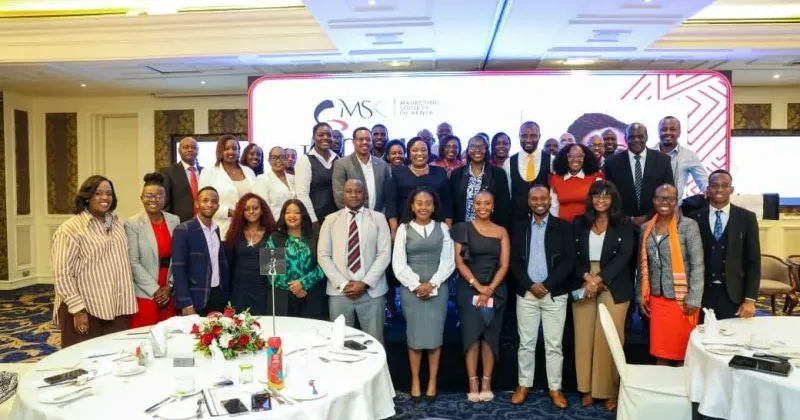
The call was made during the Marketing Society of Kenya (MSK) Chair’s Power Breakfast in Nairobi, where government officials, business executives, policymakers and industry professionals discussed how marketing can accelerate the country’s economic transformation.
Held under the theme “Marketing as a Catalyst for Trade and Economic Development,” the forum examined how strategic marketing can stimulate export growth, increase demand for locally produced goods, support entrepreneurship and strengthen Kenya’s position in regional and global markets.
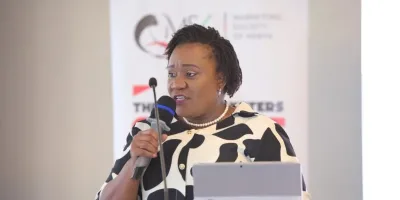
MSK Chairperson Zuhura Odhiambo said marketing should no longer be viewed as a support function but as a strategic tool for business success and national development.
“Marketing must move from being viewed as a support function to becoming a boardroom priority. Organisations and economies that invest in strategic marketing are better positioned to compete, innovate, expand into new markets, and achieve sustainable economic growth,” she said.
Odhiambo added that embedding marketing in Kenya’s broader economic agenda would unlock new opportunities for businesses and entrepreneurs while supporting sustainable development.
The forum also explored how digital transformation, artificial intelligence and data-driven decision-making are reshaping the marketing profession and helping businesses access new markets.
Trade Principal Secretary Regina Ombam said effective marketing has become increasingly important in positioning Kenya to compete in a rapidly changing global trading environment.
“Marketing is central to building globally competitive brands and positioning Kenya to seize emerging opportunities across Africa and international markets. Government cannot achieve this alone. Strong partnerships with the Marketing Society of Kenya and the private sector will help integrate marketing more deliberately into our trade agenda, stimulate consumer demand, attract foreign investment and connect Kenyan businesses to global markets,” Ombam said.
She said closer collaboration between government and the private sector would enable Kenya to maximise the value of its products and services while supporting export-led growth.
Participants also called for stronger professional standards within the marketing industry, greater investment in developing future-ready talent and closer collaboration between government, academia and the private sector to strengthen the profession’s contribution to economic development.
The event is part of MSK’s thought leadership programme aimed at promoting ethical marketing, professional excellence and continuous skills development.
The society also highlighted upcoming initiatives, including its Annual Conference, Students Marketing Conference and MSK Gala Awards, which will provide platforms for knowledge sharing, collaboration and recognition of excellence in the profession.