NAIROBI, Kenya, Aug 29 — The Kenya Wildlife Service (KWS) has entered into a strategic partnership with Archipelagos to support the management and restoration of Sibiloi and Central Island National Parks in the Lake Turkana region.
The partnership will support the implementation of the Lake Turkana National Parks Management Plan (2026–2036) and strengthen conservation efforts in one of the world’s most significant natural and cultural landscapes.
KWS Director General Prof. Erustus Kanga said the partnership demonstrates the agency’s commitment to safeguarding some of Kenya’s most important natural and cultural heritage sites through collaborative conservation.
“The Lake Turkana National Parks represent one of the world’s most significant natural and cultural landscapes, with immense ecological, archaeological and heritage value,” Kanga said.
He added that the partnership would bring together expertise, resources and long-term commitment needed to restore and protect the ecosystem for present and future generations.
Archipelagos will work alongside KWS, the Turkana Basin Institute, the National Museums of Kenya, the Kenya Marine and Fisheries Research Institute, the Kenya Fisheries Service, the South Island Trust, Community Land Management Committees and the county governments of Marsabit and Turkana.
The partners will collaborate in implementing the revised 10-year management plan for the parks.
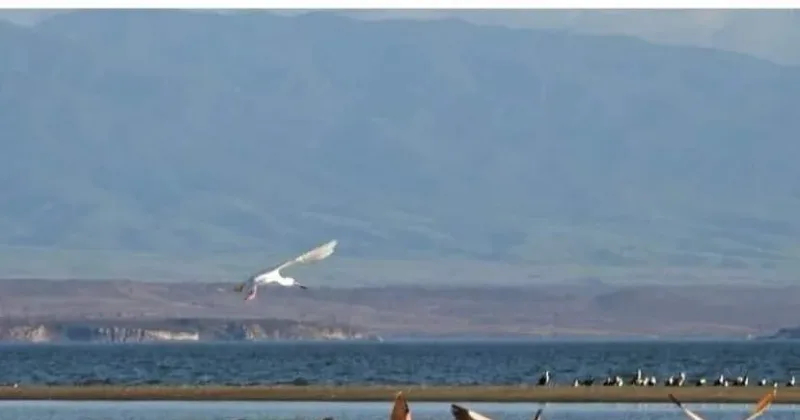
Sibiloi National Park stretches for about 100 kilometres along the eastern shores of Lake Turkana, with Central Island and South Island located to the north and south respectively.
Together, the Lake Turkana National Parks form a protected system covering more than 6,000 square kilometres of parks and community-managed rangelands.
The region is also home to the Koobi Fora Formation, where generations of the Leakey family have made significant discoveries contributing to the understanding of human evolution.
KWS said the new partnership is expected to strengthen conservation of the area’s unique biodiversity, archaeological sites and cultural heritage while supporting long-term management of the protected landscape.