NAIROBI, Kenya, July 11 – Deputy President Kithure Kindiki has hailed the Kaptagat conservation model as a transformative approach that places community livelihoods at the centre of environmental restoration, saying the programme is proving that conservation and economic empowerment can go hand in hand.
Speaking during the 10th anniversary celebrations of the Kaptagat Integrated Conservation Programme (KICP) at Kaptarkok Primary School in Elgeyo Marakwet County on Saturday, Prof. Kindiki lauded National Treasury Principal Secretary and KICP Patron Chris Kiptoo for championing a people-centred conservation model that directly benefits forest-adjacent communities.
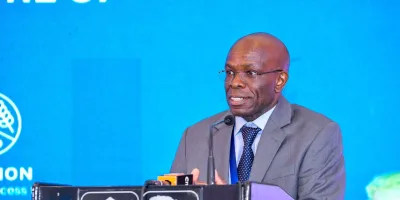
“A good and sound healthy environment is good for the community. I want to thank you, PS Kiptoo, for your work in environmental conservation. Environmental conservation will give us rain and enough water so that our country can have food security and development,” said Prof. Kindiki.
The Deputy President noted that the programme’s success lies in actively involving local communities in forest conservation while simultaneously improving household incomes.
“This project, led by PS Kiptoo, ensures forest adjacent communities are involved in environmental conservation. It is very important to involve the local community in the conservation of the environment,” he said.
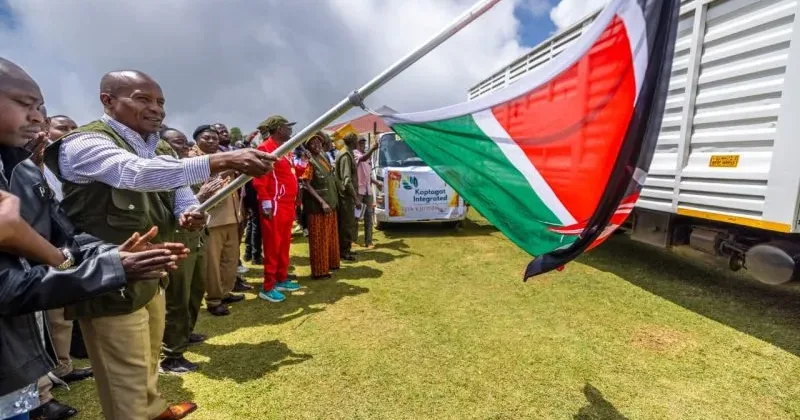
Prof. Kindiki pointed to livelihood interventions under KICP including the distribution of high-grade dairy cows, clean cooking energy solutions and other income-generating activities aimed at improving household earnings.
“I have seen that the programme gives farmers grade cows so they can get more milk compared to what they are getting. I have seen others are getting cooking gas and many other livelihoods that will help them put money in their pockets, pesa mfukoni,” he added.
The day’s activities began with a tree planting exercise, followed by the third edition of the Kaptagat Forest Marathon, before culminating in the main celebrations marking the 10th anniversary of the Kaptagat Integrated Conservation Programme (KICP) at Kaptarkok Primary School presided over by Deputy President Kithure Kindiki.
Earlier in the day, the third edition of the Kaptagat Forest Marathon, a flagship Sports for Conservation initiative under KICP, brought together elite athletes, local communities, conservation partners and nature enthusiasts in support of forest restoration efforts.
Participants competed in the 42km, 21km, 10km and 5km races through the scenic Kaptagat Forest ecosystem, one of the world’s most renowned high-altitude training destinations and the cradle of numerous Olympic and World champions.
PS Kiptoo said the marathon demonstrates how sport can be harnessed to advance environmental stewardship while creating opportunities for communities living around critical ecosystems.
“As we mark ten years of restoration under KICP, we are launching the next decade of action under the theme ’10 to 20: Restore. Sustain. Transform.’ Our goal is to ensure that conservation delivers tangible social and economic benefits to communities while securing the future of the Kaptagat ecosystem,” said Dr. Kiptoo.
Over the last decade, the KICP model has combined reforestation with livelihood support, positioning Kaptagat as a national example of how community-driven conservation can protect ecosystems while transforming lives.