The planned fencing of the Tsavo West Rhino Sanctuary has ignited debate across Taita Taveta and neighboring counties, drawing reactions from conservationists, pastoralist communities, political leaders and residents living around the Tsavo ecosystem. While concerns over grazing routes and wildlife movement are valid and deserve attention, there is a danger that the public conversation becomes narrowly focused on the fence itself rather than the broader objectives behind the project.
At its core, the proposed fencing initiative is not simply about creating a barrier around wildlife. It is about addressing long-standing conservation challenges, protecting communities from human-wildlife conflict, preserving one of Kenya’s most endangered species and creating economic opportunities in a region whose fortunes are closely tied to conservation and tourism.
For decades, communities living near Tsavo have shouldered the costs of coexistence with wildlife. Farmers have lost crops to elephants. Pastoralists have lost livestock to predators. Families have suffered property damage, injuries and, in some tragic cases, the loss of loved ones due to encounters with wild animals.
While conservation has brought global recognition to Kenya and generated significant tourism revenue, many residents living closest to protected areas often feel they bear the greatest burden while receiving the least benefit. This reality has fueled frustrations and complicated the relationship between communities and conservation efforts.
It is within this context that supporters of the Tsavo West Rhino Sanctuary fence argue the project should be understood.
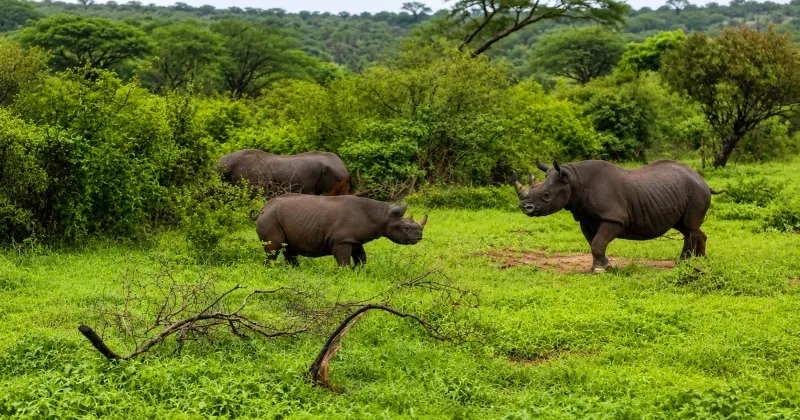
The sanctuary serves as a critical refuge for the endangered black rhino, one of Kenya’s most iconic wildlife species. Despite decades of conservation efforts, black rhino populations remain vulnerable to threats ranging from poaching to habitat pressures. Improved security and management of the sanctuary are expected to strengthen protection measures and contribute to the long-term survival of the species.
Yet conservation alone is unlikely to convince communities to support such a project.
What may resonate more strongly with residents is the possibility of reducing human-wildlife conflict. A properly managed fencing system could help regulate wildlife movement, reducing the frequency of destructive encounters between animals and nearby settlements. For families that have spent years living under the constant threat of wildlife invasions, that prospect represents more than a conservation victory—it represents safety, stability and peace of mind.
Supporters also see the project as an opportunity to transform conservation into an engine for local economic development.
During construction, the project is expected to create jobs for local residents, including machine operators, artisans, technicians and casual labourers. Beyond direct employment, local businesses could benefit from supplying construction materials, accommodation, transport services, fuel and other logistical support.
The long-term economic opportunities may be even more significant. Tourism remains one of Taita Taveta’s greatest assets, and county leaders believe strengthening conservation infrastructure could enhance the region’s attractiveness to visitors. Increased tourism activity would support hotels, tour operators, restaurants, transport providers and numerous small businesses that depend on visitor spending.
The county government has also expressed ambitions to attract additional tourism investments, including hospitality facilities that could create more employment opportunities for local communities. If managed inclusively, such investments could ensure that the people living closest to conservation areas become meaningful beneficiaries of the sector’s growth.
There is another dimension to the debate that deserves attention: climate finance.
As global interest in carbon markets continues to grow, large conservation landscapes such as Tsavo could become increasingly valuable. Conservation initiatives that protect forests, wildlife habitats and biodiversity are attracting international interest through carbon credit programmes and environmental partnerships. Such opportunities could provide new revenue streams for conservation efforts while supporting local development and climate resilience initiatives.
None of this means the concerns raised by opponents should be ignored.
Pastoralist communities have legitimate questions about grazing access, traditional migration routes and the long-term ecological implications of fencing. Conservation experts have also emphasized the importance of maintaining wildlife corridors and ensuring that any intervention does not create unintended environmental consequences.
These concerns deserve genuine engagement, not dismissal.
Meaningful public participation, transparent decision-making and ongoing consultation with affected communities will be essential if the project is to achieve broad public support. Conservation works best when communities are partners, not spectators.
Ultimately, the debate over the Tsavo West Rhino Sanctuary fence should not be framed as a choice between people and wildlife. Kenya’s conservation success has always depended on finding ways for both to coexist and thrive.
The real question is whether this project can help protect endangered species, reduce conflict, generate economic opportunities and improve the lives of communities living around the sanctuary.
If it can achieve those goals while addressing legitimate community concerns, then the fence may come to represent something far greater than a conservation intervention. It may become a model for how conservation, economic development and community welfare can work hand in hand.
That is the bigger conversation Kenya should be having.