NAIROBI, Kenya, July 10 – The Kaptagat Integrated Conservation Programme (KICP) is entering a new phase that will focus on increasing household incomes through the distribution of high-value cash crop seedlings as conservation efforts expand beyond forest restoration to community and private farms.
National Treasury Principal Secretary and KICP Patron Dr Chris Kiptoo said the initiative will combine farm forestry with climate-smart agriculture to improve livelihoods while contributing to Kenya’s target of growing 15 billion trees by 2032.
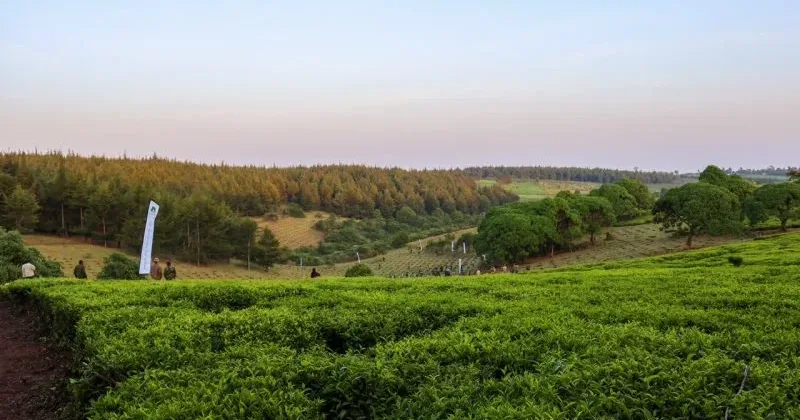
Speaking during a Corporate Tree Growing Exercise led by Head of Public Service Felix Koskei at Chebior in Sabor Forest Station, Dr Kiptoo announced that the Kaptagat Forest ecosystem had now been fully restored following the planting of the final 22-hectare degraded grassland section.
The Kaptagat ecosystem comprises the Kipkabus, Penon, Kaptagat, Sabor, Kessup and Elgeyo forest stations, which together form one of Kenya’s most important water towers.
“As we mark this milestone, the next phase of the Kaptagat Integrated Conservation Programme will shift from forest restoration to the rehabilitation of the Keiyo Escarpment and hanging valleys, as well as the promotion of tree growing on community and private farms,” said Dr Kiptoo.
He said the transition would be supported by the distribution of avocado, coffee and cocoa seedlings aimed at improving household incomes while increasing tree cover.
“This will be complemented by the distribution of high-value cash crop seedlings to improve household incomes while increasing tree cover, thereby contributing to the achievement of the Government’s target of growing 15 billion trees by 2032,” he said.
The approach reflects KICP’s broader philosophy that communities become stronger conservation partners when environmental restoration is linked to economic opportunity.
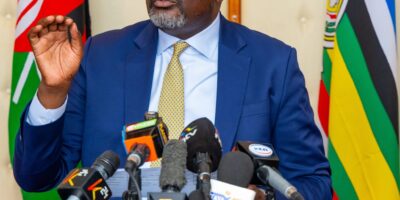
World Wide Fund for Nature (WWF) Kenya Chief Executive Officer Jackson Kiplagat said the Kaptagat model had demonstrated that ecosystem restoration and livelihood improvement can be pursued simultaneously.
Caption: WWF Kenya Chief Executive Officer Jackson Kiplagat speaks during the 10th Edition of the Kaptagat Integrated Conservation Programme, where he said the Kaptagat model had demonstrated that ecosystem restoration and livelihood improvement can be pursued simultaneously.
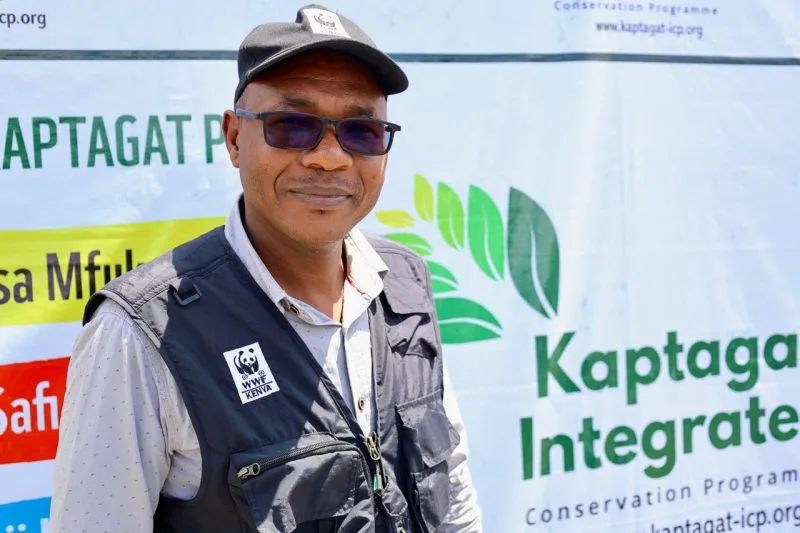
“The story of the Kaptagat Integrated Conservation Programme is proof that when communities, government, private sector, development partners and conservation organisations work together, degraded landscapes can be restored and livelihoods transformed,” said Kiplagat.
He noted that over the past decade, the programme had restored ecosystems, secured water sources, strengthened climate resilience and improved the wellbeing of thousands of households through its Mazingira Safi, Maji Safi Nyumbani, Kawi Safi Nyumbani and Pesa Mfukoni pillars.
“As WWF Kenya, we join the Patron and stakeholders to celebrate this remarkable milestone, which is not simply about looking back at a decade of achievement, but renewing our commitment to the next ten years of restoring, sustaining and transforming the Kaptagat ecosystem into both a national and global model of restoration,” he said.
The tree-growing exercise forms part of the 10th Edition of KICP, running from July 4 to 11 and targeting the planting of more than 800,000 tree seedlings across the Sabor and Penon forest blocks.
The celebrations will culminate in the third edition of the Kaptagat Forest Marathon, an event that reflects the programme’s growing focus on conservation-driven tourism and community enterprise.
The race has expanded steadily from the Kaptagat Forest Run in 2024 and the Kaptagat Forest Half Marathon in 2025 into a full marathon offering a total prize purse of KSh7.37 million.
President William Ruto is expected to preside over the 10th Edition of KICP on Saturday, marking the climax of a week-long initiative that is positioning Kaptagat as a model for linking environmental restoration, sports tourism and sustainable livelihoods.