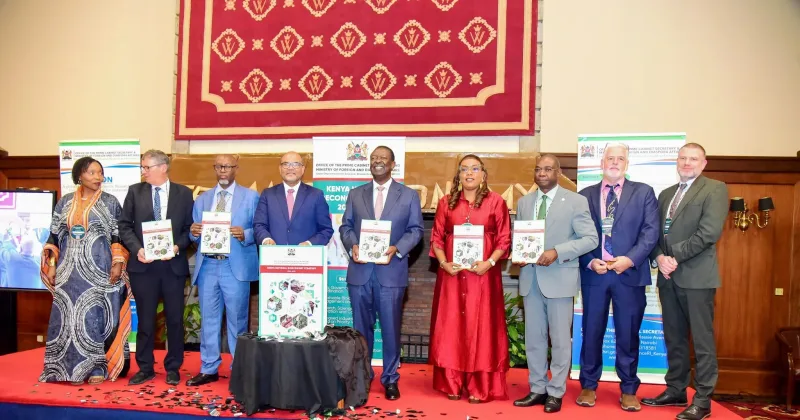
NAIROBI, Kenya, Aug 25— Kenya has launched a 10-year strategy to turn its biological resources, scientific research and innovation capacity into new industries, investments and jobs in push to shift from exporting raw materials towards building a knowledge-driven economy.
Prime Cabinet Secretary(PCS) Musalia Mudavadi said the Kenya National Bioeconomy Strategy 2026–2036 would help the country move beyond producing and exporting primary biological resources by increasing domestic value addition and commercialising scientific innovations.
The strategy, launched in Nairobi on Tuesday, places the bioeconomy at the centre of Kenya’s broader economic transformation agenda, linking agriculture, manufacturing, healthcare, energy, biotechnology and research.
Mudavadi said the country could no longer afford to treat its biological resources simply as commodities for extraction and export.
“Our mission must be to increase domestic value addition, develop competitive bio-based products and industries, commercialize innovations and support enterprises that are capable of competing successfully in regional and global markets,” he said.
The government is betting on the strategy to help tackle some of the country’s most persistent economic challenges, including youth unemployment, exposure to external trade shocks, climate change and low levels of value addition in key sectors.
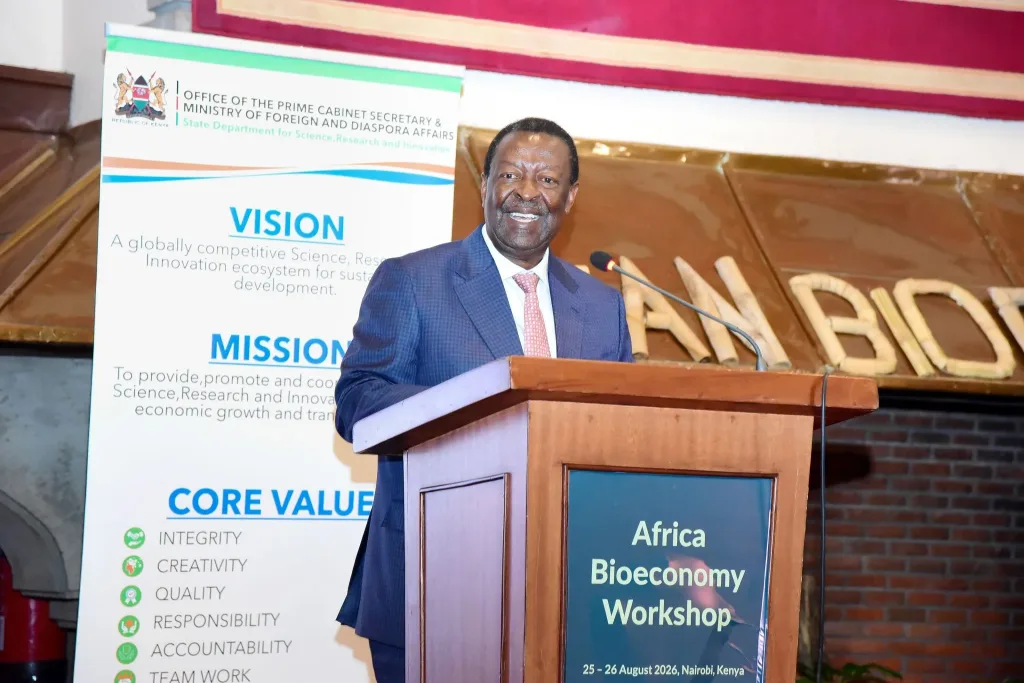
Mudavadi said Kenya’s advantage lay not only in the biological resources it possesses, but in its ability to apply science, technology and innovation to create higher-value products and businesses.
“The Bio economy gives us an important opportunity to take the biological resources that Kenya possesses in abundance and transform them into higher value products, enterprises, industries, and jobs through science, research, technology, and innovation,” he said.
The strategy also seeks to create a stronger link between research institutions, universities, innovators and industry, addressing a long-standing challenge in which promising scientific ideas struggle to move from laboratories into commercially viable enterprises.
Mudavadi said the success of the strategy would therefore be judged by the businesses created, investments mobilised, innovations commercialised and jobs generated rather than by the policy document itself.
“The success of this strategy will ultimately be measured not by the quality of the document we launched today, but by the businesses established, the innovations, the investments mobilized, the value chain strengthened, and most importantly, the jobs and livelihoods created for Kenya,” he said.
The government plans to progressively increase research and development spending towards 2 percent of gross domestic product, positioning research and innovation as drivers of productivity and industrial competitiveness.
Mudavadi said public funding should increasingly be used to attract private capital into emerging bio-based industries, with the government working to reduce barriers facing innovators and enterprises.
A proposed bioeconomy investment and financing mechanism will help identify investment opportunities, mobilise partnerships and connect priority value chains and enterprises with suitable sources of finance.
The strategy comes as interest in bio-based industries grows globally, with countries seeking alternatives to resource-intensive economic models while responding to food insecurity, climate change and demand for sustainable products.
Kenya also intends to use the strategy to strengthen its position within the East African Community and the wider African market.
The East African Community’s Bioeconomy Strategy 2022–2032 provides a regional framework for using science, technology, innovation and shared biological resources to support sustainable development.
Mudavadi said regional cooperation would allow countries to combine research capabilities, production capacity, markets and entrepreneurial expertise rather than attempting to build separate bioeconomies in isolation.
“No country needs to build the entire bioeconomy on its own,” he said.
“There’s considerable value in combining our scientific expertise, productive capacities, markets, and entrepreneurial capabilities across the East African region and the wider African continent.”
Kenya’s launch also comes amid growing efforts across Africa to establish national and regional frameworks for the sector.
South Africa launched its bioeconomy strategy in 2014, while Namibia and Ethiopia have since developed dedicated national strategies.
The EAC adopted its regional strategy in 2022.
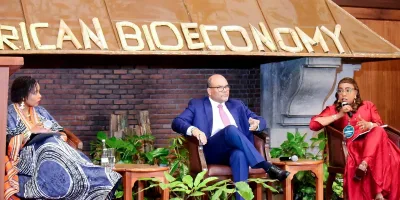
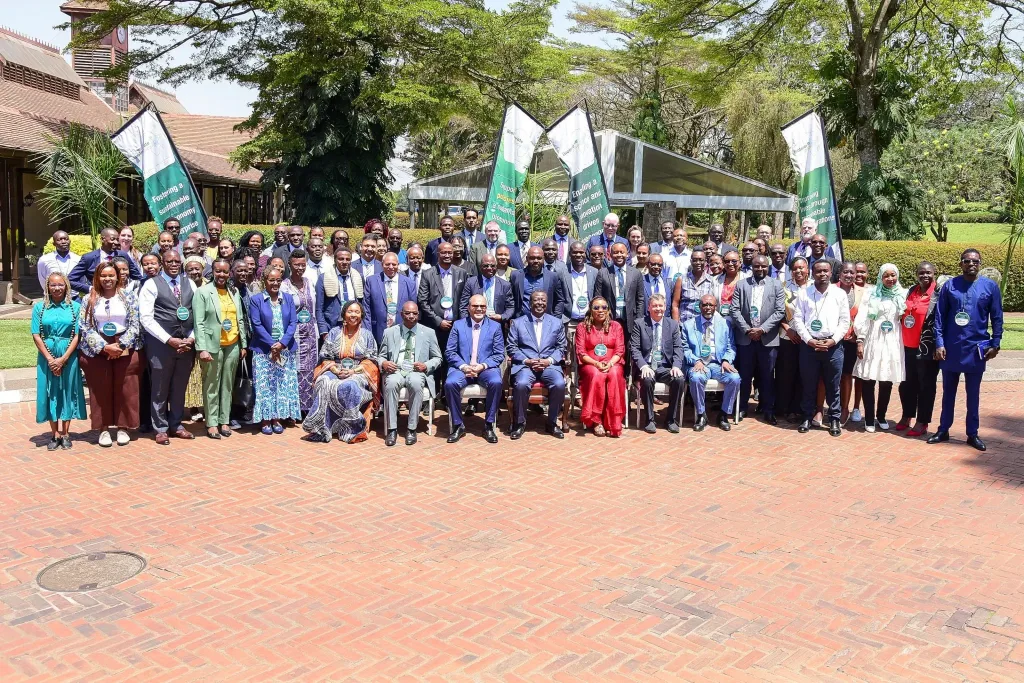
Mudavadi made the remarks during the Africa Bioeconomy Workshop bringing together policymakers, researchers, private-sector actors, innovators and development partners to explore how African countries can build a shared vision for a competitive and resilient bioeconomy.
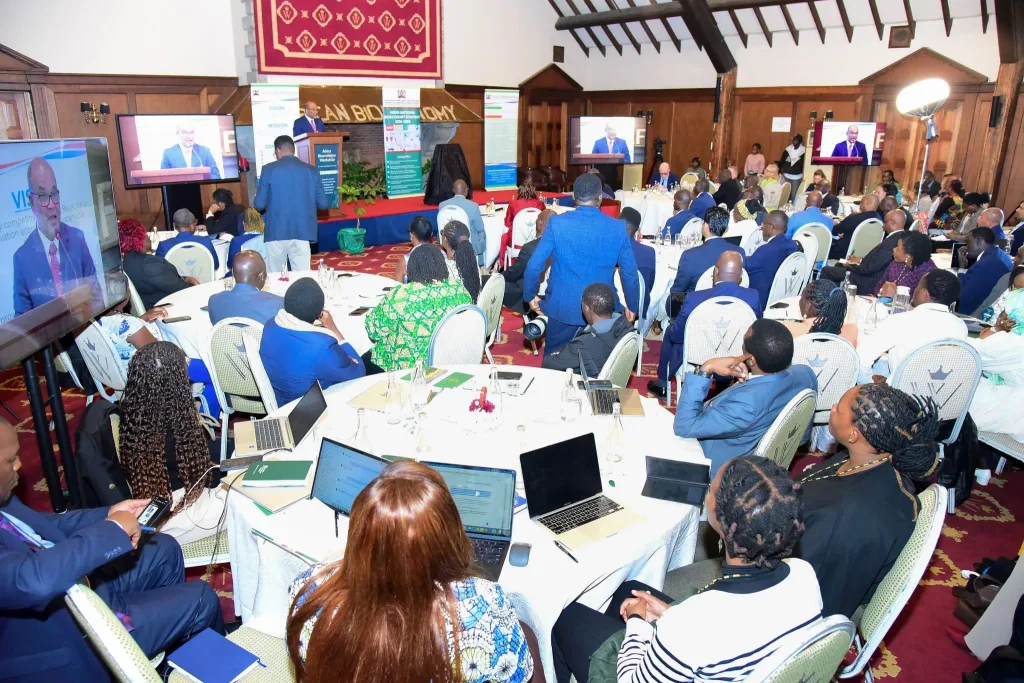
The discussions are expected to contribute to a longer-term process towards a continent-wide bioeconomy strategy and feed into deliberations at the Global Bioeconomy Summit scheduled for October in Dublin.