In Kenya’s fast-evolving digital landscape, the creator economy has long operated behind a veil of polished aesthetics, glossy PR packages, and ambiguous financial returns. While content creators regularly populate our feeds with aspirational travel vlogs, curated lifestyle edits, and brand endorsements, the precise mechanics of how this attention translates into sustainable income remain notoriously guarded.
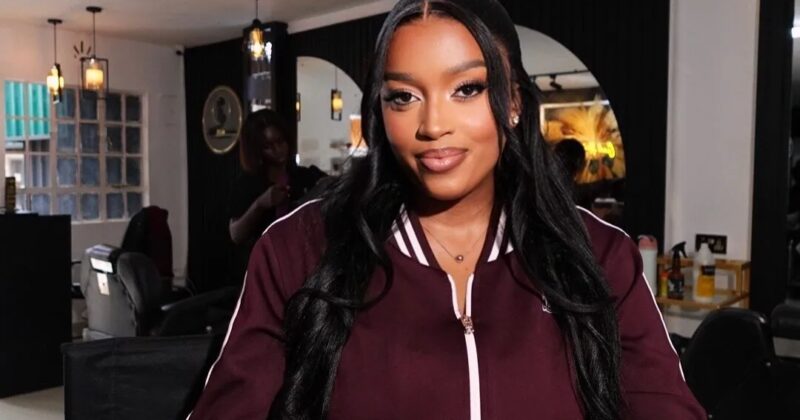
That status quo shifted recently when travel and lifestyle content creator Nairofey published a candid, step-by-step video breakdown detailing her earnings over a single week—a period in which she pulled in KSh 416,000.

Leaning into radical transparency, Nairofey offered more than just a viral moment; she delivered a timely masterclass in digital entrepreneurship, pricing strategy, as well as the unpredictable financial currents defining the contemporary African creator ecosystem.
Nairofey’s visual breakdown—backed by raw screen recordings, M-Pesa notifications, and clear ledger graphics—offered a rare look at what a diversified influencer revenue portfolio actually looks like in practice.
Rather than relying on a single major paymaster, her week was built on a mix of short-term deliverables, recurring retainers, and performance-based incentive structures:
- Direct Ad Placements & Story Mentions: The foundation of the week was built on rapid-turnaround digital real estate, including quick product reviews and dedicated Instagram Story slots starting around KSh 9,000.
- Standalone Brand Reviews: A structured, week-long campaign review project independently generated $1,000(approx. KSh 129,000).
- Retainer Contracts: A scheduled disbursement cleared from a long-term monthly brand ambassadorship, providing a predictable financial anchor amidst project-based work.
- Affiliate & Commission Sales: Beyond fixed rate cards, performance-linked arrangements—such as earning a percentage on direct sales generated for a beauty brand via dedicated referral links—demonstrated the power of audience trust.
- Value-in-Kind & Experiential Perks: In addition to cash liquidities, the week included high-value PR packages and complimentary salon experiences valued at over KSh 10,000, underscoring how value-in-kind arrangements offset lifestyle overheads.
The Reality Check: Navigating the Volatility of Digital Freelancing
What elevated Nairofey’s disclosure from a boast to an impactful industry commentary was the critical context she attached to the numbers. Accompanying the revenue disclosure was an explicit disclaimer on the inherent feast-or-famine dynamics of full-time digital creation:
“This was a GOOD week. But the reality of being an influencer is that some weeks you make really good money, and other weeks you can make close to zero. The income fluctuates, but knowing how to price yourself and understand your worth is everything!”
This reminder hits at the core challenge facing Kenyan digital talent today. Unlike traditional corporate roles with standardized entry points, benefits, and predictable compensation, content creation is high-variance freelancing. A stellar week can easily be followed by dry spells brought on by shifting marketing budgets, algorithmic changes, or seasonal brand expenditure cycles.
Why Transparency Matters for the Local Industry
For years, the absence of open conversation around rate cards in East Africa has left many emerging creators vulnerable to underpricing, exploitation, or over-reliance on unpaid product exchanges. Conversely, brands have sometimes struggled to measure ROI or understand the value of creator-led storytelling compared to traditional media buys.
By publishing line-item proof of her income, Nairofey isn’t just normalizing conversations around money—she is helping establish benchmark expectations for creative labor. Her breakdown illustrates that setting professional rates requires understanding audience engagement metrics, deliverable scope, and the true cost of production.
As Kenya’s digital media ecosystem continues to mature, moves toward financial transparency signal a healthy shift from informal side-hustles to legitimate, professionalized media businesses.