NAIROBI, Kenya, Feb 5 – Pan-African insurer African Trade Insurance Agency (ATIDI) has called for greater investment in African development institutions as a means of reducing the continent’s reliance on unpredictable donor funding.
The call comes in response to the recent decision by the U.S. government to cut funding to the United States Agency for International Development (USAID), a key source of foreign aid for Africa.
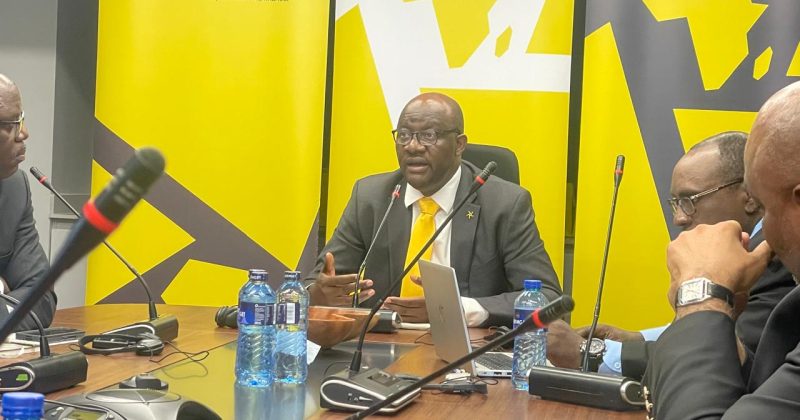
Its CEO, Manuel Moses, emphasized that the future stability and growth of African economies depend on strengthening regional institutions such as ATIDI, which provides political and credit risk insurance across 24 African nations.
He pointed out that over-reliance on donor funds exposes African countries to the uncertainties of external financial commitments, which can fluctuate due to shifting global priorities or donor fatigue.
“We have to find solutions to our problems. How are we going to free ourselves from donor dependency?” he paused.
“We urge African countries to invest more in African bodies like ATIDI, which are tailored to the unique challenges of our continent.”
Moses’ remarks come at a critical moment, following an announcement by USAID that it will cut funding and direct hire personnel, with most staff set to go on administrative leave by February 7, 2025, except for those deemed mission-critical.
USAID has long played a central role in humanitarian aid, economic development, and disaster relief, particularly in sub-Saharan Africa, and its downsizing could disrupt ongoing programs in health, education, and crisis response.
Critics of the decision argue that the reduction in U.S. aid funding could weaken the country’s influence in global development efforts, particularly in Africa, where donor support plays a key role in supporting vital projects.
Africa is one of the largest recipients of international aid, receiving substantial financial contributions from governments, private sector initiatives, and philanthropic foundations.
The Nairobi-based organization believes that the continued reliance on external funding is no longer sustainable and urges African governments to take ownership of their developmental challenges.