NAIROBI, Kenya, Jul 21— Haiti is facing an escalating governance crisis as powerful armed gangs increasingly replace state authority and seize control of key institutions and economic lifelines, the United Nations Office on Drugs and Crime (UNODC) warned Monday, calling for urgent international action that goes beyond security operations to dismantle the criminal networks driving the country’s collapse.
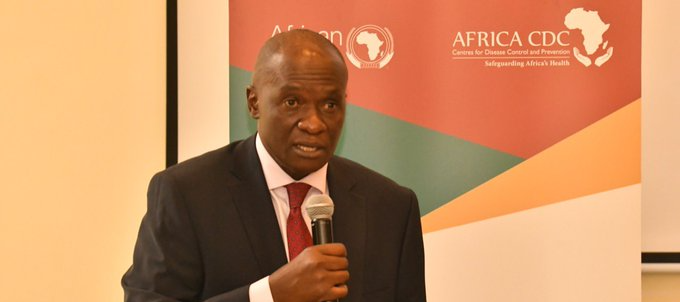
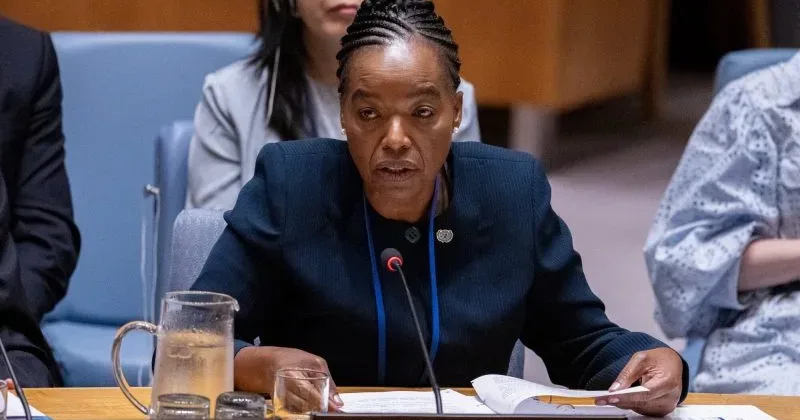
Briefing the United Nations Security Council, UNODC Executive Director Monica Juma presented the agency’s 11th report on Haiti, describing a dramatic shift in the country’s crisis from one centered on insecurity to one increasingly defined by organized crime and institutional capture.
“The report documents a significant shift in trends: armed gangs are tightening their grip on Haiti’s institutions and economic lifelines, steadily replacing the authority of the State and holding both the government and community hostage,” Juma told the Council.
“This is no longer only a security crisis; it is increasingly a governance crisis driven by organized crime, with profound humanitarian, political and development consequences.”
Juma said her assessment was informed by a recent fact-finding mission to Haiti and the neighbouring Dominican Republic, where she engaged regional stakeholders to assess the rapidly deteriorating situation on the ground.
She warned that unless criminal organizations are prevented from entrenching themselves within state structures, restoring stability will become increasingly difficult.
According to Juma, the international response must combine immediate security interventions with long-term investment in institutions capable of restoring the rule of law.
“The path to peace requires action on several fronts: meeting urgent needs today, including provision of security, while building the capacity of institutions that can secure tomorrow, such as the criminal justice system in order to restore the rule of law and prevent the entrenchment of organized criminal networks,” she said.
She outlined a comprehensive strategy that includes helping Haitian authorities reclaim territory controlled by gangs, dismantling illicit criminal economies that finance violence, strengthening border management, improving regional cooperation and rebuilding public trust in state institutions.
“Only by tackling both the symptoms and the root causes of the crisis can we help Haiti build lasting peace, security and the rule of law,” Juma said.
The UNODC chief also appealed to Caribbean nations and the broader international community to provide sustained political backing and adequate financial resources to support Haiti’s stabilization efforts.
She said international assistance should focus not only on restoring security but also on protecting civilians, reviving livelihoods and helping the country return to constitutional governance.
“UNODC is at the forefront to offer tangible solutions and calls on Caribbean states and the rest of the international community to offer political support and the necessary resources to stabilize Haiti, protect its citizens, restore the livelihoods of its population, and return it to a constitutional dispensation,” Juma said.
The Security Council briefing comes as Haiti continues to battle escalating gang violence that has crippled public institutions, displaced hundreds of thousands of people and deepened one of the world’s most severe humanitarian crises.