NAIROBI, Kenya, Sep 1 — Beyond the rolling hills of Kitui, beneath the shade of a sacred fig tree that elders say has stood for generations, a traditional institution is being revived.
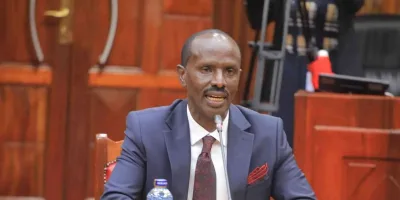
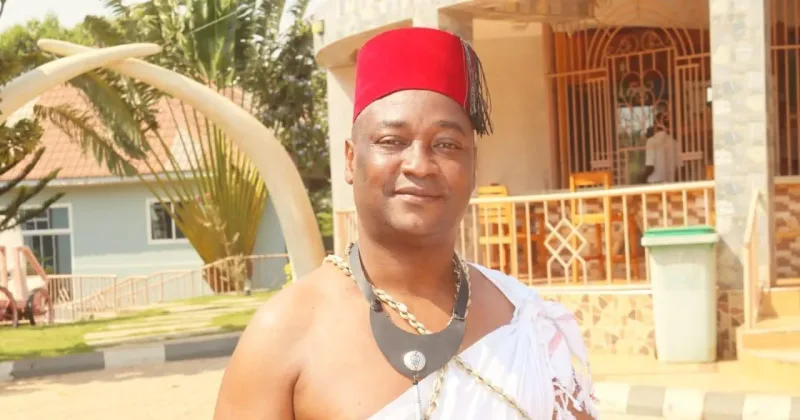
On October 3, at the Anzauni Cultural Grounds in Kitui, the Anzauni Ndene Clan plans to install Dr Augustus Kyalo Muli as Chief Kyalo Muli I in a ceremony that elders describe as the first such installation in more than seven decades.
The ceremony will be held beneath a fig tree believed by the community to be about 70 years old, adding symbolism to an occasion organisers say is intended to reconnect a modern generation with its cultural inheritance.
But the installation is also taking place at an interesting intersection of culture and contemporary politics.
Muli is not only being presented as a cultural leader. He is also the leader of the National Liberal Party (NLP), giving the revival of traditional leadership a political dimension that the organisers say is secondary to its cultural purpose.
The Kamba: A heritage of clans and specialisation
Traditional accounts of Akamba society identify a network of clans, with some historical accounts listing 22 major clans.
Different clans developed reputations for particular skills and responsibilities, creating a system in which specialised knowledge could be passed from one generation to the next.
The Atwii, for example, are historically associated with blacksmithing, while other clans developed reputations in areas including hunting, medicine, agriculture, trade and rainmaking.
The Anzauni, also known as the Ndene Clan, traditionally associate their heritage with medicine, hunting, warfare and rainmaking.
For the community, these traditions were more than occupations. They represented knowledge accumulated over generations and entrusted to successive generations to preserve and use for the benefit of society.
It is this idea of inherited knowledge and responsibility that the Anzauni elders say lies behind the revival of their cultural chiefdom.
The Chief as custodian
In traditional Kamba society, leadership was closely connected to the authority of elders and the preservation of communal values.
The cultural chief was not simply conceived as a ruler exercising political power. The position was associated with custodianship — protecting traditions, maintaining unity and ensuring that knowledge was passed on.
That understanding remains central to the Anzauni initiative.
The chief, according to the elders, is expected to serve as a custodian of cultural knowledge, a unifying figure within the community and an advocate for the preservation of its heritage.
The emphasis is therefore on service rather than domination.
For a community confronting the pressures of modernisation, migration and changing social structures, the elders see the institution as a way of keeping cultural identity alive while adapting it to contemporary circumstances.
Why Kyalo Muli?
At the centre of the revival is Dr Augustus Kyalo Muli, a Kitui-born humanitarian, educationist and politician.
Born in Ngiini Village in Kitui Central, Muli has spent much of his professional life between Kenya and the United Arab Emirates while maintaining links with his home county.
His community profile has been built partly through education and development initiatives, including bursaries, water projects and youth and women empowerment programmes undertaken through the Kyalo Kya Maendeleo Foundation.
He is also the leader of the National Liberal Party.
Muli’s connection to the Anzauni community is rooted in his family heritage. The clan traces its history to prominent figures who contributed to Kenya’s political development, including Winfred Nyiva Mwendwa, Kenya’s first woman Cabinet Minister; Muimi Nzau, one of the early African members elected to the Legislative Council in 1957; and Fred Mati, Kenya’s first African Speaker.
Muli attended Starehe Boys’ Centre before pursuing a Bachelor of Education degree at Kenyatta University and an MBA in Dubai. He has also been associated with an honorary doctorate.
His supporters point to his community development initiatives and longstanding engagement with Kitui as part of the reason he was considered for the cultural position.
According to the Anzauni Ndene Clan Council of Elders, his installation followed a two-year consultative process involving members of the clan.
The council intends to formally present him as HRH Chief Kyalo Muli I.
The title is being used within the cultural institution and is not a replacement for Kenya’s statutory administrative chief system.
Rather, the organisers describe the chiefdom as a cultural institution intended to preserve Anzauni heritage, strengthen community cohesion and provide a platform through which traditional knowledge can be transmitted to younger generations.
Culture and politics
The decision to install a sitting political party leader inevitably adds another layer to the ceremony.
Muli’s political role means the event will attract attention beyond the cultural sphere, particularly in Ukambani, where questions of community identity and political leadership have historically been closely intertwined.
The organisers, however, present the chiefdom as a cultural institution rather than a political office.
For them, the distinction is important.
The installation is intended to revive a traditional form of community leadership without creating a parallel political authority.
It also reflects a wider question facing many Kenyan communities: how can traditional institutions survive in a constitutional democracy where formal political and administrative authority belongs to the State?
For the Anzauni elders, the answer lies in redefining traditional leadership around culture, service and community development.
Kilumi: Heritage in motion
At the heart of the October ceremony will be Kilumi, the traditional Kamba dance that remains one of the community’s most recognisable cultural expressions.
Traditionally associated with elder women and accompanied by drums, Kilumi has historically been performed in ceremonial and communal settings, including occasions associated with thanksgiving, healing and appeals for rain.
At Anzauni, the performance will carry an additional meaning.
The organisers see it as a link between present-day community members and generations of healers, hunters, warriors and rainmakers whose knowledge forms part of the clan’s inherited identity.
Through song, rhythm and dance, the ceremony will turn cultural history into something that can be experienced rather than simply remembered.
It is a reminder that heritage does not exist only in archives or history books. It survives when communities continue to practise it.
A celebration beyond theclan
The Anzauni Cultural Chiefdom describes itself as a cultural institution rather than a political organisation.
The October 3 festival will be held under the theme: UNITY – HERITAGE – DEVELOPMENT
Organisers say the event is open to people of all faiths and backgrounds, including Christians and Muslims, who wish to witness and learn about Akamba culture.
President William Ruto has been invited to attend alongside thousands of Anzauni drawn from Kitui, Makueni, Machakos and the diaspora.
Organisers expect more than 20,000 people to attend.
The scale of the planned gathering reflects the broader ambition behind the initiative.
For the Anzauni, October 3 is not simply about the installation of one man.
It is an attempt to reclaim a cultural institution and give it meaning in contemporary Kenya.
That effort raises questions that extend beyond the clan itself: what place should traditional leadership occupy in a modern constitutional state, and can cultural authority be revived without becoming a vehicle for political mobilisation?
The answers may not emerge from the ceremony itself.
But beneath the old fig tree at Anzauni Cultural Grounds, thousands are expected to gather to honour the past, celebrate the present and consider what an inherited tradition can mean for the future.