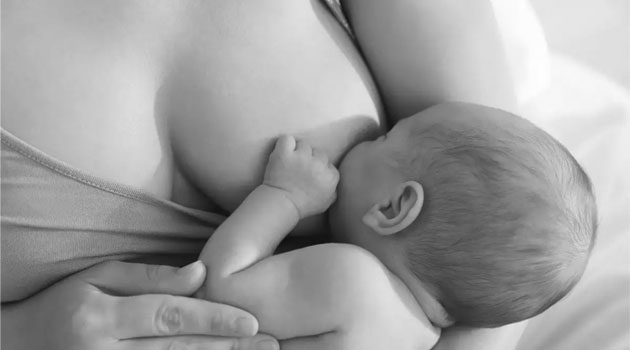
NAIROBI, Kenya, Aug 8 – Malnourished infants under six months may need continued support after leaving hospital to recover fully, with researchers in Kilifi County testing whether home-based breastfeeding support can improve their growth and development.
The KEMRI-Wellcome Trust researchers are conducting the IBAMI-2 study to determine whether structured support at home can help mothers maintain exclusive breastfeeding and improve outcomes among infants recovering from acute malnutrition.
The study builds on an earlier IBAMI study conducted at Kilifi County Hospital, where breastfeeding peer supporters helped mothers of sick and malnourished infants re-establish exclusive breastfeeding while in hospital.
Dr Martha Mwangome, Principal Investigator of the IBAMI study, said the research began in 2013 following the introduction of World Health Organization guidelines recommending breastfeeding support for infants under six months with acute malnutrition.
“Our journey began after the 2013 WHO guidelines were introduced, for the first time, recommendations for managing acute malnutrition in infants under six months through breastfeeding support,” Mwangome said.
She said the initial study showed that the guidelines could be implemented in a rural setting and that mothers were able to re-establish exclusive breastfeeding before their infants were discharged.
The intervention achieved an 81 percent exclusive breastfeeding rate by discharge.
However, mothers later reported difficulties maintaining breastfeeding once they returned home without continued support.
It is this gap that IBAMI-2 is seeking to address.Under the new study, breastfeeding peer supporters will make three home visits and three follow-up phone calls over seven weeks after an infant is discharged from hospital.
The first phase involved 20 mother-infant pairs and found the intervention feasible and acceptable to participating mothers.
One mother who took part in the study said the peer supporters taught her how to express breast milk for her baby, who subsequently began gaining weight steadily.
The second phase is a randomised controlled trial involving 250 mother-infant pairs, with 125 assigned to each study arm.
Researchers will primarily measure the infants’ weight gain at six months. They will also follow the children up to 12 months to assess mortality, illness and neurodevelopmental outcomes.
The need for continued support is underscored by the risks facing infants after hospital discharge. Post-discharge mortality accounts for up to 20 percent of infant deaths in low- and middle-income countries, while about half of childhood deaths are associated with one or more forms of undernutrition.
An estimated 24.5 million infants under six months were affected by severe acute malnutrition in 2021.
Researchers hope the study will provide evidence on whether continued breastfeeding support after discharge can improve the health and development of vulnerable infants.
The findings could also help inform future changes to WHO and Kenyan guidelines on the management of acute malnutrition among infants under six months.
The study comes as the world marks World Breastfeeding Week, highlighting the importance of continued support for mothers and vulnerable infants beyond the hospital setting.