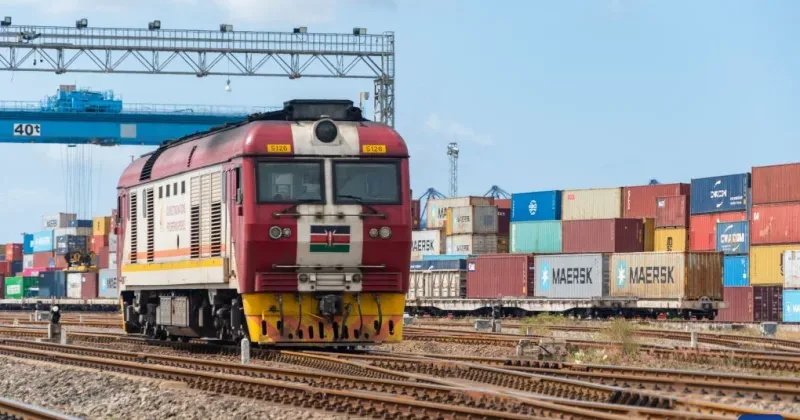
NAIROBI, Kenya, Aug. 7 – Stanbic Bank Kenya is in discussions with the government on possible ways to support the servicing of Kenya’s yuan-denominated debt following the conversion of part of the country’s Standard Gauge Railway (SGR) obligations into Chinese yuan.
Stanbic Bank Kenya Chief Financial Officer Dennis Musau said the lender is engaging the government on financing options as Kenya adjusts to the new currency structure of its debt.
“Ongoing conversations. Those conversations are always ongoing,” Musau said when asked whether Stanbic had engaged the government on options for clearing yuan-denominated obligations.
“When the government says we would like to re-index our cost of financing, we think that is a statement that is indirectly linked to where we should participate. So, we go and have conversations around how can we help.”
The discussions come after Kenya re-denominated about $6 billion of SGR-related debt into Chinese yuan, a move aimed at easing pressure on the country’s dollar liquidity and reducing exposure to fluctuations in the US dollar.
However, the shift introduces a new currency consideration for debt servicing, given Kenya’s trade position with China and the availability of yuan.
Kenya runs a substantial trade deficit with China, meaning the country imports significantly more from China than it exports.
This could limit the natural supply of yuan available through trade flows and increase the need for financial-market mechanisms to obtain the currency required for debt payments.
The development comes as Kenya seeks to deepen yuan transactions and develop mechanisms for settling Chinese currency obligations.
The People’s Bank of China authorised the clearing of yuan transactions in Africa on June 26, creating scope for greater use of the Chinese currency in cross-border payments and trade settlement.
For Kenya, a local yuan-clearing framework could reduce reliance on converting currencies through the US dollar when settling transactions with China.
The re-denomination does not eliminate the underlying debt burden. It changes the currency in which the obligation is measured and introduces new considerations around access to yuan, exchange-rate movements and the cost of servicing the debt.
The extent to which the arrangement can lower Kenya’s overall debt-servicing costs will depend on the availability and pricing of yuan, market liquidity and the government’s ability to access the currency when payments fall due.