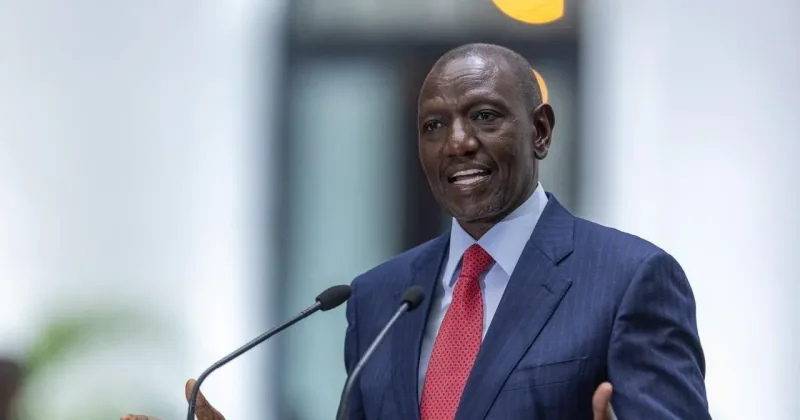
NAIROBI, Kenya Sep 7 – President William Ruto and governors are set to hold talks on Monday as pressure mounts to resolve the nationwide nurses’ strike that has disrupted healthcare services across Kenya.
The meeting between the national and county governments is expected to focus on the outstanding issues behind the industrial action and seek a lasting solution to recurrent labour disputes in the health sector.
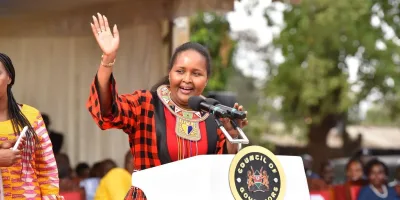
Embu Governor Cecily Mbarire confirmed that the Council of Governors (CoG) will meet Ruto and other national government leaders under the National and County Governments Co-ordination Summit on September 7.
The Summit, established under the Intergovernmental Relations Act, brings together the President and the governors of Kenya’s 47 counties and serves as the apex forum for relations between the two levels of government.
The nurses’ strike has largely centred on the implementation of the 2017 Collective Bargaining Agreement (CBA) and disagreements over its financial implications and implementation.
Mbarire has previously attributed part of the dispute to the obligations created by the 2017 CBA, arguing that counties have faced challenges meeting the financial commitments because of inadequate resources.
However, the Kenya National Union of Nurses and Midwives has maintained that the agreement is binding and has rejected claims that it is financially unsustainable.
KNUNM Secretary-General Seth Panyako has said the CBA remains the central issue in the dispute and that the union has not reached a deal with the Council of Governors.
The union has continued to demand progress on the agreement, while county governments have called for nurses to return to work as negotiations continue.
The prolonged strike has severely disrupted services in public hospitals, with patients facing difficulties accessing routine and emergency healthcare.
Health professionals and rights organisations have raised concerns over the impact of the industrial action on vulnerable patients, particularly mothers, newborns and people requiring specialised or emergency care.
The Kenya National Commission on Human Rights has called for urgent intervention by both levels of government, warning that the strike has evolved from a labour dispute into a public health and human rights crisis. The commission cited reports of 79 deaths between August 31 and September 2, comprising maternal, neonatal and perinatal deaths, while calling for independent verification of deaths and other health impacts linked to the disruption.
The National Nurses Association of Kenya has also reported deaths involving mothers, newborns and perinatal cases during the strike, as health professionals warn of the consequences of prolonged disruption of public health services.
The planned Ruto-governors meeting comes after other discussions between the national and county governments on health-sector challenges.
On August 31, the national and county governments reached an agreement on the transition of 7,789 Universal Health Coverage workers to permanent and pensionable terms, with the government allocating KSh8.6 billion, including statutory employer contributions, for the transition.
The Ministry of Health said the two levels of government were also working on issues including health financing, workforce management, payment of legitimate healthcare claims and continuity of services.
The latest talks therefore provide an opportunity for the national government, governors and nurses’ representatives to address both the immediate strike and longer-term challenges surrounding the employment and welfare of health workers.
For patients, the key outcome will be whether the talks produce a concrete agreement capable of restoring normal services in public hospitals and preventing another prolonged disruption of healthcare.