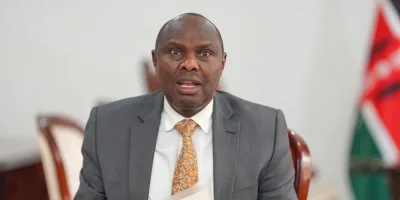
NAIROBI, Kenya Sep 17 – The High Court has certified as urgent a petition challenging the continued stay in office of Kenya Ports Authority (KPA) Managing Director and Chief Executive Officer Capt William Kipkemboi Ruto, with the petitioner claiming his three-year term expired in March.
The court has directed that the petition and accompanying application be served on the respondents, who have seven days from the date of service to file and serve their responses.
The matter will come up on September 23, 2026, for directions and further orders.
The petitioner, Francis Awino, claims Capt Ruto’s three-year term commenced on March 10, 2023, and expired on March 9, 2026.
Awino is challenging the legal basis of Capt Ruto’s continued occupation of the office, arguing that there has been no publicly disclosed Gazette Notice, instrument of appointment, reappointment, renewal or extension demonstrating that he was granted a fresh mandate after the expiry of his term.
The petitioner is seeking conservatory orders suspending Capt Ruto from exercising the powers and functions of KPA managing director pending the hearing and determination of the petition.
He has also challenged any continued payment of salary, allowances, benefits or other remuneration attached to the position while the dispute over the tenure remains unresolved.
The application further seeks orders compelling KPA to produce documents relied upon to justify Capt Ruto’s continued occupation and exercise of the office after March 9.
The documents sought include resolutions, minutes, approvals and other instruments relating to his appointment, reappointment, renewal or extension of tenure.
Awino argues that the continued exercise of the powers of the office by a person whose mandate is disputed raises questions concerning the lawful exercise of public power and management of public resources.
The petition cites several provisions of the Constitution, including Articles 1, 2, 3, 73, 75, 201 and 232, as well as provisions of the Government Owned Enterprises Act, 2025.
The petitioner says he is not asking the court to determine the substantive dispute at the interlocutory stage, but to issue interim orders preserving the subject matter of the case pending the hearing and determination of the petition.