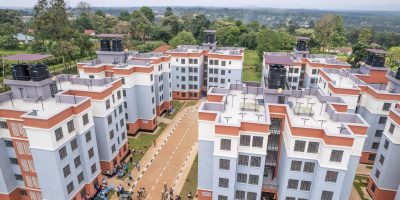
NAIROBI, Kenya, Jan 23 – Inadequate suitable land for housing development and slow processes in the land registries are among the challenges facing Kenya’s housing sector.
Vision 2030 Director of Social and political pillar Ada Mwangola, said delays in execution of agreements and land disputes in dealing with county governments is also a problem.
Speaking at a housing and urbanization workshop, Mwangola added that the Vision 2030 goal of adding 200,000 houses per year is yet to be met.
Inadequate funding for construction of affordable housing is also a challenge, coupled with the delayed release of exchequer leading to pending bills.
Low incomes for most urban dwellers in informal settlements makes the dream of owning a home an unreachable goal for most people.
According to the Mwangola, there is also a shortage of high-quality affordable housing in urban areas which undermines liveability for urban dwellers.
“Population growth in urban areas is set to continue which will raise demand for housing. What is worse, interest rates are high even when subsidized,” Mwangola said.
A 2016 study by the World Bank found that 75 percent of city residents in Kenya are tenants, while only 21 percent of people have built or bought homes.
The government is targeting to build one million houses in five years to fill the housing gap, especially in urban areas.