NAIROBI, Kenya Jul 27 – Former Deputy President Rigathi Gachagua has pledged to abolish the Affordable Housing Levy if elected, arguing that the deduction has eroded workers’ purchasing power and diminished the value of Kenyan payslips.
Speaking during an interview with Meru media houses yesterday night, Gachagua said restoring the “dignity of the payslip” would be among his administration’s top priorities, saying employees are weighed down by statutory deductions that leave them with less disposable income.
“We must restore the dignity of the payslip,” Gachagua said as he appealed to Kenyan workers to support his presidential bid.
The Affordable Housing Levy was established under the Affordable Housing Act, 2024 and requires employees to contribute 1.5 percent of their gross monthly salary, with employers matching the contribution.
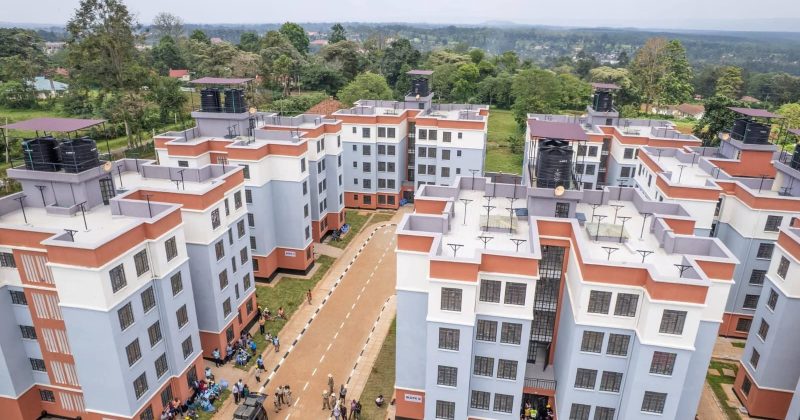
The funds are collected by the Kenya Revenue Authority (KRA) and remitted to the Affordable Housing Fund to finance the government’s Affordable Housing Programme, including the construction of affordable housing and related infrastructure.
According to the government, contributors to the fund are eligible to apply for affordable housing units through the programme’s allocation framework, subject to eligibility requirements and the availability of houses.
The Kenya Kwanza administration has defended the levy as a key pillar of its housing agenda, saying it is intended to help address Kenya’s housing deficit, expand access to decent housing and support employment in the construction sector.
The levy has, however, remained one of the administration’s most contentious economic policies and a major point of political debate.
Critics argue that the mandatory deductions reduce workers’ take-home pay and increase labour costs for employers, while the government maintains the programme is essential to financing affordable housing and stimulating economic growth through the construction sector.
Gachagua proposed that housing units already constructed under the government’s Affordable Housing Programme be converted into government housing for public servants, including police officers, while others could be transferred to county governments to manage and generate revenue.
Asked whether the houses would be offered free of charge, he clarified that they would remain government-owned housing rather than being allocated at no cost.