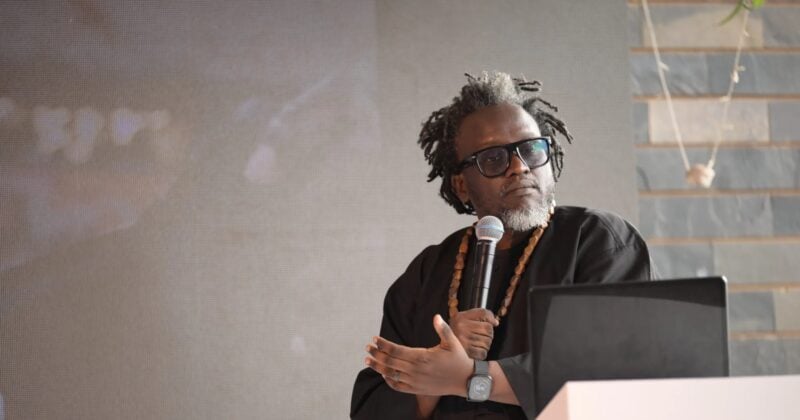
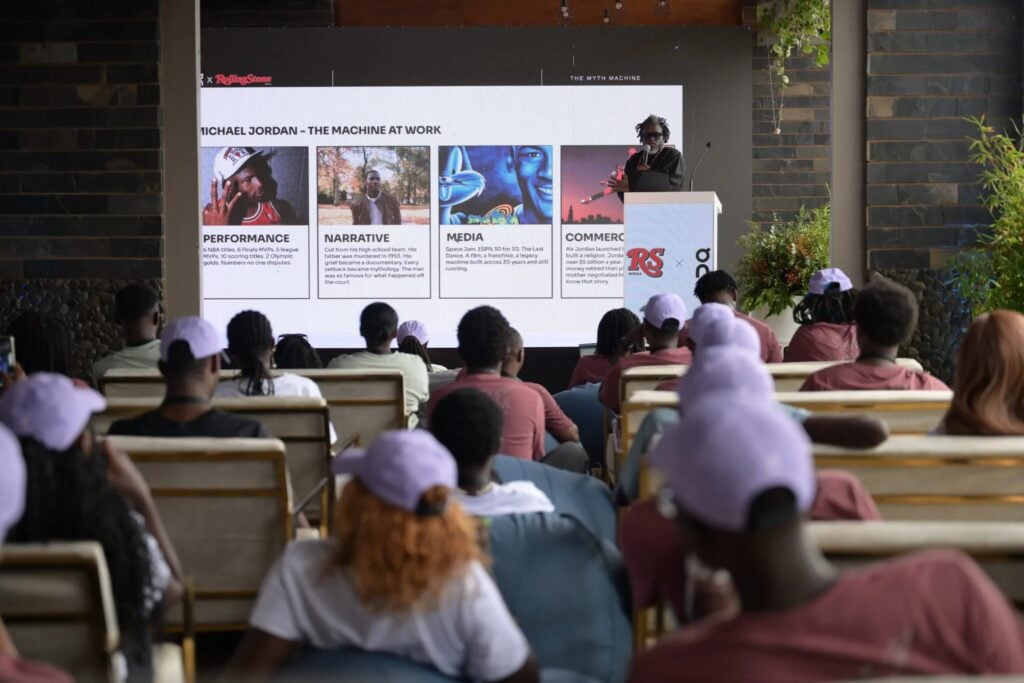
At the ongoing Voices in Motion Creative Summit, where he led a session exploring the realities and opportunities in the creative industry, Emuron Alemu, Chief Creative Officer at The Quollective reflected on what it takes to scale as a creative, build a sustainable career, and position African talent for greater success on the global stage.
The stakes extend beyond individual careers to the immense economic potential of Africa’s creative industry. Projected to reach $200 billion in value by 2030, the sector is emerging as a significant driver for economic growth, with the potential to expand Africa’s global export footprint and attract strategic investors seeking new opportunities in the creative economy.
The power of self-belief
However, in Africa’s budding creative economy, talent alone rarely determines how far an individual goes and the level of success they achieve. Beyond skill and creativity, factors like self-belief, visibility, and the ability to build meaningful connections often play an equally significant role in shaping careers.
For Alemu, this is one of the most important lessons he wishes someone had taught him earlier in his career.
That conviction runs through everything he says about the Kenyan and wider African creative industry. “The talent is there, but the systems are yet to catch up. The gap between the two is a matter of belief and building”
Building the Systems to Match Africa’s Creative Talent
Alemu describes the creative industry as fragmented. There are pockets of excellence, emerging talent, and growing international recognition, but the infrastructure that connects these elements remains uneven. He argues that building the right systems is integral in bridging the gaps that currently exist. Formal training, for instance, will give creatives a headstart, helping them understand their strengths, identify their niche, and navigate the industry with ease and greater clarity.
Without a solid foundation, many creatives have in the past been left to figure things out independently, spending valuable time figuring out who they are, as creatives, what they can offer, and where they fit into the wider industry.
“Compared to the western markets where more developed pipelines allow talent to be discovered early, natured, and connected to opportunities within the economy, our infrastructure fails to create room for discovery, specialization, career progression, and employment,” He points out.
The lesson is not necessarily to replicate those systems wholly, but to recognize what a functioning creative ecosystem makes possible. For Kenya and Africa, developing these systems could be the difference between developing talented individuals and building an industry that supports them at scale.
Alemu describes the growing interest of private investors in funding the creative sector as a step in the right direction. Increased investment can unlock opportunities for creatives, strengthen the industry’s infrastructure, and support the growth of homegrown talent.
Coupled with deliberate governments’ efforts to enforce policies, improve access to funding, and building enabling environments for a thriving creative economy, these investments can help transform Africa’s creative sector into a sustainable and competitive industry that create jobs, attracts investment, and drives economic growth.
Owning the African Story on the Global Stage
Looking 15-20 years ahead, Alemu offers simple insights. “A thriving creative economy means fewer struggling artists and creators.” Getting there, he says, means that there will be a significant top-tier layer of creatives shaping the industry, breaking the glass ceiling, and diversifying their investment across the industry to keep it moving forward.
It also takes institutions that partner with creators who build strong personal brands and work professionally, giving the brands greater value for the investment they make. Both brands and creators must build an environment where engaging with each other guarantees trust, value, and professionalism.
Alemu also finds hope in African work featuring at the Loeries and Cannes. To him, this is proof that we belong, and the next step is for us to improve our craft and dominate the market. Young creatives, he says, need to apply themselves and show up, because there is a pool of opportunities for those who put in the effort.
He believes that the time is right for African storytellers to step up. With events like AFCON and Formula One Grand Prix drawing attention to Africa, all eyes are on us. Stories from around the world are saturated, and Africa has many that the world is looking for. His challenge to storytellers is not to mimic Western storytelling, but to find unique angles and styles that excite both local and global audiences.
The opportunity, therefore, is not simply to put Africa on the world’s screens. It is to shape how the world sees, understands, and experiences our stories. Above all, it means cultivating a culture in which African creatives believe in the value of what they bring to the world.