NAIROBI, Kenya, Jul 22 – The Directorate of Criminal Investigations (DCI) is preparing to roll out a nationwide institutional review aimed at strengthening criminal investigations, leadership and public service delivery after completing an operational assessment in Nairobi that identified key gaps in training, resource allocation and investigative coordination.
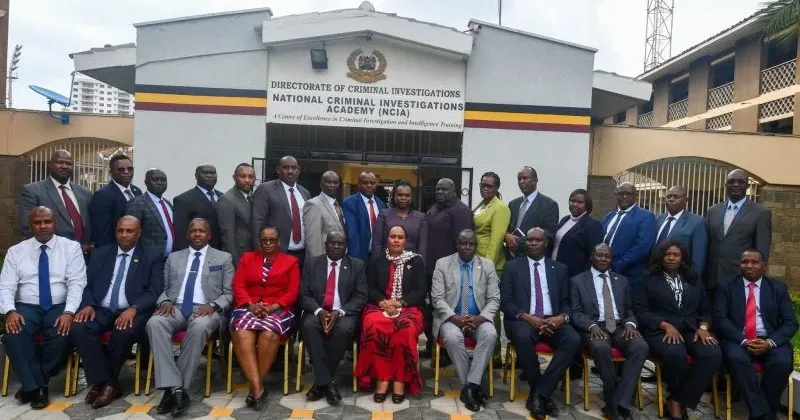
The nationwide initiative follows an After-Action Review (AAR) conducted at the National Criminal Investigations Academy (NCIA), where senior commanders analyzed lessons from the Directorate’s field engagement in the Nairobi Area Region.
The review brought together directors, regional and sub-regional commanders, and sub-county commanders to evaluate operational performance, leadership, investigative capacity and service delivery, with the findings expected to shape similar engagements across all DCI regions and formations.
Opening the forum on behalf of DCI Director Mohamed Amin, Director of Personnel Rosemary Kuraru said the review was intended to convert frontline experiences into practical reforms.
“This forum provides us with an opportunity to openly discuss the challenges affecting service delivery, share best practices, and develop practical solutions that will strengthen our operational effectiveness,” Kuraru said.
Investigations Bureau Director Francis Ndiema said every reform initiative must contribute to the Directorate’s long-term vision of delivering world-class criminal investigations.
“Everything we do must bring us closer to our vision of excellence in criminal investigations for a secure and prosperous Kenya. That is the standard against which we must measure our progress,” Ndiema said.
NCIA Commandant Ibrahim Jillo described the review as part of the Directorate’s broader effort to institutionalize responsive leadership by incorporating feedback from officers working on the frontlines.
During the deliberations, commanders highlighted several operational challenges, including the need for specialized training for officers integrated from other security services, stronger collaboration in processing investigation files, and improved logistical and technical resources for investigative units.
Director of Planning Bernard Walumoli said the findings from the Nairobi engagement would directly influence the planning and execution of the nationwide rollout.
“This review gives us the insights we need to plan properly for the rollout. It will guide how we allocate resources and structure similar engagements as we extend this model across the country,” Walumoli said.
Also attending the review were Crime Research and Intelligence Bureau Director Dennis Okadapau, Director of Operations Samson Kiptum, and other senior officers.
The DCI said the nationwide expansion of the engagement model is intended to strengthen intelligence-led policing, improve investigative standards, enhance leadership accountability and ensure lessons learned in the field translate into better services for the public.