NAIROBI, Kenya Oct 8 – President William Ruto has announced that families of people whose bodies were recovered from River Yala will be included in the government’s compensation programme for victims of human rights violations.
Ruto said the programme, initially focused on victims of protests and demonstrations, would also cover families affected by enforced disappearances and other cases of alleged extrajudicial killings.
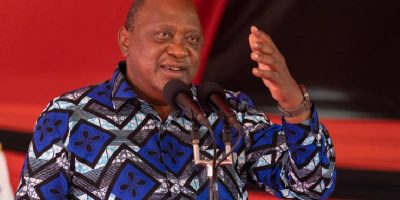
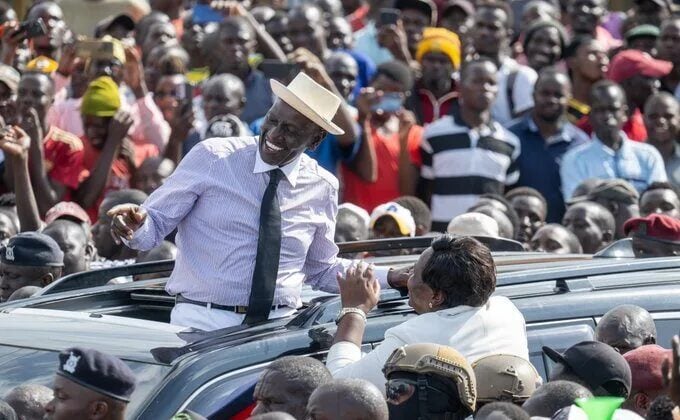
The President made the announcement on Wednesday during the handover and commissioning of the Raila Odinga mausoleum at Kang’o Ka Jaramogi in Bondo, Siaya County.
He said the move was in keeping with the late former Prime Minister Raila Odinga’s longstanding campaign for justice and compensation for victims of political violence and human rights abuses.
“We set aside Sh2 billion and hundreds of families have already been paid. We will not stop until every verified victim receives justice,” Ruto said.
He added: “This compensation will extend to the families of the many whose bodies were recovered here in River Yala and other victims of extrajudicial disappearance.”
The announcement marks a significant expansion of the compensation programme, which had largely focused on victims of protests and demonstrations.
The River Yala killings became a national human rights concern in 2021 and 2022 after residents began recovering bodies from the river in Siaya County.
Human rights groups said more than 30 bodies had been retrieved from the river, although the exact number varied between different agencies. Amnesty International said residents and human rights defenders had documented 31 bodies, while 21 were at the Yala mortuary and nine had been buried in a mass grave at the time of its January 2022 investigation.
The bodies were recovered from areas including Dhawa, Dhanu and the Falls, with some having apparently been in the river for varying periods. Amnesty said the bodies showed evidence of physical injuries and drowning, prompting calls for thorough investigations into how the victims died and how they ended up in the river.
The Independent Policing Oversight Authority (IPOA) subsequently said it was investigating the recovery of 25 bodies from River Yala, while the Directorate of Criminal Investigations also opened investigations.
Some of the bodies were later linked to people who had previously been reported missing. One of the cases involved Kenya Wildlife Service officer Francis Oyaro, who had been missing for months before his body was found in the river.
The discoveries sparked outrage from human rights organisations, which accused authorities of failing to adequately investigate the deaths and establish who was responsible.
IPOA said the nature of some of the injuries and the circumstances surrounding the deaths pointed to possible links between some of the cases, while investigations continued.
The government’s announcement therefore opens the possibility of compensation for families who have for years sought answers over the deaths and disappearances of their relatives.
The compensation programme has already processed thousands of claims relating to human rights violations. The Panel of Experts on Compensation of Victims of Human Rights Violations said in September that it had processed 1,083 claims, with Sh1.01 billion disbursed. The claims included deaths, injuries, sexual violence, economic losses and other forms of harm.
The panel has also been handling claims involving enforced disappearances and torture, although some payments in these categories have been affected by ongoing legal proceedings.
Ruto linked the compensation programme to Mr Odinga’s long campaign for electoral and human rights justice.
“Raila was a fighter. He pushed hard to extend the boundaries of our democracy,” the President said.
The President pledged that the government would continue paying verified claims until all eligible victims receive compensation.
The River Yala families have, however, long sought more than financial compensation, with human rights organisations calling for identification of the victims, establishment of the circumstances of their deaths and prosecution of those found responsible.