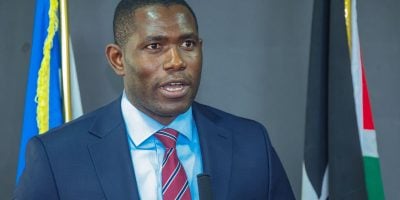
NAIROBI, Kenya, Aug 27 – Kenya is registering nearly 60 churches every month, Attorney General Dorcas Oduor has said, revealing the rapid expansion of religious organisations even as leadership disputes within some churches increasingly turn bitter and violent.
Oduor said the high rate of registration has been accompanied by a steady stream of disputes, particularly during church elections, with rival factions often seeking legal advice when disagreements over leadership escalate.
“At the Office of the Attorney General, we are registering almost 60 churches a month. Every time they have elections, they disagree. And elections in churches are more brutal, sometimes fatal; they are very violent, and they still come to us for advice,” she said.
The Attorney General’s remarks point to the growing challenge of governance within religious sector, where disputes over elections, leadership positions, church constitutions and control of institutions have increasingly found their way into the courts.
Churches are generally expected to resolve internal disagreements through their own constitutions and dispute-resolution mechanisms. However, a number of leadership contests have ended up before the courts after rival groups failed to agree on the legitimacy of elections or appointments.
The Methodist Church of Kenya has been involved in several such disputes.
In August 2025, the High Court in Malindi affirmed the position of Reverend Semi Salat as Bishop of the Methodist Church in Kenya’s Singwaya Synod and restrained Reverend Genatone Funanana from presenting himself as bishop or interfering with the running of the synod.
The dispute arose from a contested leadership process, with the court noting that proceedings of the church’s 57th Annual Conference had previously been declared null and void through a consent order because of inadequate notice and other breaches of the church’s standing orders.
Leadership tensions have also divided sections of the Methodist Church at regional level. In December 2024, disputes divided the church’s Coast Region Conference, with the Mombasa Synod distancing itself from the conference and refusing to participate in some activities until its grievances were addressed.
At the local level, church elections have also generated controversy. In October 2025, police were deployed during a contested Methodist Church election in Changamwe, Mombasa, after disagreements among members over the conduct of the exercise and allegations of interference.
The Anglican Church of Kenya has similarly faced legal challenges arising from contested leadership processes.
In December 2024, the High Court in Kisumu temporarily stopped the consecration and enthronement of Bernard Owuor as Bishop of the ACK Diocese of Maseno East after a challenge was filed over the process through which he had been nominated and elected. The petitioner alleged that the process had breached church rules.
The disputes signal the extent to which internal church elections can become prolonged legal battles when competing factions question the legitimacy of the electoral process.
Oduor said Kenya needed to pay greater attention to governance within religious organisations, particularly as the number of churches continues to rise.
Her remarks also come against the backdrop of wider concerns about oversight of religious organisations following the Shakahola deaths.
The 2023 Shakahola tragedy, in which hundreds of followers of self-proclaimed pastor Paul Mackenzie died after being subjected to extreme teachings, triggered national debate over the registration, regulation and oversight of religious organisations.
The government subsequently established a Presidential Taskforce on the Review of the Legal and Regulatory Framework Governing Religious Organisations, which was tasked with examining how religious organisations are registered and regulated.
With dozens of new churches being registered every month, questions are likely to arise over how effectively these organisations are equipped to manage elections, leadership transitions, finances and internal disputes.
Oduor’s warning that church elections can become violent adds urgency to calls for religious organisations to strengthen their internal governance and dispute-resolution structures before disagreements escalate into confrontations.
The challenge, she suggested, is not merely registering more churches, but ensuring that the institutions created have systems capable of managing the inevitable disagreements that come with leadership contests.