NAIROBI, Kenya, Oct 12 — Tharaka Nithi Governor Muthomi Njuki has been elected chairperson of the Council of Governors (CoG), with Bungoma Governor Kenneth Lusaka taking the deputy chairperson position as Baringo Governor Benjamin Cheboi retained the whip post.
Njuki succeeds Wajir Governor Ahmed Abdullahi, who completed two consecutive one-year terms at the helm of the council.
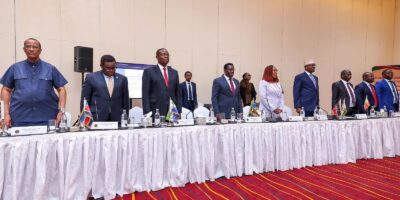
The new leadership was elected during a full council meeting at Mövenpick Hotel in Nairobi on Monday, bringing an end to the succession process that had drawn attention to the council’s role in representing county governments in negotiations with the national government.
Njuki’s election elevates him from his previous position in the council’s leadership to the chairmanship, placing him at the centre of efforts to coordinate governors’ positions on devolution, county financing and service delivery.
Lusaka, who serves as Bungoma governor, will deputise Njuki, while Cheboi’s retention as whip provides continuity in the council’s executive leadership.
The elections also determine the leadership of the council’s technical committees, which coordinate county governments’ positions across key sectors.
The new leadership takes office as county governments continue to press for adequate funding, the transfer of devolved functions and stronger cooperation with the national government.
The Council of Governors brings together the heads of Kenya’s 47 county governments and provides a platform for consultation, coordination and the development of common positions on matters affecting devolution.
Its chairperson represents the collective interests of governors in engagements with the national government and other institutions, including on the implementation and financing of county functions.
The incoming team will be expected to build consensus among governors on shared priorities while addressing concerns over the resources available to counties to deliver services.
The council also coordinates sectoral committees covering areas such as health, agriculture, finance, education, infrastructure and security.
These committees provide a framework for governors to share experiences, develop common policy positions and engage national agencies on matters affecting county administrations.
Leadership transition
Abdullahi was first elected CoG chairperson in October 2024 and retained the position in October 2025.
Under Section 19 of the Intergovernmental Relations Act, 2012, the council elects its chairperson and vice chairperson from among the 47 elected governors. The positions are held for one year, with eligibility for one further term.
The leadership transition comes as counties continue to seek greater consultation on national policies affecting devolved services and the allocation of public resources.
The new executive leadership will steer the council’s engagement with the national government and coordinate the governors’ collective priorities over the coming year.