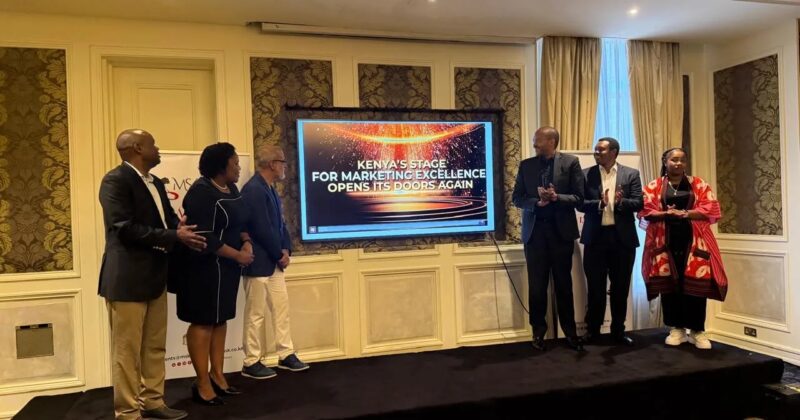
NAIROBI, Kenya, Oct 13- Kenyan marketers have an opportunity to compete with global brands by using artificial intelligence (AI) to lower innovation costs, improve customer experiences and develop more effective campaigns, industry leaders have said.
Ask Technology Ventures Founder and Chief Executive Officer Vikas Mehta said AI was democratizing access to marketing tools, enabling smaller teams to deliver work that previously required significantly larger budgets and resources.
Speaking during the Marketing Society of Kenya (MSK) Gala 2026 pre-gala launch breakfast in Nairobi, Mehta said the technology was shifting the competitive advantage from access to information towards the ability to ask better questions and apply insights effectively.
“Anybody can get the right answers if you have the right large language model in front of you. Successful people will be those who ask better questions,” Mehta said.
“As marketers, what AI allows you to do today is you can have a team of five people with the right tools and the right skills and give a team of 100 a run for their money.”
He pointed to Kenya’s high AI adoption as an opportunity for businesses to develop marketing strategies suited to digitally sophisticated consumers.
He cited a global study which he said ranked Kenya first in regular AI use among people aged 16 and above with internet access, putting the figure at 97 per cent.
The Digital 2026 Mid-Year Global Update Report separately reported that 97.5 per cent of Kenyan internet users aged 16 and above had used AI tools monthly, placing the country first among 54 markets tracked.
According to Mehta, marketers needed to keep pace with consumers’ technology use and create experiences that respond to changing expectations, adding that African professionals had an opportunity to develop approaches that could influence global marketing practices.
Saracen Marketing Group Board Chairman Lenny Nganga, however, said technological adoption needed to be matched by stronger measurement of campaign performance to demonstrate the value of marketing investments.
“We come up with great concepts for marketing, but our measurement of marketing effectiveness still lacks in many respects,” Nganga said.
“With the kind of tools, we have available to us nowadays, there is no reason why we should not have much more robust measurement and metrics to fortify the impact of what we do,” he added.
Nganga said better metrics would help marketers demonstrate their contribution to business performance and strengthen accountability to finance teams and corporate decision-makers.
The discussions come as MSK opens entries for its 2026 awards, which will feature 19 categories and three special awards. Nominations close on Tuesday, November 3, 2026.
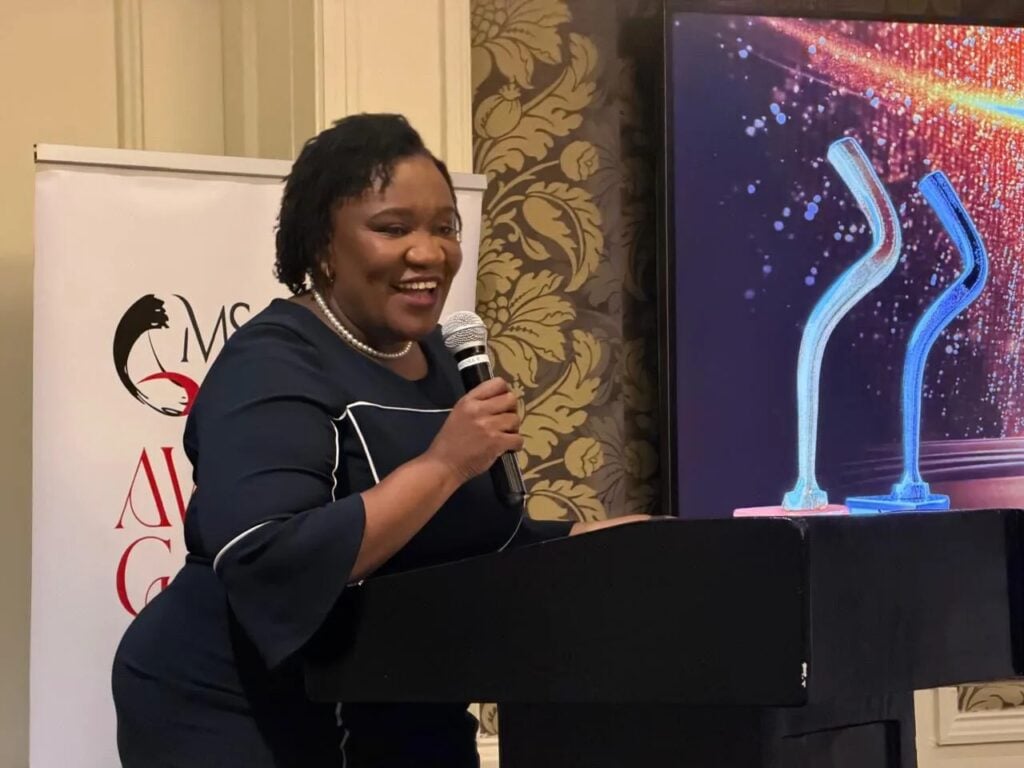
MSK Chairperson Zuhura Odhiambo said the society continued to support the marketing industry and recognize practitioners contributing to its development.
The awards come as businesses increasingly integrate AI and data into customer engagement, brand communication and campaign planning, with marketers facing growing pressure to demonstrate measurable commercial results.
The 2026 MSK Awards will feature 19 categories and three special awards, with entries closing on Tuesday, November 3. The categories for the 2026 edition are yet to be confirmed publicly by the society.