NAIROBI, Kenya, July 20 – The Judiciary has rejected the Law Society of Kenya’s (LSK) planned nationwide boycott of court proceedings on Wednesday, insisting that all courts across the country will remain open and urging advocates to resolve their grievances through dialogue rather than disrupting judicial services.
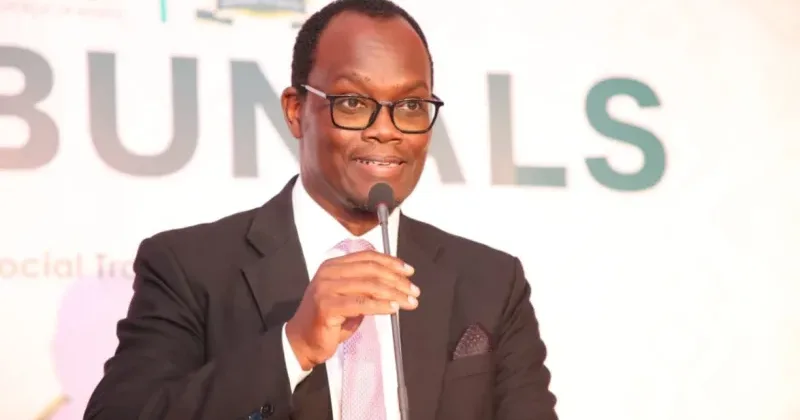
In a statement issued on Monday, Judiciary Spokesperson Paul Ndemo said the institution did not consider the planned boycott to be “an appropriate or proportionate response” to concerns raised by the lawyers’ body, warning that the action would primarily hurt litigants awaiting the hearing and determination of their cases.
“The institution does not consider a boycott of court proceedings to be an appropriate or proportionate response to the concerns raised. Such action would primarily prejudice litigants and other court users whose matters are scheduled for hearing and determination,” the statement said.
The Judiciary assured members of the public that all courts throughout the Republic would continue hearing and determining matters as scheduled on Wednesday, July 22, despite the boycott call.
“Accordingly, all courts throughout the Republic will remain open and will continue hearing and determining matters as scheduled on Wednesday, 22 July 2026. Litigants and other court users should therefore attend court as scheduled,” Ndemo said.
Ahmednasir claims judges sit just 54 days a year as Judiciary faces fresh scrutiny
The response follows the LSK’s announcement that advocates will boycott court proceedings nationwide to protest what it describes as persistent failures in the administration of justice, including delays in hearing and determining cases, late delivery of rulings, inefficiencies in court registries, concerns over judicial accountability and the working environment for advocates.
LSK President Charles Kanjama said the one-day boycott would not affect the filing of new cases. Court mentions and applications involving interim orders will proceed only to secure fresh hearing dates or extend existing interim orders where necessary.
While acknowledging that delays and adjournments remain legitimate concerns, the Judiciary maintained that responsibility for case delays extends beyond the courts.
According to the institution, data from the 2024/25 financial year shows that the leading causes of adjournments were witnesses failing to attend or being unprepared (16.8 per cent), parties failing to attend (12.3 per cent), advocates failing to attend or being unprepared (11.5 per cent), and courts being engaged in other official duties (10.9 per cent).
“These figures demonstrate that reducing delays requires a shared response involving all justice-sector stakeholders,” the statement said.
The Judiciary also defended its recent performance, pointing to data showing it received 621,425 new cases and resolved 647,686 during the 2024/25 financial year, achieving a 104 per cent case clearance rate—the first time in several years that it concluded more cases than were filed.
It added that the case backlog had reduced by 30 per cent despite a 20 per cent increase in new filings.
On judicial accountability, the Judiciary said existing constitutional mechanisms remain available for handling complaints against judges, judicial officers and staff through the Judicial Service Commission and the Office of the Judiciary Ombudsman, stressing that allegations of misconduct must be investigated through due process.
“Public accusations, however serious, cannot substitute for a fair investigation or displace the constitutional and statutory procedures established for addressing complaints,” the statement said.
The institution also defended judicial independence, saying any attempts to direct judges or judicial officers on how to hear or determine matters violate Article 160 of the Constitution, which guarantees decisional independence.
Despite rejecting the boycott, the Judiciary reaffirmed its commitment to engagement with the legal profession, noting that it has held at least five institutional meetings with the LSK over the past two years and that another consultative meeting involving the Judicial Service Commission, the LSK Council and representatives of the Senior Counsel Bar is scheduled for July 31.
The Judiciary urged the Society to reconsider the boycott and instead pursue its concerns through the structured engagement already underway and the constitutional mechanisms available for reviewing judicial decisions and investigating complaints.