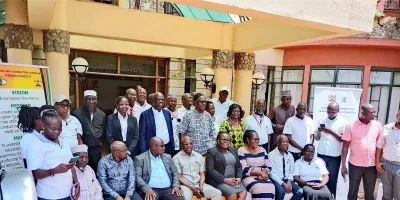
NAIROBI, Kenya, May 16 – Habitat for Humanity have on Tuesday launched a five-year campaign, called Home Equals, seeking policy changes at the local, national and global levels to increase access to adequate housing in informal settlements.
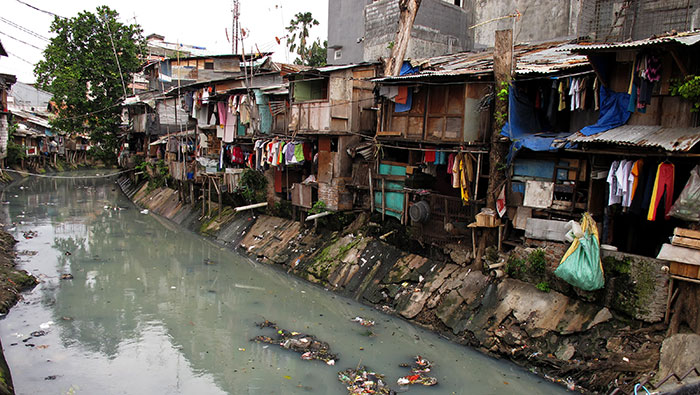
More than 1 billion people around the world live in slums and other informal settlements, and that figure continues to rise.
These communities have very limited access to basic services such as clean water, sanitation, and electricity.
People living in informal settlements lack land and property rights, often fearing eviction.
They face worsening threats from climate change, including droughts and floods.
Of those, 80% are in East and South-East Asia (370 million people), sub-Saharan Africa (238 million) and Central and South Asia (227 million).
“When it comes to the places we call home, people living in informal settlements are simply not being treated as equals,” said Jonathan Reckford, president and CEO of Habitat for Humanity International.
“By advocating for policy changes, our partners in the Home Equals campaign will be increasing access to adequate housing and supporting innovative solutions coming from the residents of informal settlements themselves,”he added.
At the global level, Habitat for Humanity is calling on G7 member states — set to meet this weekend in Hiroshima, Japan — to recognize housing as a critical lever for development progress and commit to addressing housing needs in informal settlements as a way to advance international development priorities in areas such as economic growth, health and education.
The economic and human development gains from improving housing at a large scale in informal settlements would be substantial, according to a report released today in support of the Home Equals campaign.
Report from Habitat for Humanity and our research partner, the International Institute for Environment and Development, or IIED, modeled the benefits that would be realized – in terms of economic production, income, health, and education — from those housing improvements.
The report found that GDP and income per capita would increase by as much as 10.5% in some countries and that more than 730,000 lives would be saved each year globally — more than the number of deaths that would be prevented annually by eradicating malaria.
As many as 41.6 million additional children would be enrolled in school, according to the modeling.
That’s one out of every six out-of-school children in the world.
“Ensuring that people living in informal settlements have access to adequate housing isn’t just the right thing to do,” Reckford said. It’s the smart thing to do.”
Alexandre Apsan Frediani, a researcher at IIED and one of the authors of the report, said: “Our findings show massive benefits to people’s health, education and income when you make sure they live in suitable housing conditions, have access to basic services like running water and sewage systems, and are free from the threat of eviction or harassment.”
The Home Equals campaign is already active in more than 35 countries around the world.
In Malawi, Habitat for Humanity is calling for a Disaster Risk Management Act to ensure homes in the country are resilient to disasters in the face of climate change.