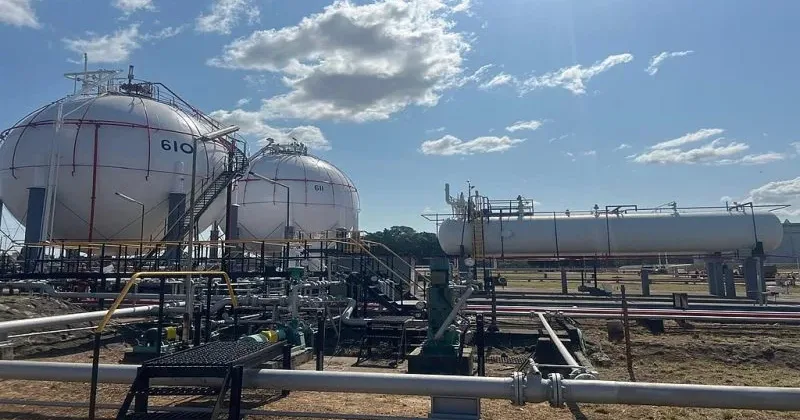
NAIROBI, Kenya, July 15 – The Government is set to earn Sh22.5 million every month after leasing land owned by Kenya Petroleum Refineries Limited (KPRL) to Asharami Synergy Limited for the construction of a liquefied petroleum gas (LPG) storage facility in Mombasa.
The 23.19-acre parcel will be leased for 31 years, generating more than Sh698 million in annual rental income over the lease period.
State Department for Petroleum Principal Secretary Kello Harsama told senators that the project has received all the required approvals, including a licence from the Energy and Petroleum Regulatory Authority (EPRA), with construction expected to begin in October and take about two years.
Once completed, the facility will add 30,000 metric tonnes of LPG storage capacity, supporting Kenya’s bulk LPG import programme aimed at lowering the cost of cooking gas.
Harsama said the additional capacity will help the government increase LPG uptake from the current 15 percent to 70 percent within four years while supporting the establishment of a Common User Facility.
“The Project is a private venture with Asharami taking the full risk of the business hence no revenue sharing for the lease period and return to Government, apart from expected reduced landed cost of LPG and in turn lower LPG prices,” Harsama said.
Although the government will not receive a share of the project’s commercial profits, the PS said it expects to benefit from higher tax collections as LPG consumption rises.
“With increased LPG uptake, Government shall generate high Petroleum Development Levies on account of LPG that is currently levied at KSh5.40/kg. It is worth noting that Government has exempted LPG from VAT in order to promote LPG uptake,” he added.
Harsama also said safeguards have been put in place to ensure the project is delivered on schedule.
“Measures have been put in place to address potential delays, cost overruns, or non-performance by the private partner in the delivery of the project, including project monitoring through the Project Oversight Committee,” he said.