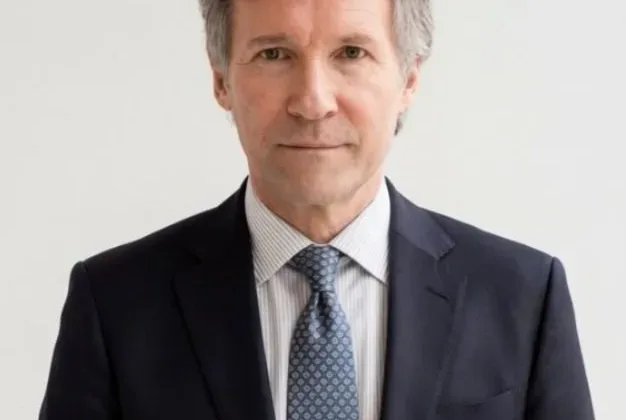
NAIROBI, Kenya, July 14 – First Energy Africa Oil has appointed two veteran resource executives to its board, a move that reflects a broader shift across Africa’s energy sector, where access to capital, fiscal stability and political risk are becoming as critical to project success as geology.
The appointments come as global energy investment is projected to reach a record $3.3 trillion in 2025, according to the International Energy Agency (IEA). Yet Africa continues to attract only 2% of global clean energy investment despite accounting for about 20% of the world’s population, while public and development finance for African energy projects has fallen by about one third over the past decade, increasing the sector’s reliance on private capital and alternative financiers.
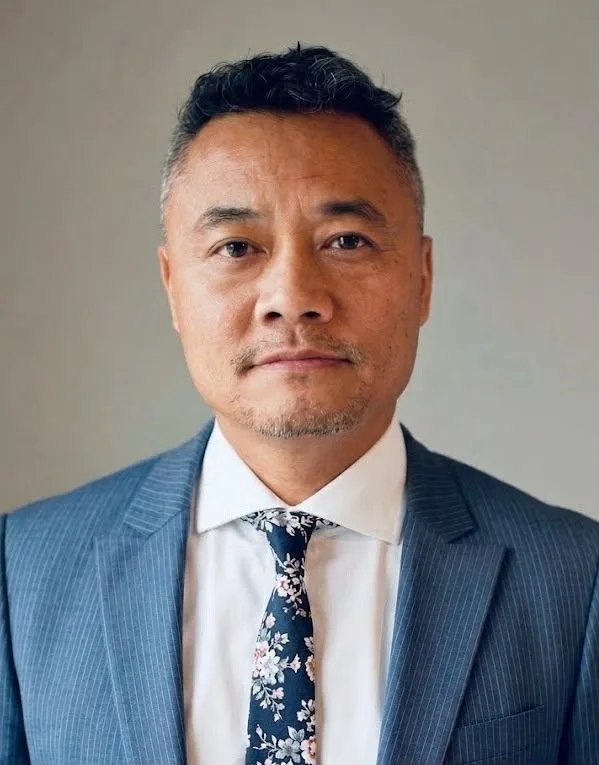
“Simon and Fred are bringing complementary technical and capital markets seniority required for our complex business. We are confident their contributions will set the right approach on our strategic priorities,” said Jeff Ruskowsky, president of First Energy Africa Oil.
Akit said financing for African oil and gas has evolved rather than disappeared as traditional lenders reduce exposure to fossil fuels.
“It depends on the bank. They don’t all think the same way. Some are still willing to fund fossil fuel projects in Africa, others aren’t,” he said.
He said the larger concern among investors is policy continuity.
“Investors aren’t just betting on the resource in the ground. They’re betting on a promise, and they want to know that promise will hold, even if there is a change in the political leadership,” Akit said.
His comments come as investment sources into Africa diversify. UN Trade and Development (UNCTAD) estimates the continent attracted about $70 billion in foreign direct investment in 2025, the third highest level since 1990, with Gulf and Asian investors playing a growing role in financing energy, infrastructure and strategic industries.
Kozak said countries hoping to replicate Guyana’s rapid emergence as an oil producer should prioritize competitive exploration terms while ensuring long term national benefits.
“More than 25 years ago, small exploration companies went into the Lake Albert basin in Uganda and discovered what is now a multi billion dollar and multi billion barrel oil province,” he said.
“The Guyana lesson is also very clear. The country must not give away their resources. Development of future discoveries should be reasonable for the country with jobs created, industry created, education of the country’s labour force.”
The comments come as upstream investment shows signs of returning to parts of the continent.
In Nigeria, ExxonMobil and its partners said this month they plan to invest $1 billion in the offshore Usan Infill Project, the company’s first drilling campaign in the country since 2016, underscoring renewed interest where fiscal and regulatory conditions improve. There are also plans for a refinery project in Kenya and major oil developments in Namibia, underscoring renewed investor interest despite tighter financing condition