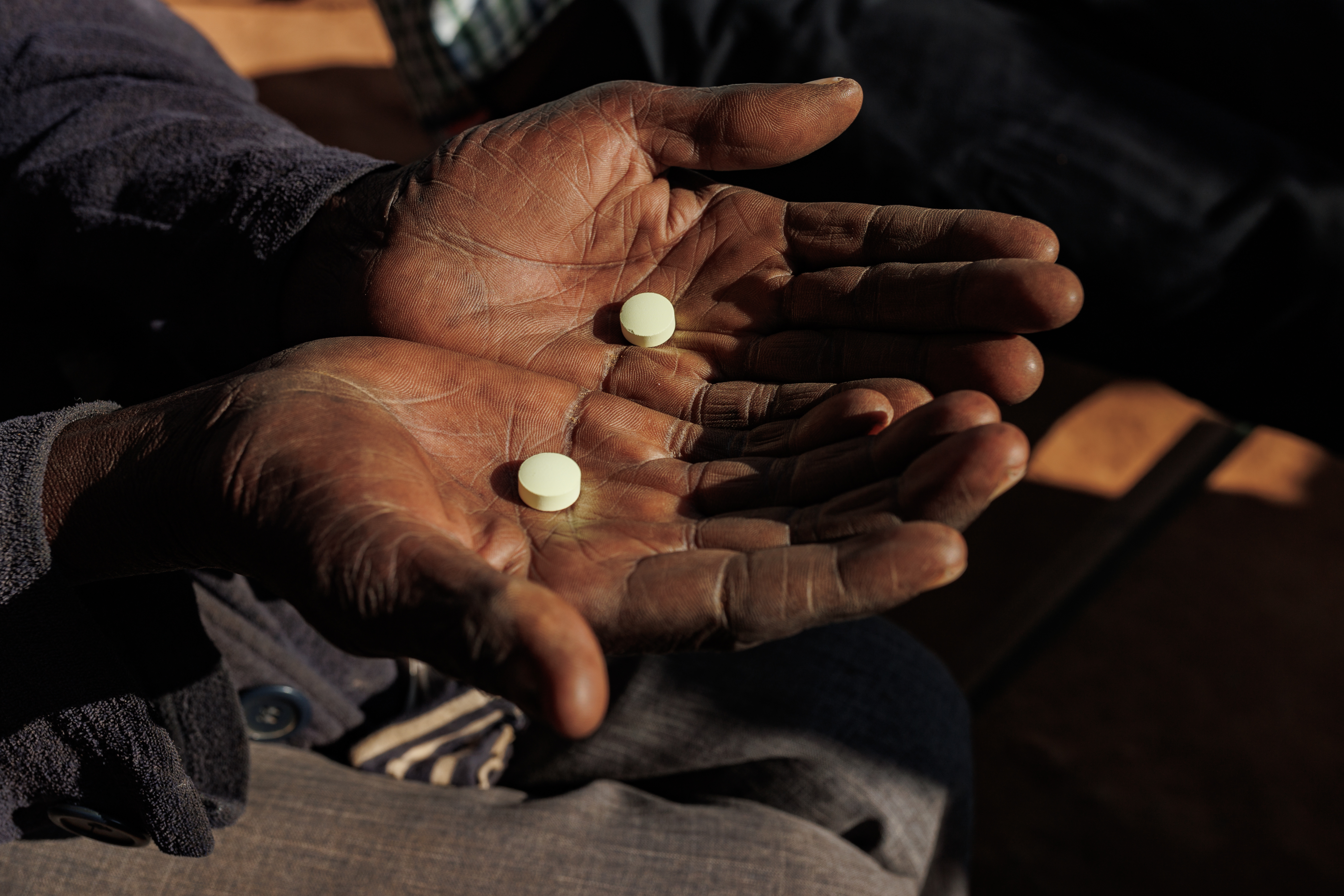
PARIS, Geneva and Nairobi, Dec 15 – Sanofi, Drugs for Neglected Diseases initiative (DNDi), and the HAT-r-ACC consortium are pleased to announce that the European Medicines Agency’s (EMA) Committee for Medicinal Products for Human Use (CHMP) has issued a positive scientific opinion for Fexinidazole Winthrop.
This oral treatment is recommended for the acute form of sleeping sickness (rhodesiense) found in Eastern and Southern Africa, marking a significant milestone in the fight against this deadly parasitic disease.
The CHMP’s positive opinion extends to both adults and children aged six or older, weighing at least 20 kg, and covers both first-stage (haemo-lymphatic) and second-stage (meningo-encephalitic) Trypanosoma brucei (T.b.) rhodesiense sleeping sickness, a rapidly progressing and lethal variant of the disease.
This recommendation follows an application by Sanofi under Article 58, with clinical trials conducted in Malawi and Uganda, led by the non-profit medical research organization Drugs for Neglected Diseases initiative (DNDi). In 2018, the CHMP issued a similar positive opinion for Fexinidazole Winthrop for the more common T.b. gambiense form of sleeping sickness found in West and Central Africa, further emphasizing the importance of this milestone.
Sleeping sickness, also known as human African trypanosomiasis (HAT), is a fatal disease without proper treatment. It is transmitted through the bite of infected tsetse flies and is prevalent in 36 African countries. The disease is characterized by neuropsychiatric symptoms, including aggressiveness, psychosis, and severe sleep disturbances, ultimately leading to death.
Dietmar Berger, MD, PhD, Head of Development and Chief Medical Officer at Sanofi, expressed the company’s commitment to delivering innovative treatments for vulnerable patient communities affected by sleeping sickness. Sanofi has partnered with the World Health Organization (WHO) and DNDi to improve treatment outcomes and simplify treatment delivery. Fexinidazole Winthrop will be donated to WHO by Foundation S, Sanofi’s philanthropic organization.
For the T.b. rhodesiense variant, Fexinidazole Winthrop is recommended as a 10-day, once-daily oral treatment. Recent data from DNDi’s Phase 2/3 clinical trial presented at the European Congress of Tropical Medicine and International Health demonstrated the drug’s high effectiveness in treating T.b. rhodesiense sleeping sickness, offering a safe alternative to existing, older, and more toxic treatments.
Dr. Westain Nyirenda, Principal Investigator and physician at Rumphi Hospital in Malawi, highlighted the urgency of having a simple and safer oral treatment for T.b. rhodesiense sleeping sickness. He emphasized that this breakthrough would allow doctors to rapidly save lives and earn the trust of patients in the new treatment.
While T.b. gambiense primarily infects humans, T.b. rhodesiense is a zoonotic disease, meaning it can spread from animals to humans. Cattle and wild animals like bushbucks and zebras are common reservoirs for this disease. Changes in climate or animal movements, such as those caused by droughts, can increase the risk of T.b. rhodesiense spillover into human populations.
Dr. Olaf Valverde Mordt, Clinical Project Leader for sleeping sickness at DNDi, emphasized the importance of this all-oral treatment, especially in light of the geographical spread of vector-borne diseases like sleeping sickness due to climate change. He noted the role of environmental changes in the resurgence of T.b. rhodesiense sleeping sickness, as seen in Ethiopia.
The CHMP’s opinion will lead to updates in WHO treatment guidelines for sleeping sickness and the distribution of Fexinidazole Winthrop in African countries where T.b. rhodesiense is prevalent.
Dr. Ibrahima Socé Fall, Director of Neglected Tropical Diseases at the World Health Organization, stressed the need for sustained investment in programs addressing neglected tropical diseases, particularly in light of climate change’s impact on disease spread.
Fexinidazole Winthrop has already been registered in the Democratic Republic of the Congo and Uganda as a treatment for T.b. gambiense. It is recommended for use in ten additional African countries.