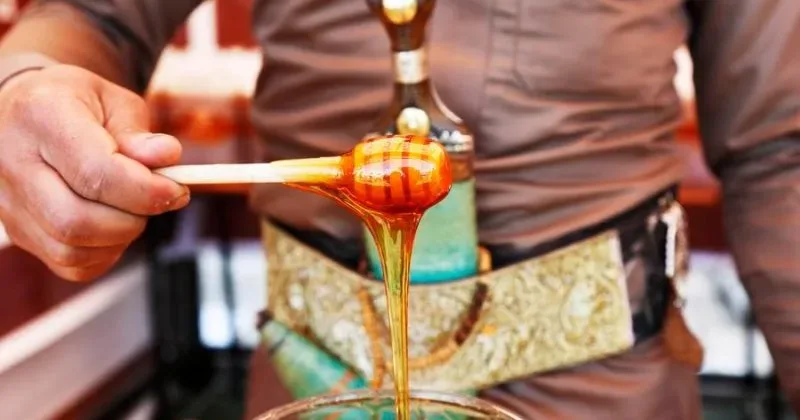
NAIROBI, Kenya, July 22 – Eight in every 10 honey brands sampled in Kenya failed quality tests after they were found to contain additives despite being marketed as “100 percent pure and natural honey,” according to the Competition Authority of Kenya (CAK).
The authority’s latest annual report shows that 40 out of 50 honey brands sampled from manufacturers and importers were non-compliant, with additive levels exceeding the limits allowed under Kenyan standards.
CAK said the products were misleadingly labelled as “100% Pure and Natural Honey,” contrary to KS EAS 36:2020.
“The labelling and sale of adulterated honey were deemed to violate sections 55(a)(i) and 60(1) of the Act, which prohibit the supply of consumer goods that fail to meet prescribed product information standards,” the report states.
Among the firms cited was Bee Care, whose honey samples were found to contain additives. The authority said the case was later closed after the company agreed to comply with product safety and consumer protection requirements.
Another company, Utamu Trade Honey, was flagged after its Utamu Tele Honey brand was marketed as 100 percent pure honey despite failing to meet the required standards.
“As a result, the parties were required to implement corrective measures to ensure that all aspects of product packaging, storage, and handling fully adhere to applicable laws and standards,” the report states.
“The entities further committed to periodic compliance monitoring by the Authority to safeguard consumer welfare.”
The findings are part of CAK’s consumer protection enforcement aimed at curbing misleading product claims and ensuring goods sold in the market meet prescribed quality standards.