BEIJING, China, Sep 23 – When we talk about modern technology, one of the first countries that comes to mind is China.
The country has established itself as a global leader in technology, manufacturing and innovation. But beyond its modern cities, high-speed trains and towering skyscrapers lies another China — one shaped by centuries of history, culture and tradition.
A recent visit to China took me to Beijing, Ningbo and Jiangxi, where one thing stood out: the country’s deep connection to its past.
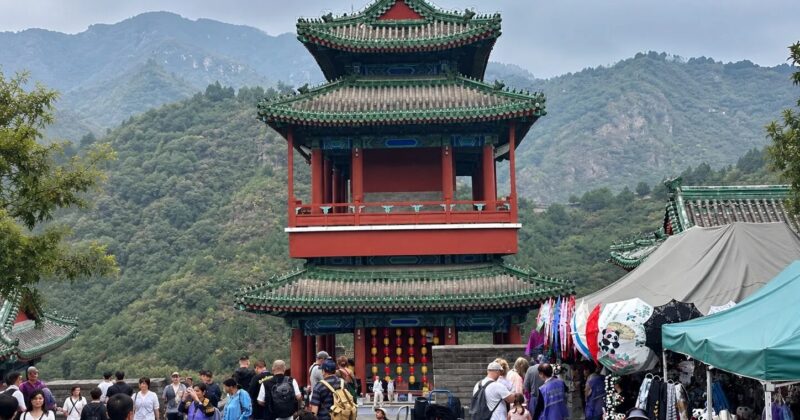
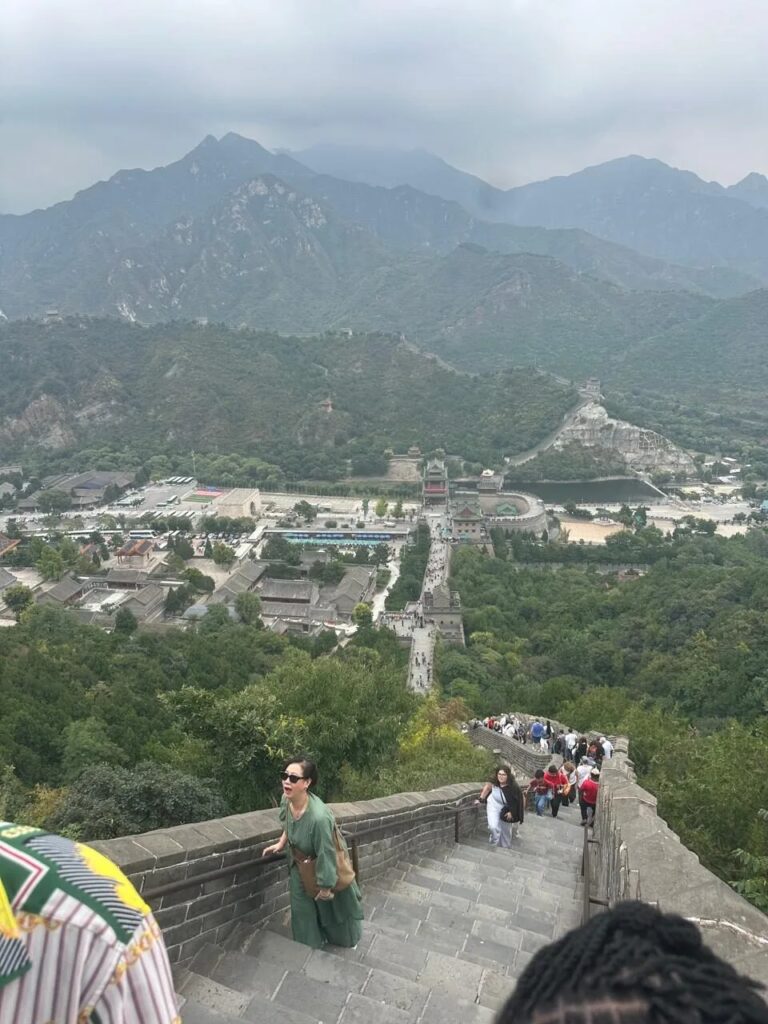
The Great Wall of China is perhaps the most striking example.
Stretching more than 21,000 kilometres across northern China, the wall was built over centuries as a defence against external attacks. Standing before it, one cannot help but wonder how such a massive structure was constructed at a time when modern machinery did not exist.
Yet the Great Wall is only one part of China’s cultural heritage.
Across the country, modern development exists alongside ancient architecture, artefacts and traditions. Traditional designs have been incorporated into modern buildings, while historic sites have been carefully preserved for future generations.
It is one of the reasons China is home to a large number of UNESCO World Heritage sites, attracting millions of visitors who come to experience its history and culture.
The country’s political history is also preserved through cultural sites.
The Communist Party of China (CPC), which has ruled China for more than seven decades, traces part of its history to the Red Boat associated with the First National Congress of the CPC in 1921. A replica of the boat is preserved and displayed as an important historical symbol.
Models of the Red Boat are also sold as souvenirs, allowing visitors to take home a piece of that history.
Museums provide another window into China’s past.
At the Tianyi Pavilion Museum in Ningbo, visitors can see works of art and furniture dating back centuries, including pieces associated with the Qing Dynasty.
Among the exhibits are intricately designed sandalwood pieces and traditional screens, known as “Yi”, which were once important features of Chinese interiors.
The craftsmanship is remarkable. Gold, bronze, ceramics, bamboo and precious woods were among the materials used to create objects that served both practical and artistic purposes.
Religious and cultural symbols are also prominent.
In the hallway of Ningbo University, which hosts students from different countries, stood a sculpture of Buddha Gautama, a religious teacher whose teachings have influenced Asian societies for centuries.
Such sculptures can be found in many parts of China and are often treated with great reverence. Visitors may leave offerings, including coins and fruit, as expressions of respect.
According to Zha Wen of the Tianyi Pavilion Museum, these works of art serve as reminders of China’s heritage and the role history plays in shaping the country’s present and future.
China’s commitment to preserving its history is also evident in the way historical experiences are presented to younger generations.
At Jixiang, visitors can encounter sculptures, artefacts and audiovisual presentations depicting different periods of Chinese history, including the Japanese invasion.
The displays provide visitors with an opportunity to understand what life was like during difficult periods and how those experiences shaped modern China.
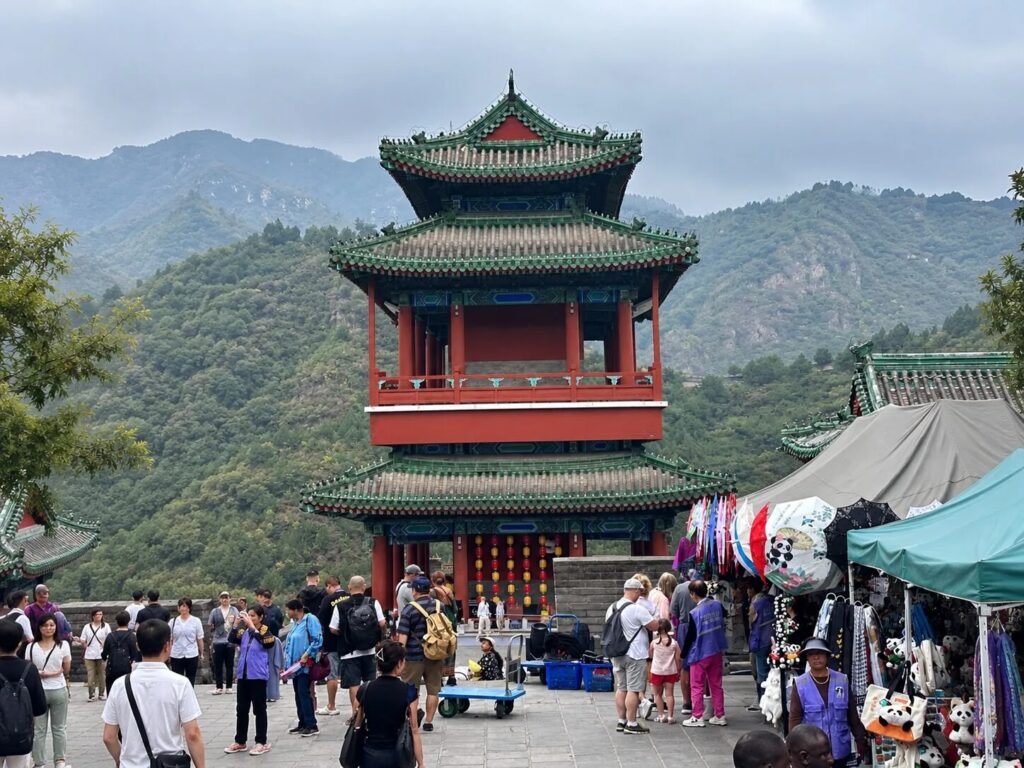
Another striking feature of Chinese architecture is the traditional “flying roof”, characterised by its distinctive upward-curving edges.
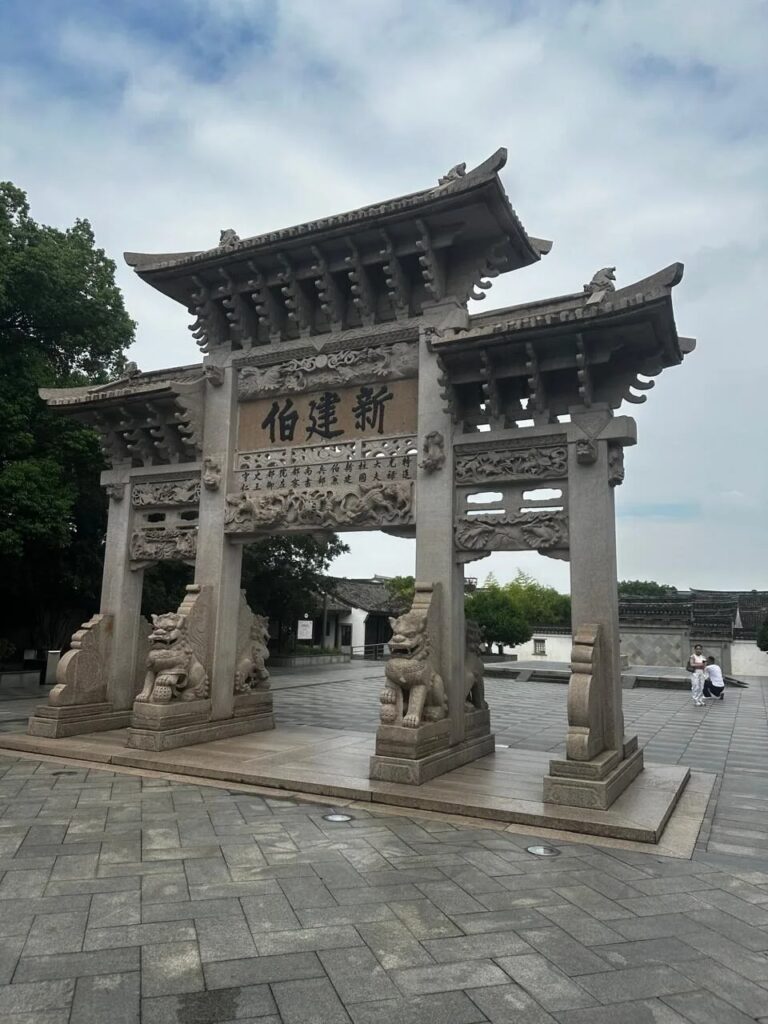
Although rapid population growth and urbanisation have transformed China’s architecture, traditional designs remain visible in many parts of the country.
Modernisation, therefore, has not necessarily meant abandoning the past.
China’s approach to its elderly also reflects the importance attached to history and experience. Older people are often regarded as important sources of knowledge, with their memories and experiences viewed as valuable links to previous generations.
A visit to Tengtou Village in Ningbo offered an example of this community spirit. The village, once largely inhabited by peasants, has undergone significant transformation and is now a modern community.
Residents have also demonstrated a strong commitment to caring for their elderly, including contributing towards their welfare.
China’s development story is therefore not only about technology, infrastructure and economic growth.
It is also about preserving the stories, traditions and values that have accompanied the country through centuries of change.
Every piece of artwork tells a story. Calligraphy, traditional clothing, architecture, sculptures and ancient manuscripts all provide lessons about how Chinese society evolved.
Much of this knowledge is introduced to children through education, helping younger generations understand the history of their country.
It is common to encounter Chinese people who can speak passionately and confidently about their history. That connection does not happen by accident. It is nurtured through families, schools, museums and cultural institutions.
For a visitor, the experience offers an important lesson.
Countries can modernise without losing sight of where they came from.
China today is a global economic and technological power, but its cultural heritage remains an important part of its identity.
As the world changes rapidly, China’s experience is a reminder that development does not necessarily require abandoning tradition. Instead, the past can provide a foundation upon which the future is built.
This brings to mind a popular Swahili saying: “Mwacha mila ni mtumwa.”
Loosely translated, it means: “One who abandons their culture is a slave.”
For China, the preservation of its history appears to be not simply about remembering the past, but about carrying its identity into the future.