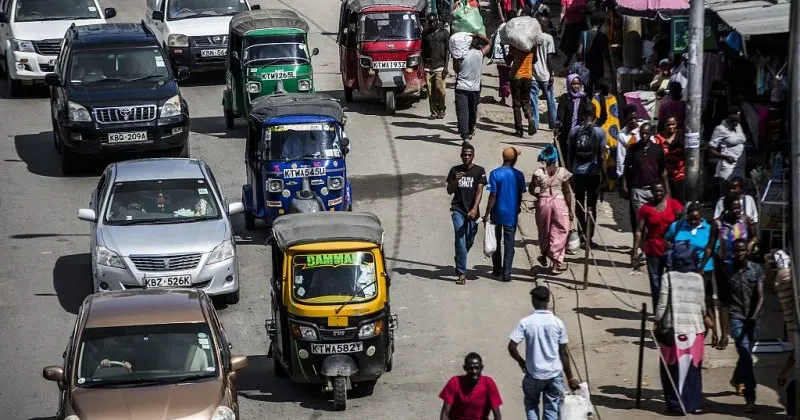
NAIROBI, Kenya, July 21 – Transport organisations have announced the world’s first global conference dedicated to informal and shared mobility, bringing matatus, tuk-tuks, jeepneys and similar transport systems into the spotlight.
The 1st Global Convening on Informal & Shared Mobility (GLOCON) will be held in Bangkok, Thailand, from October 26 to 28, 2026, bringing together researchers, policymakers, transport operators and community representatives to discuss the future of informal transport.
Organisers say the conference aims to encourage governments and cities to formally integrate informal and shared transport into public transport systems while promoting sustainable and inclusive mobility.
The event will also see the launch of the ISM Global Declaration, a framework intended to advance equitable and sustainable informal transport globally.
“The goal of GLOCON is to build a future where cities and rural areas meaningfully invest in and integrate informal and shared mobility as essential parts of their transportation systems,” said Henrik Nolmark, Executive Director of Volvo Research and Educational Foundations.
The programme will feature keynote speeches, panel discussions, plenary sessions and site visits across Bangkok, alongside workshops and networking events organised by partner institutions.
Organisers have also issued a call for academic papers, with submissions due by December 19, and selected research will be presented during the conference and considered for publication in three transport journals.
Informal and shared mobility refers to transport services that operate outside or alongside formal public transport systems and are typically run by private individuals or small operators.
In Kenya, matatus, boda bodas and tuk-tuks remain the primary mode of transport for millions of commuters, particularly in urban areas, making them a critical part of the country’s transport network.