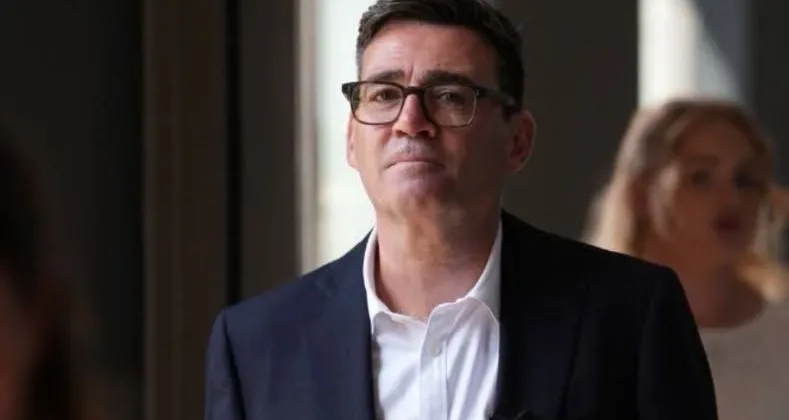
LONDON, Jul 20 – Andy Burnham is set to become the United Kingdom’s new prime minister on Monday, succeeding Keir Starmer after being elected unopposed as leader of the governing Labour Party.
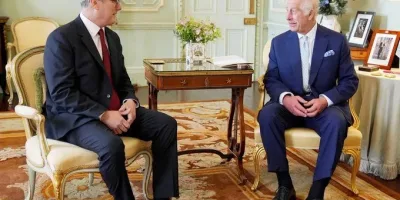
Burnham, the former Mayor of Greater Manchester, will formally assume office after meeting King Charles III, who will invite him to form a government following Starmer’s resignation. The transition marks Britain’s seventh prime minister in a decade, highlighting a prolonged period of political instability.
Starmer is expected to deliver a final address outside 10 Downing Street before travelling to Buckingham Palace to tender his resignation to the King. In his farewell remarks, he is expected to highlight achievements during his tenure, including support for Ukraine, workers’ rights reforms and measures aimed at reducing child poverty.
Burnham, 56, secured overwhelming backing from Labour MPs to become the party’s new leader after Starmer stepped down following mounting political pressure and declining public support.
In his first speech as prime minister, Burnham is expected to unveil a vision to “rewire Britain,” promising to restore political stability, tackle the cost-of-living crisis and reform struggling public services.
He has pledged to devolve more powers to Britain’s regions, arguing that economic opportunity and decision-making should extend beyond Westminster. Burnham has also promised a more transparent style of government and policies aimed at making everyday life more affordable.
Among his first priorities will be appointing a new Cabinet, including a chancellor responsible for steering the UK’s economic agenda. The appointments are expected to signal the direction of the new administration’s fiscal and policy priorities.
Burnham has already indicated he intends to reshape government by scrapping the controversial digital identity programme introduced under Starmer and strengthening central oversight of public spending and government delivery. His administration is also expected to prioritise regional development, social care reform and tighter oversight of key public utilities.
Although the next UK general election is not due until 2029, Burnham has the constitutional authority to call an earlier election if he chooses. His immediate challenge will be uniting the Labour Party while delivering on promises to revive economic growth, improve public services and restore public confidence in government.