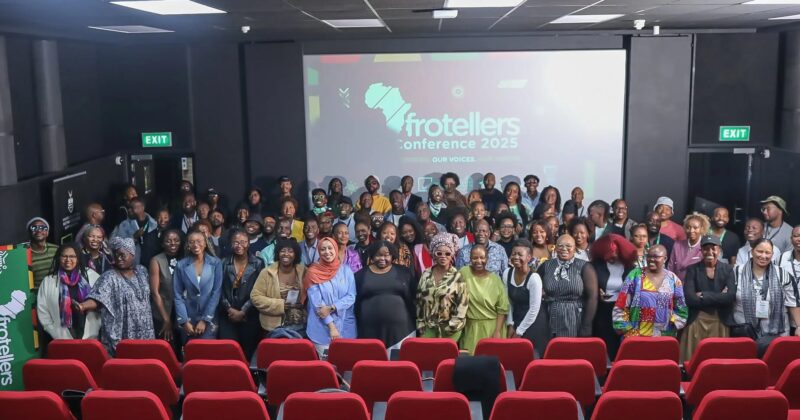
NAIROBI, Kenya,Oct 16 – African creatives will examine how artificial intelligence (AI) and global digital platforms are shifting control over the continent’s stories and the revenue generated from them at a conference in Mombasa later this month.
The four-day Afrotellers Conference, scheduled for October 28 to 31 at PrideInn Paradise Beach Resort, will bring together media professionals, researchers, policymakers and cultural practitioners to discuss ownership of African content, digital distribution and the sustainability of the creative economy.
The discussions will focus on how algorithms determine which stories reach audiences, how AI tools influence content production and whether African creators have sufficient control over the cultural material and intellectual property that underpin their work.
These questions have growing economic implications for filmmakers, journalists, musicians and other cultural practitioners who depend on digital platforms to reach audiences and generate income.
While AI tools can lower production costs and expand access to global markets, the distribution of commercial benefits, ownership of training data and protection of intellectual property remain central concerns for creators.
Afrotellers founder and executive director Willson Chivhanga said the conference would examine these challenges alongside the need to strengthen connections between African creative communities.
“Mombasa gives us an opportunity to place conversations around narrative sovereignty within a living cultural and creative ecosystem. We want participants to engage with the city, its people, its stories and its creative community, while creating opportunities for local practitioners to connect with a wider African network,” Chivhanga said.
The conference will address three areas: AI and algorithmic colonialism, policy and advocacy, and the sustainability of Africa’s cultural and creative economies.
Beyond technology, the discussions will consider the policies and institutions needed to protect African narratives and help creative businesses build sustainable livelihoods.
However, the extent to which the gathering translates into commercial opportunities will depend on whether discussions produce practical partnerships, stronger market access and measures that improve creators’ ability to earn from their work.
Afrotellers co-founder and partnerships and programmes lead Bekithemba Ntini said engagement with local cultural organisations would inform the initiative’s activities in Mombasa.
“For us, local partnership is central to how Afrotellers builds, which is building with the community. Working alongside local cultural organisations, creatives, institutions and knowledge holders allows Afrotellers to listen, learn and create something rooted in the place and its people,” Ntini said.
The event will include the inaugural Afrotellers Festival, which will merge with Pwani Gat Talent, and an Afrotellers Market where creatives and entrepreneurs can showcase their work.
Participants are expected from Kenya, Zimbabwe, South Africa, Malawi, Ghana, Nigeria, the Democratic Republic of Congo, Lesotho, Togo, Madagascar and Mali, among other countries.
Afrotellers is also developing country and local hubs to connect storytellers across Africa, although the financial sustainability of these networks will depend on continued participation and access to funding and markets.