NAIROBI, Kenya, Aug 7 – Kenya’s overhaul of public healthcare financing is emerging as a test of whether government reforms can unlock private investment in hospitals.
The World Bank and the World Health Organization (WHO) say Africa’s healthcare funding gap will require far greater private capital than governments can provide on their own.
The institutions say healthcare spending across sub-Saharan Africa is rising but remains below global benchmarks.
That leaves hospitals facing growing demand without sufficient investment in infrastructure, medical equipment and digital health systems.
Kenya is among the first countries attempting to close that gap through financing reform.
The rollout of the Social Health Authority (SHA) has introduced predictable reimbursement rates and faster claims processing.
That is giving hospitals greater confidence to invest in equipment and technology.
More than 31 million Kenyans have registered under SHA since its launch in October 2024.
The Ministry of Health says 11,034 health facilities have joined the scheme. It has also paid more than Sh147 billion in claims.
Processing times have fallen to 30 days from about three months under the National Hospital Insurance Fund (NHIF).
The shorter payment cycle is changing investment decisions. Hospitals are upgrading diagnostic equipment, imaging technology and laboratory services.
Many are also investing in electronic medical records and digital claims systems to comply with SHA’s reimbursement requirements.
The reforms are creating new opportunities for suppliers of medical devices, healthcare software and diagnostics. Industry players expect procurement activity to accelerate ahead of the next budget cycle.
“Kenya’s transition to the SHA marks a decisive turning point for our national healthcare ecosystem.
Healthcare facilities are under immediate pressure to adapt to new reimbursement structures, expanded benefit packages and digitized claims processing,” said Janki Chauhan, Chairperson of the Medical Technology Industry Association of Kenya (MEDAK).
“The reforms are creating demand for modern medical technologies while giving providers a clearer framework for planning long-term investments that strengthen healthcare delivery.”
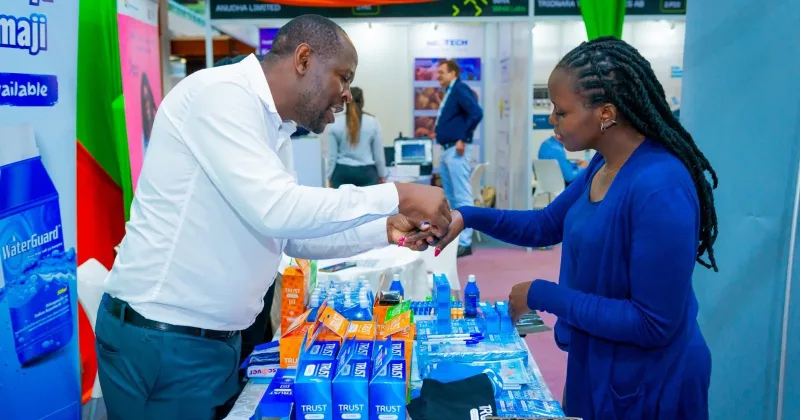
That investment theme is expected to underpin the World Health Expo (WHX) in Nairobi next month.
The event is expected to bring together more than 200 exhibitors from over 30 countries as hospitals prepare procurement plans for the next financial year.