NAIROBI, Kenya, Jul 30 – Cross-border medical education is emerging as a critical pipeline for addressing global healthcare workforce shortages, enabling African doctors to acquire specialist skills abroad while helping fill talent gaps in advanced economies.
The trend comes as countries such as the United Kingdom increasingly rely on internationally trained healthcare professionals to meet growing demand for medical services, even as sub-Saharan Africa continues to grapple with a shortage of health workers.
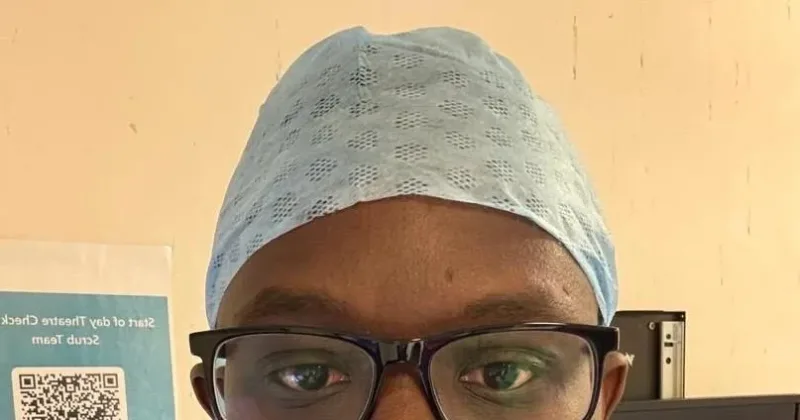
Ugandan doctor Godino Kalungi illustrates the growing mobility of healthcare talent. After beginning his academic journey in the United States, he pursued medical and public health training at St. George’s University (SGU) in Grenada before qualifying to undertake urology surgical training in the UK after passing the Professional and Linguistic Assessments Board (PLAB) examinations.
Kalungi said SGU’s international curriculum and UK clinical rotations provided a pathway into the British healthcare system.
“SGU had the structures in place for me to achieve my dream of training in the UK.”
“SGU gave me the foundation through knowledge, skills, and support to make that possible.”
The World Health Organization estimates that the global health sector faces a shortage of millions of healthcare workers, with sub-Saharan Africa accounting for a significant share despite carrying a high burden of disease.
The shortage has intensified competition for skilled medical professionals, prompting many developed countries to expand international recruitment.
For African graduates, overseas training offers opportunities to access specialist expertise, research and advanced clinical experience, while also creating avenues for knowledge transfer back to their home countries.
Beyond his surgical training, Kalungi supports healthcare access initiatives in Uganda through Tuzimbe, reflecting a growing trend among internationally trained professionals to combine global careers with local health development efforts.
The expanding movement of healthcare professionals across borders underscores the increasing importance of international education and skills transfer in strengthening health systems, while highlighting the challenge for African policymakers of retaining talent as demand for skilled medical workers continues to rise globally.